

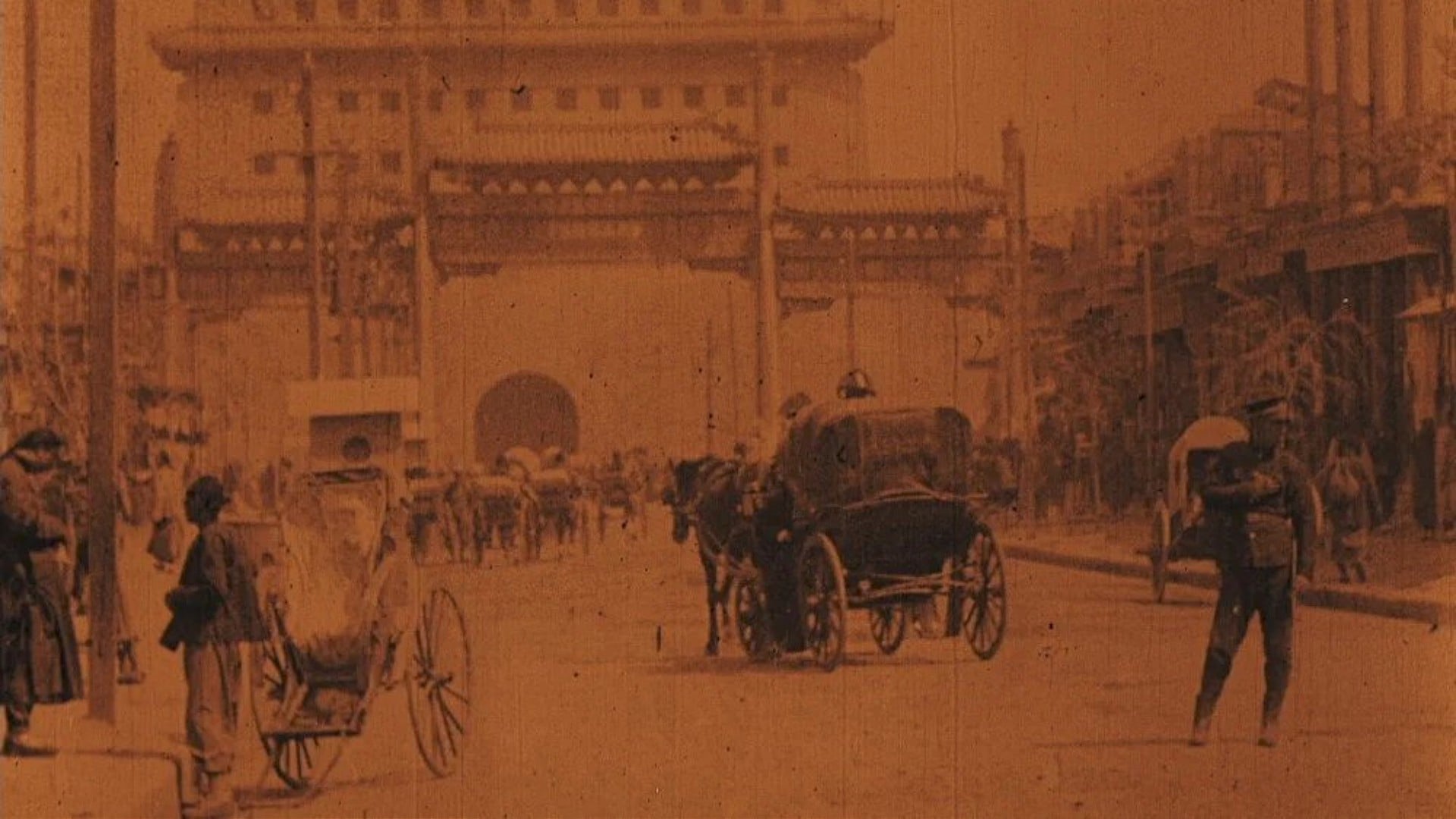

Around China with a Movie Camera
Documentary
Overview
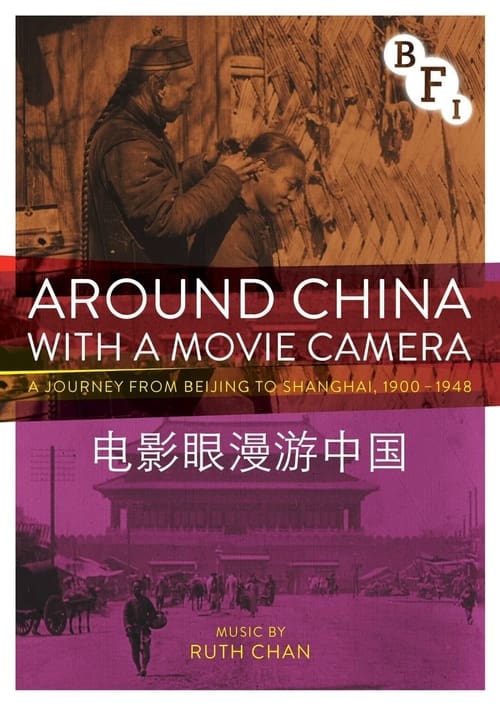
A new film compiled from the BFI National Archive's unparalleled holdings of early films of China, features films from 1900-48 filmed across China. The cinematic journey of Around China with a Movie Camera contains many films which may never have been seen in China, or at the very least not for over 70 years. These travelogues, newsreels and home movies were made by a diverse group of British and French filmmakers, some professionals, but mainly enthusiastic amateurs, including intrepid tourists, colonial-era expatriates and Christian missionaries.
No cast information.
Similar Movies
Filmed inside Pharmacy No. 3 in Shanghai, Joris Ivens and Marceline Loridan-Ivens document the daily work of a state pharmacy that functions as both a dispensary and a neighborhood medical center. The film focuses on routine interactions between staff and patients, revealing an integrated model of urban healthcare in 1970s China.
Swimming, Dancing examines audiovisual representations of the Yangtze (1934–present), from silent film to video art to the contemporary vlog. Inspired by the city symphonies of the 1920s, Swimming, Dancing pieces together a “river symphony”, evoking the images, sounds and contradictions that make up the river’s turbulent history.
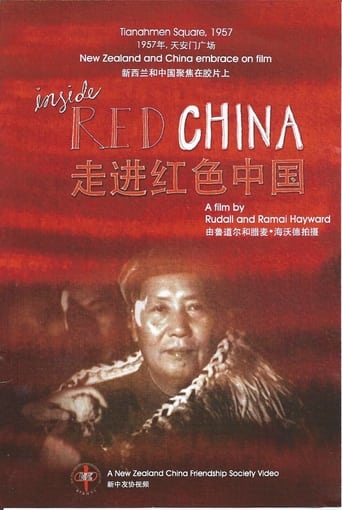
October 1st, 1957. Dusk descends on Tiananmen Square, Peking. Fireworks crackle light across the night sky, above a city alive with National Day festivities and celebrations. Two intrepid New Zealand film-makers - Rudall and Ramai Te Miha Hayward - are there, documenting the life and times of communist China. The distinction of being the first English speaking foreigners to film unfettered in communist China was significant. The invitation to visit China was facilitated through the New Zealand China Friendship Society. They filmed in Canton, Shanghai, Peking (Beijing) and Wuhan. It was a small window of opportunity for Westerners to gaze on a country that was largely a mystery to the outside world since 1949. The unfortunate irony was that two of the documentaries; “Wonders of China”, and “Inside Red China”, were considered to be communist propaganda, and were not distributed outside of New Zealand.
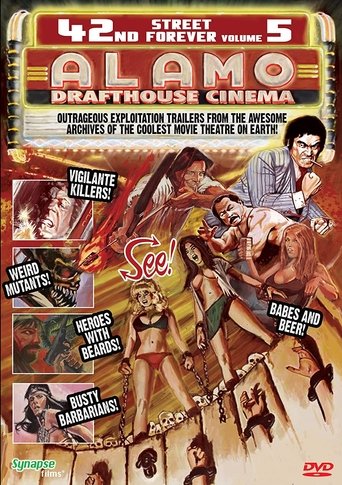
WELCOME TO THE ALAMO DRAFTHOUSE CINEMA, the most awesome post-modern hot spot for exploitation movie revival, deep in the heart of Texas! Home to world-famous events such as The Quentin Tarantino Film Fest, Fantastic Fest and Butt-Numb-A-Thon, the Alamo is one of the last places on earth where you can still see grindhouse classics such as THE DEVIL WITHIN HER and MAD MONKEY KUNG FU. Now, the Alamo has opened their vaults for a peek at some of the most outrageous cinematic gems from several golden ages of sleaze cinema. Digitally re-mastered in high-definition from the actual reels that show every week at the Alamo, this exciting edition of the 42ND STREET FOREVER series is the most bizarre, the most terrifying and the most hilarious one yet!
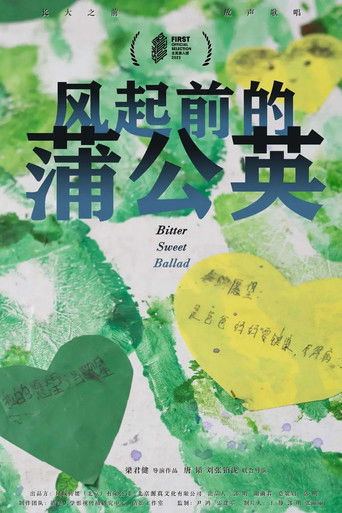
This is a story about youth with music. It all happens at the Dandelion School, Beijing’s first middle school specifically established for the children of migrant workers. Every year when new pupils arrive, Ms. Yuan Xiaoyan, who has worked in the school choir for eight years, would choose a group of music-loving first-years with solid musical foundations to join the choir. A new group of children join the choir while those who have advanced to the second year have to discuss with their families their future choices. For choir members, their music career in middle school will eventually stop due to the pressure of high school entrance examinations and the inevitable parting. But along this journey accompanied by music, they have been savoring the joys and sorrows of their youth, burying them deep in their hearts, and transforming them into growth-promoting nutrients.
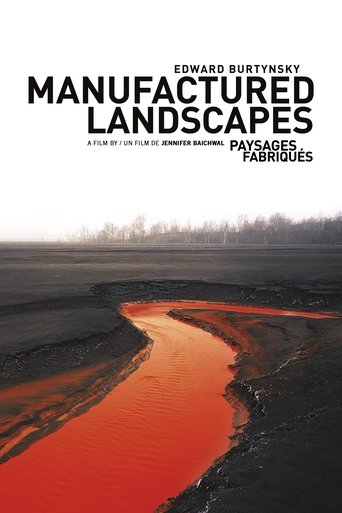
MANUFACTURED LANDSCAPES is the striking new documentary on the world and work of renowned artist Edward Burtynsky. Internationally acclaimed for his large-scale photographs of “manufactured landscapes”—quarries, recycling yards, factories, mines and dams—Burtynsky creates stunningly beautiful art from civilization’s materials and debris.
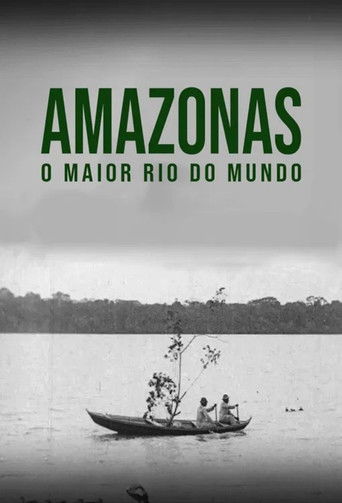
Documentary by Portuguese Silvino Santos, about the Amazon, its flora, fauna, its inhabitants and among other wonderful images from the beginning of the 20th century with alternating close-up shots of caimans, jaguars and tropical flora with footage of Indigenous rituals--including some of the earliest known moving images of the Indigenous Witoto people--and longer sequences showcasing the region’s extractive industries: rubber, the Brazil nut, timber, fishing, even the egret feathers that were a staple of women’s fashion at the time.
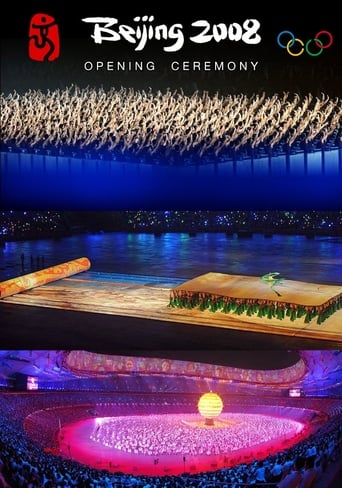
The 2008 Summer Olympics opening ceremony was held at the Beijing National Stadium, also known as the Bird's Nest. It began at 8:00 p.m. China Standard Time (UTC+8) on August 8, 2008, as 8 is considered to be a lucky number in Chinese culture. Featuring more than 15,000 performers, the ceremony lasted over four hours and cost over $100 million USD to produce.