

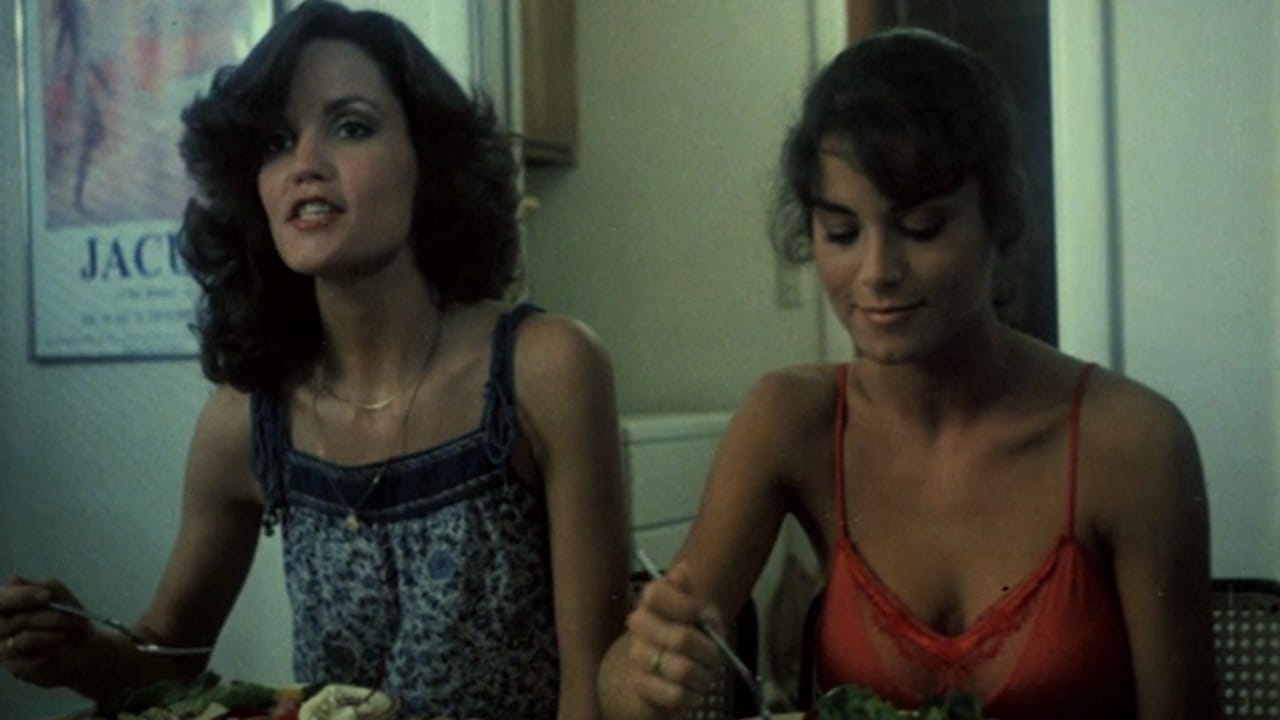

42nd Street Forever, Volume 5: Alamo Drafthouse Cinema
Documentary · Comedy · Science Fiction
Overview
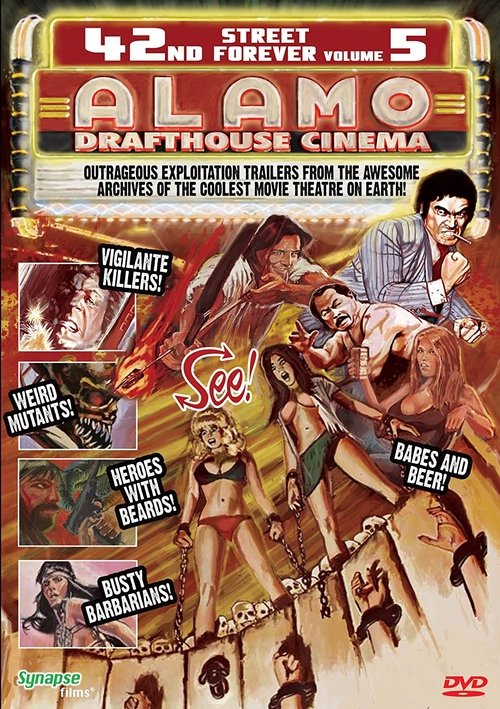
WELCOME TO THE ALAMO DRAFTHOUSE CINEMA, the most awesome post-modern hot spot for exploitation movie revival, deep in the heart of Texas! Home to world-famous events such as The Quentin Tarantino Film Fest, Fantastic Fest and Butt-Numb-A-Thon, the Alamo is one of the last places on earth where you can still see grindhouse classics such as THE DEVIL WITHIN HER and MAD MONKEY KUNG FU. Now, the Alamo has opened their vaults for a peek at some of the most outrageous cinematic gems from several golden ages of sleaze cinema. Digitally re-mastered in high-definition from the actual reels that show every week at the Alamo, this exciting edition of the 42ND STREET FOREVER series is the most bizarre, the most terrifying and the most hilarious one yet!
Top Cast




Matthew Kordelski
Matthew Kordelski
Himself
Matthew Kordelski
Himself
T. Lynn Mikeska
T. Lynn Mikeska
Herself
T. Lynn Mikeska
Herself
Heather Wallis
Heather Wallis
Herself
Heather Wallis
Herself
Similar Movies

A collection of Warner Brothers short cartoon features, "starring" the likes of Daffy Duck, Porky Pig and Wile.E.Coyote. These animations are interspersed by Bugs Bunny reminiscing on past events and providing links between the individual animations which are otherwise unconnected. This 1979 feature-length compilation includes several of his best cartoons. Among the 11 shorts shown in their entirety are the classics "Robin Hood Daffy," "What's Opera, Doc?," "Bully for Bugs," and "Duck Amuck". The Bugs Bunny Road Runner Movie provides a showcase not only for Jones's razor-sharp timing, but for the work of his exceptional crew, which included designer Maurice Noble, writer Mike Maltese, composers Carl Stalling and Milt Franklyn, and voice actor Mel Blanc.
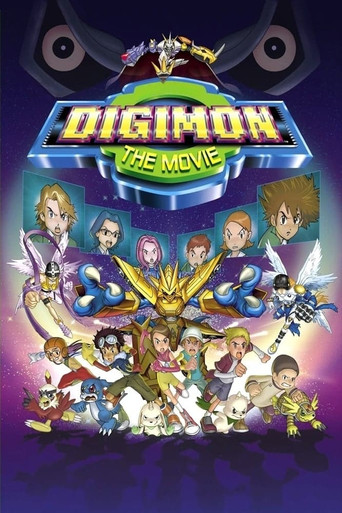
When a powerful new Internet Digimon hatches and begins to consume data at an alarming rate, the Digidestined - kids chosen to save the digital world - must put an end to the destruction before the damage becomes irreversible and worldwide communication halts forever. As computer-based missiles are launched, and a wayward Digimon kidnaps the Digidestined, only the combined efforts of a worldwide network of kids and a new group of "Digidestined" can rescue the others and stop global disaster.
A compilation of thirteen rare silent films digitized by the Library of Congress, selected for the 2022 Domitor conference theme “Copy/Rights and Early Cinema.” Drawn from nitrate and safety film, the program spans comedies, trick films, and dramas exploring censorship, invention, adaptation, and social rights. Titles include: Pruning the Movies (Nestor, 1914); Imperial Japanese Dance (Edison, 1894); Early Edison Camera Tests (Edison, c.1890s); Censorship and its Absurdities (Edison, 1915); In Wrong (Crystal, 1914, dir. Phillips Smalley); Tillie’s Tomato Surprise (Lubin, 1915, dir. Howell Hansell); Indian Land Grab (Champion, 1910); The Stolen Play (Falcon Features, 1917, dir. Harry Harvey); And the Villain Still Pursued Her (Vitagraph, 1906, dir. J. Stuart Blackton); The Doll’s Revenge (Hepworth, 1907, dir. Lewin Fitzhamon); The Disintegrated Convict (Vitagraph, 1907); The Mexican Joan of Arc (Kalem, 1911, dir. Kenean Buel); and Fads and Fashions of 1900 (U.S., 1940s).

Originally a collection of clips from the Neon Genesis Evangelion TV series, Death was created as a precursor to the re-worked ending of the series. Rebirth was intended as that re-worked ending, but after production overruns Rebirth became only the first half of the first part of The End of Evangelion, with some minor differences.
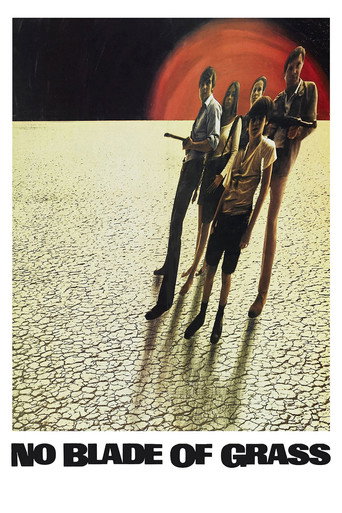
A strange new virus has appeared, which only attacks strains of grasses such as wheat and rice, and the world is descending into famine and chaos. Architect John, along with his family and friends, is making his way from London to his brother's farm in northern England where there will hopefully be food and safety for all of them.
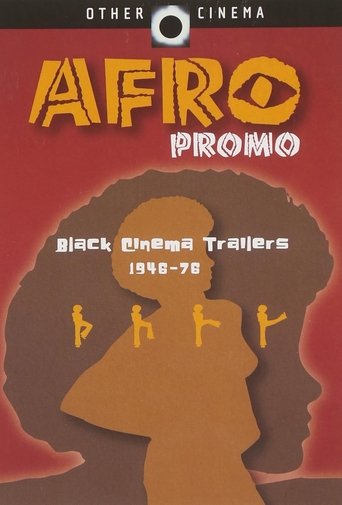
Co-curated by Jenni Olson and the late Black gay activist Karl Knapper, this entertaining showcase of vintage movie trailers traces the evolution of African American cinema through its most crucial period, 1952-1976. Filled with insights on race and social dynamics, this fascinating compendium of coming attractions explores an extensive range of stylistic approaches—Blaxploitation, Comedy, Music Bio, Plantation Drama and more—offering an outrageous joyride through motion picture history. Beyond mere camp, these marvelously condensed gems crystallize a range of African American identities and personalities, tracking the meteoric careers of Sidney Poitier, James Earl Jones, Billy Dee Williams, Richard Pryor, Pam Grier and others through their bold performances in movies both hugely popular and practically forgotten. Afro Promo provides a compact glimpse at the representation of African Americans through twenty-five dynamic years of American cinema history.