

Undercover in Tibet
Documentary
Overview
Undercover in Tibet reveals the regime of terror which dominates daily life and makes freedom of expression an impossibility. Tash meets victims of arbitrary arrests, detention, torture and ‘disappearances’ and uncovers evidence of enforced sterilizations on ethnic Tibetan women. He sees for himself the impact of the enormous military and police presence in the region, the hunger and hardship being endured by many Tibetans and hears warnings of the uprising taking place across the provinces now.
Top Cast




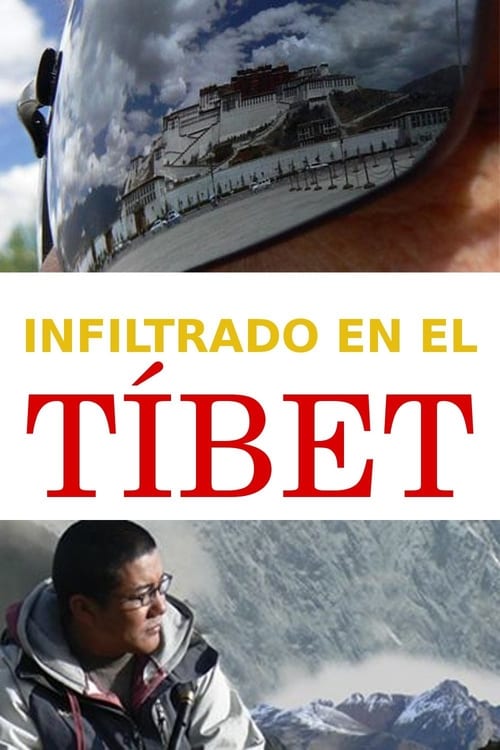
Tash Despa
Tash Despa
Himself
Tash Despa
Himself
Similar Movies

Filmed inside Pharmacy No. 3 in Shanghai, Joris Ivens and Marceline Loridan-Ivens document the daily work of a state pharmacy that functions as both a dispensary and a neighborhood medical center. The film focuses on routine interactions between staff and patients, revealing an integrated model of urban healthcare in 1970s China.
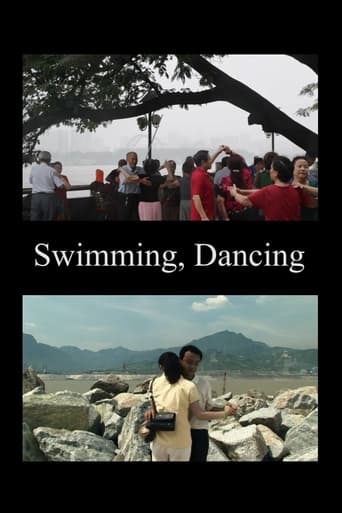
Swimming, Dancing examines audiovisual representations of the Yangtze (1934–present), from silent film to video art to the contemporary vlog. Inspired by the city symphonies of the 1920s, Swimming, Dancing pieces together a “river symphony”, evoking the images, sounds and contradictions that make up the river’s turbulent history.
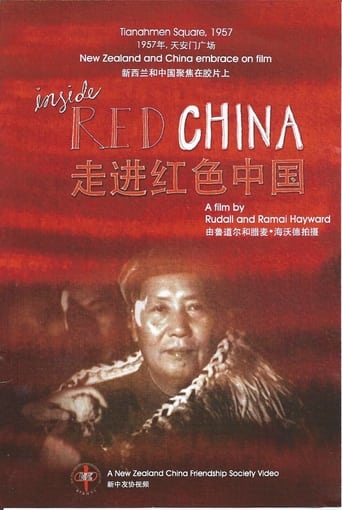
October 1st, 1957. Dusk descends on Tiananmen Square, Peking. Fireworks crackle light across the night sky, above a city alive with National Day festivities and celebrations. Two intrepid New Zealand film-makers - Rudall and Ramai Te Miha Hayward - are there, documenting the life and times of communist China. The distinction of being the first English speaking foreigners to film unfettered in communist China was significant. The invitation to visit China was facilitated through the New Zealand China Friendship Society. They filmed in Canton, Shanghai, Peking (Beijing) and Wuhan. It was a small window of opportunity for Westerners to gaze on a country that was largely a mystery to the outside world since 1949. The unfortunate irony was that two of the documentaries; “Wonders of China”, and “Inside Red China”, were considered to be communist propaganda, and were not distributed outside of New Zealand.
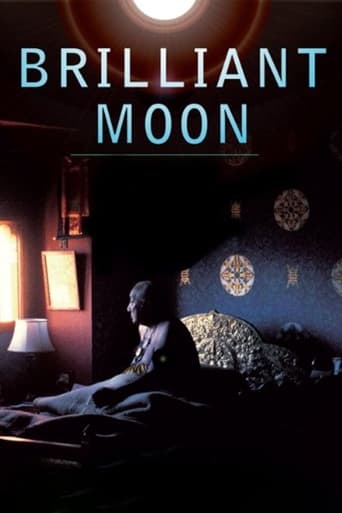
Brilliant Moon chronicles the life of the writer, poet, and meditation master Khyentse Rinpoche, one of Tibet's most revered 20th-century Buddhist teachers. Spiritual guide to His Holiness the Dalai Lama and the Royal Family of Bhutan, his life and teachings were an inspiration to all who encountered him. Richard Gere and Lou Reed provide the narration for his dangerous journey out of China, the subsequent spread of his influence and the search for his reincarnation after his death.
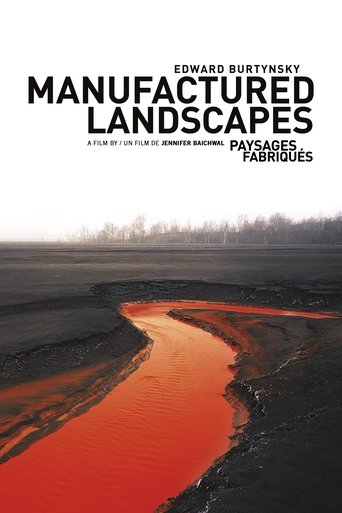
MANUFACTURED LANDSCAPES is the striking new documentary on the world and work of renowned artist Edward Burtynsky. Internationally acclaimed for his large-scale photographs of “manufactured landscapes”—quarries, recycling yards, factories, mines and dams—Burtynsky creates stunningly beautiful art from civilization’s materials and debris.
It's a story about post-90 generation in China and how they chasing their dreams through a talent show. The summer of 2013 saw a group of young boys enter a Chinese TV talent show called Super Boy, hoping to be catapulted to fame. The film documents how the young boys coped with their new challenging lives. While under unthinkable pressure, they proved themselves by trying to make the right choices during live shows. Talent shows create a new type of entertainer, but can they still keep their true selves? Can they adjust themselves and balance the ups and downs? What have the ten years of Chinese talent shows given us? What is urging us to grow up?
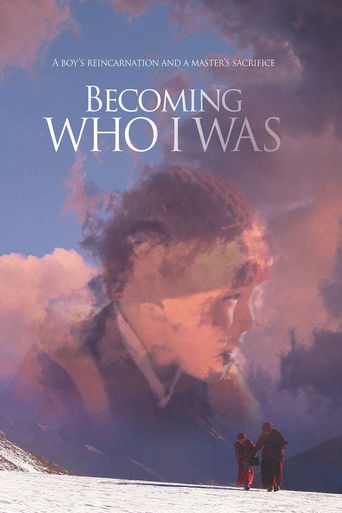
Angdu is no ordinary boy. Indeed, in a past life he was a venerated Buddhist master. His village already treats him like a saint as a result. The village doctor, who has taken the boy under his wing, prepares him to be able to pass on his wisdom. Alas, Tibet, Angdu’s former homeland and the centre of his faith, lies far away from his current home in the highlands of Northern India. On top of that, the conflict between China and Tibet makes the prospect of a trip there even more daunting. Undeterred by these harsh facts, the duo set off for their destination on foot, accompanied by questions of friendship and the nature of life. With its narrative approach steeped in a serene sense of concentration, this documentary film, composed over a period of eight years, stands as a fundamental experience in its own right.
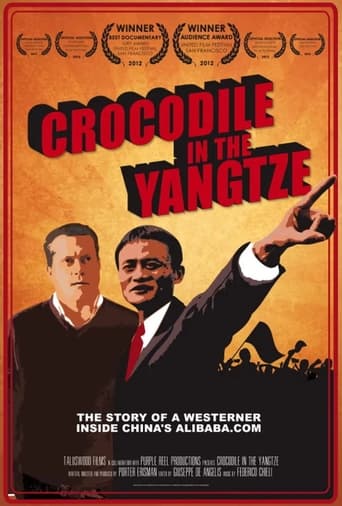
Crocodile in the Yangtze follows China's first Internet entrepreneur and former English teacher, Jack Ma, as he battles US giant eBay on the way to building China's first global Internet company, Alibaba Group. An independent memoir written, directed and produced by an American who worked in Ma's company for eight years, Crocodile in the Yangtze captures the emotional ups and downs of life in a Chinese Internet startup at a time when the Internet brought China face-to-face with the West. Crocodile in the Yangtze draws on 200 hours of archival footage filmed by over 35 sources between 1995 and 2009. The film presents a strikingly candid portrait of Ma and his company, told from the point of view of an “American fly on a Chinese wall” who witnessed the successes and the mistakes Alibaba encountered as it grew from a small apartment into a global company employing 16,000 staff.