

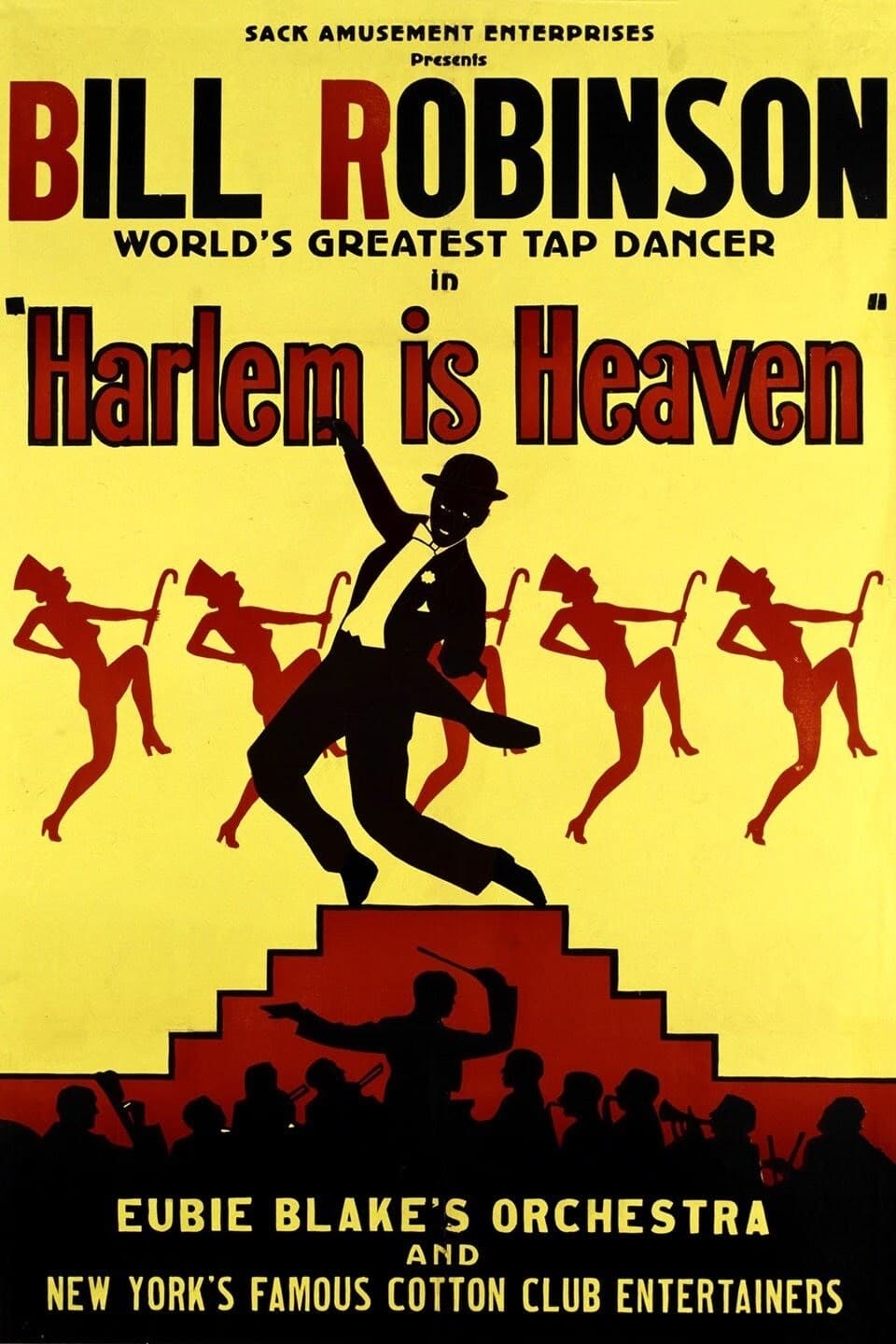
Harlem Is Heaven
Drama · Music
Overview
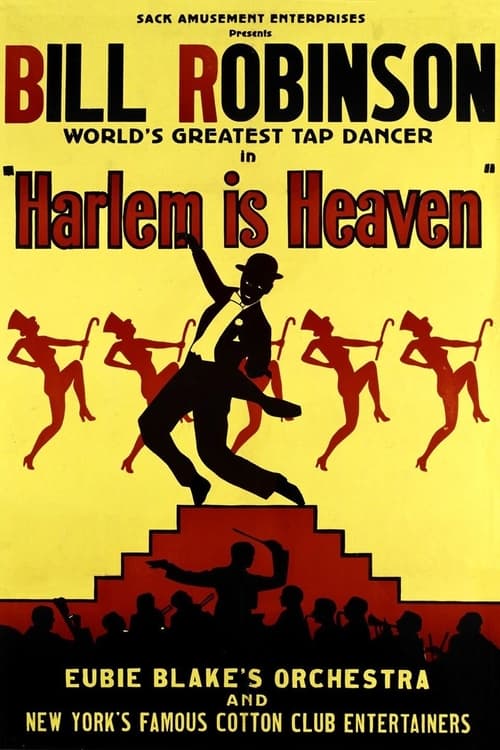
Bill "Bojangles" Robinson made his movie acting debut in this 1932 film, featuring Putney Dandridge, James Baskett (Oscar winner for "Song of the South"), Cotton Club dancer Anita Boyer, Henri Wassell, Alma Smith, Bob Sawyer, and composer/bandleader Eubie Blake and his orchestra.
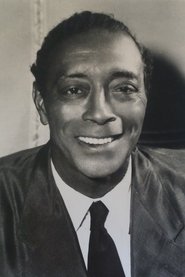





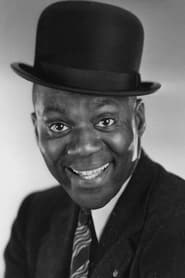
Bill Robinson
Bill Robinson
Bill
Bill Robinson
Bill
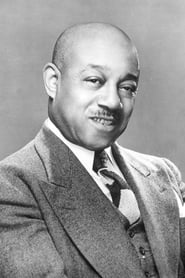
Eubie Blake
Eubie Blake
Eubie Blake
Eubie Blake
Eubie Blake
Putney Dandridge
Putney Dandridge
Stage Manager
Putney Dandridge
Stage Manager
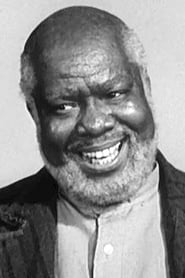
James Baskett
James Baskett
James Baskett
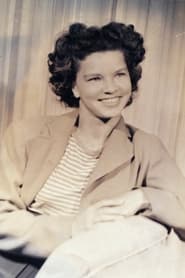
Anise Boyer
Anise Boyer
Anise Boyer
Henri Wessell
Henri Wessell
Henri Wessell
Alma Smith
Alma Smith
Alma Smith
Bob Sawyer
Bob Sawyer
Bob Sawyer
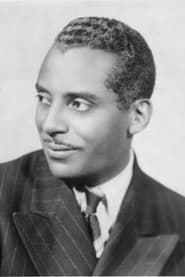
Noble Sissle
Noble Sissle
Noble Sissle
John 'Spider Bruce' Mason
John 'Spider Bruce' Mason
Spider
John 'Spider Bruce' Mason
Spider
Similar Movies
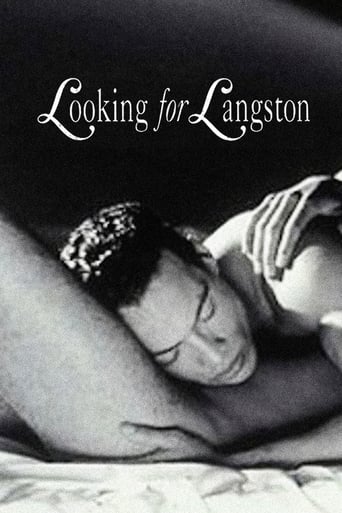
A black and white, fantasy-like recreation of high-society gay men during the Harlem Renaissance, with archival footage and photographs intercut with a story. A wake is going on, with mourners gathered around a coffin. Downstairs is an elegant bar where tuxedoed men dance and talk. One of them has a dream in which he comes upon Beauty, who seems to reject him, although when he awakes, Beauty is sleeping beside him. His story and his visits to the jazz and dance club are framed by voices reading from the poetry and essays of Hughes and others. The text is rarely explicit, but the freedom of gay Black men in the 1920s in Harlem is suggested and celebrated visually.
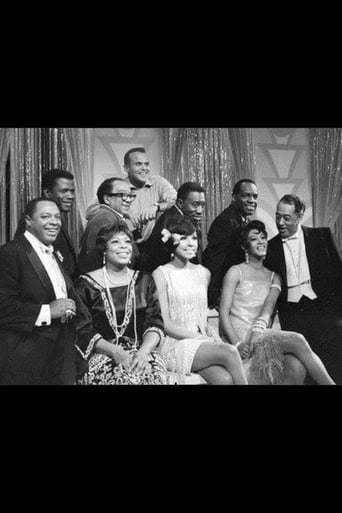
Harry Belafonte and Sidney Poitier travel down memory lane to see what life was like back in the 1920s. Harry Belafonte introduces this musical, written by poet and playwright Langston Hughes, which pays tribute to Harlem in the 1920's. Sidney Poitier provides commentary on the era throughout the program, and George Kirby and Nipsey Russell portray various Harlem characters. Program highlights include: Gloria Lynne singing "Good Ol' Wagon"; Brownie McGhee singing "Let the Deal Go Down"; Diahann Carroll singing "Nobody Knows You When You're Down and Out"; Sammy Davis, Jr., singing and tap dancing to "Doin' the New Low Down"; Joe Williams singing "Nobody Knows the Way I Feel This Morning"; and Duke Ellington performing "Sophisticated Lady" with a sextet.
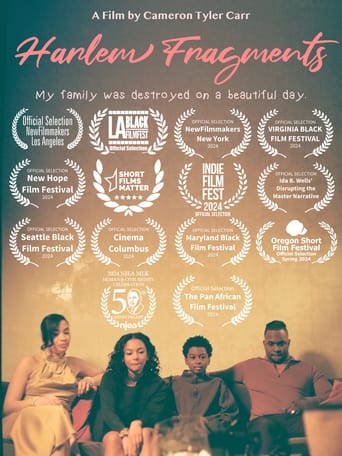
Harlem Fragments is an Afro-futurist scrapbook storytelling of a Harlem Black family's beautiful destruction during the 2008 recession. A natural disaster so mesmerizing you can't look away from the tragedy. Based on true events- The film explores the haunting societal pressures of achieving the Black American dream, told in the POV of 10 year old TJ revisiting his family's home that's up for sale. By empowering this Black boy in this film with the agency to imagine, TJ, through his own journey, finds a way to process and come to terms with his family's divorce. It's important for every Black child out there enduring the same foreign emotions to know that it's okay to feel them, and affirm that there is a future trajectory forward out of the initial destruction.
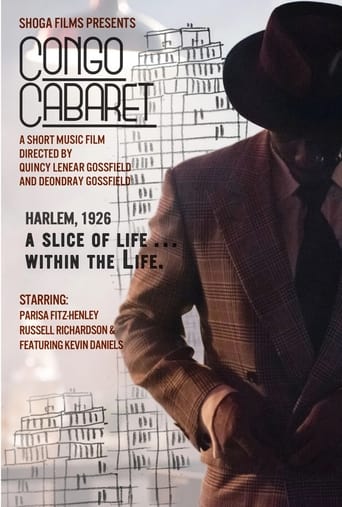
Harlem, 1926. A “sweetman” Zeddy, living off a woman, brings a country girl he’s trying to impress to a gay-owned cabaret. There he meets a friend, Jake, whose girlfriend, Congo Rose, is the singer there. Drama swirls around the characters as Zeddy confronts the cabaret owner, about his sexuality. Congo Rose, seeking to reignite her man’s fading interest, puts on a performance, with her Pansy Dancer, of a Bessie Smith song that seduces the whole room, especially Zeddy.
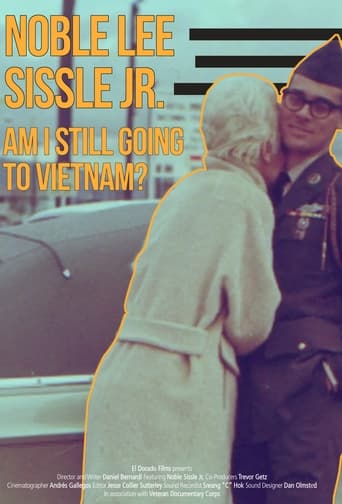
The story of Noble Sissle Jr., a production company owner, community development expert, and veteran of the Vietnam War. Combining archival footage with interviews and family portraits, the film explores Sissle Jr.’s life, and the way he carries on the legacy of his father, Noble Sissle – the famous WWI Harlem Hell Fighter and leader of the Harlem Renaissance. Includes original music and footage of Noble Sissle.
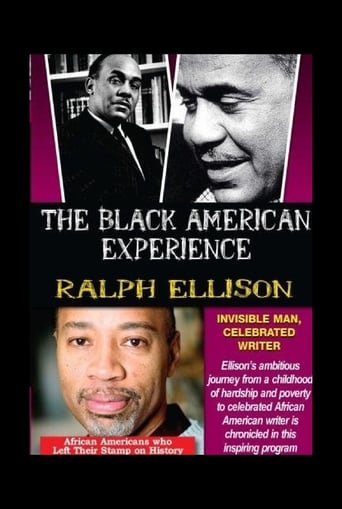
Ralph Ellison was an African-American writer and essayist, who's only novel Invisible Man (1953) gained a wide critical success. Ellison's ambitious journey from a childhood of hardship and poverty to celebrated African American writer is chronicled in this inspiring program through exclusive interviews and personal recollection.
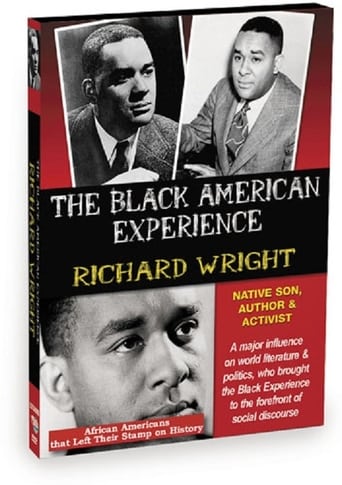
RICHARD WRIGHT was an African-American author of novels, short stories and non-fiction that dealt with powerful themes and controversial topics. Much of his works concerned racial themes that helped redefine discussions of race relations in America in the mid-20th century. Born on a plantation in Mississippi, Wright was a descendent of the first slaves who arrived in Jamestown Massachusetts. This program follows his arduous path from sharecropper to literary giant. Through authors like H.L. Menken, Sinclair Lewis, Theodore Dreiser, he discovered that literature could be used as a catalyst for social change. In 1937 Wright moved to New York and his work began to garner national attention for it's political and social commentary. Much of Wright's writing focused on the African American community and experience; his novel Native Son won him a Guggenheim Fellowship and was adapted to the Broadway stage with Orson Welles directing in 1941.
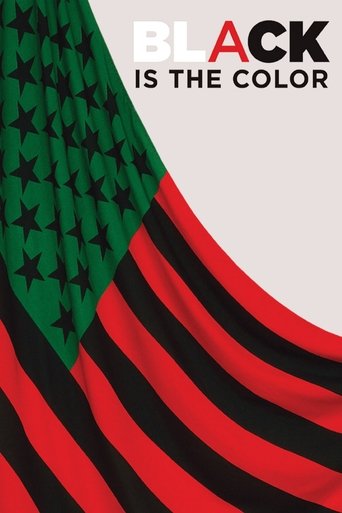
Black Is the Color highlights key moments in the history of Black visual art, from Edmonds Lewis’s 1867 sculpture Forever Free, to the work of contemporary artists such as Whitfield Lovell, Kerry James Marshall, Ellen Gallagher, and Jean-Michel Basquiat. Art historians and gallery owners place the works in context, setting them against the larger social contexts of Jim Crow, WWI, the civil rights movement and the racism of the Reagan era, while contemporary artists discuss individual works by their forerunners and their ongoing influence.