

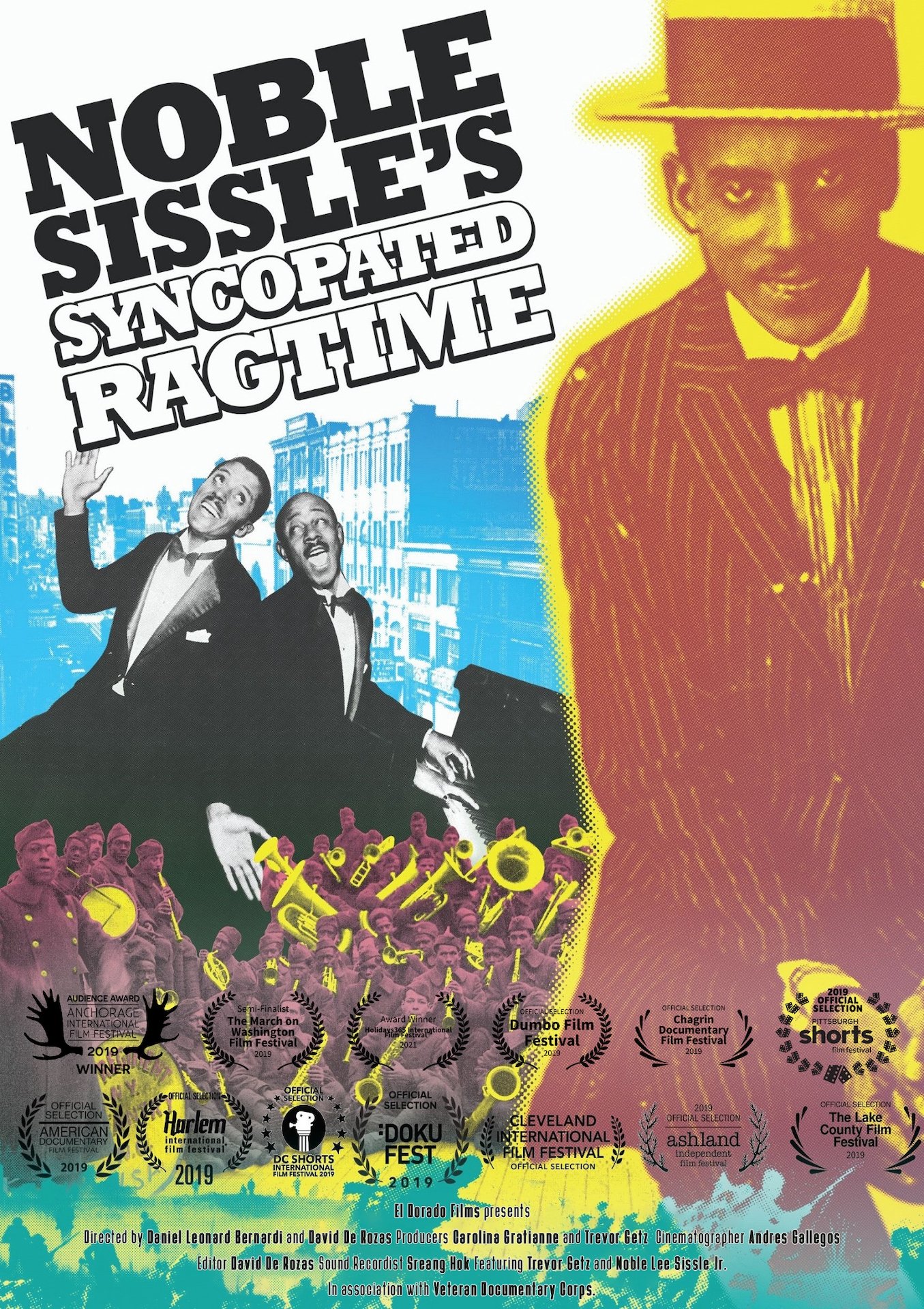
Noble Sissle's Syncopated Ragtime
Documentary · Music
Overview
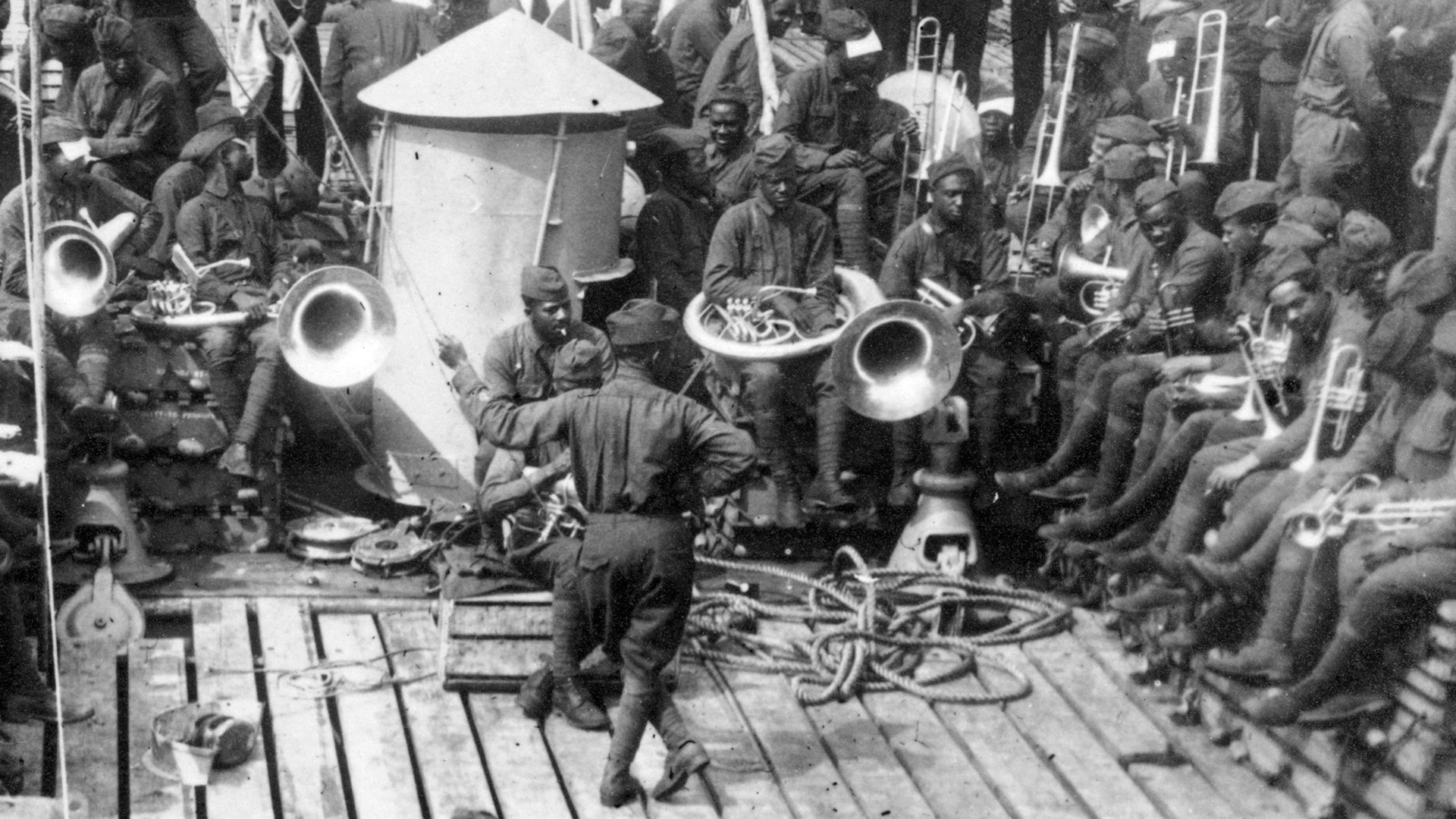
Combining footage unseen since WWI with original scores from the era, this film tells the story of Noble Sissle's incredible journey that spans "The Harlem Hellfighters" of World War I, Broadway Theatre, the Civil Rights movement, and decades of Black cultural development.
Top Cast


Trevor Getz
Trevor Getz
Trevor Getz
Trevor Getz
Trevor Getz
Noble Lee Sissle Jr.
Noble Lee Sissle Jr.
Noble Lee Sissle Jr.
Noble Lee Sissle Jr.
Noble Lee Sissle Jr.
Similar Movies
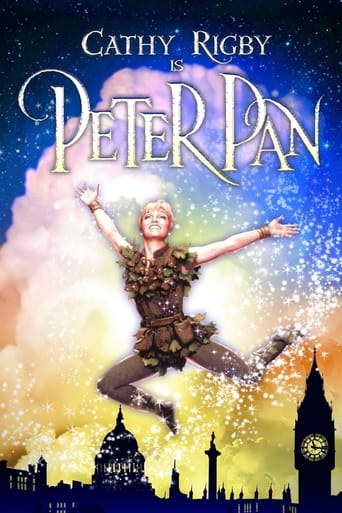
The stage musical Peter Pan starring Cathy Rigby has toured the world to great acclaim. An adaptation of the famous 1954 musical directed by Jerome Robbins and starring Mary Martin, this new version is lasting proof that J.M. Barrie's tale of the boy who would never grow up is one of the kingpins of family entertainment. All the elements are in good form for this video production shot at the Mirada Theater in 2000 for the A&E Network. Some new songs have been added to the fabulous Moose Charlap-Carolyn Leigh score (which includes "Tender Shepherd," "I Gotta Crow," "I'm Flying," and "I Won't Grow Up"). But the biggest asset to this production are the spectacular flying sequences: Peter even soars over the audience at times. Martin was a stronger actress in a close-up, but Rigby is magical with her athleticism and spark, most notably in a percussion-filled song and dance number "Ugh-a-Wug.".
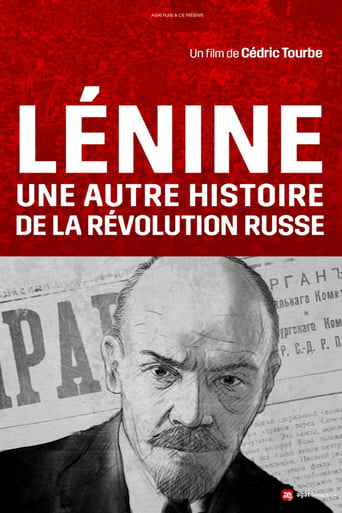
Vladimir Ilyich Ulyanov, better known as Lenin, is remembered as the instigator of the October Revolution of 1917 and, therefore, as one of the men who changed the shape of the world at that time and forever, but perhaps the actual events happened in a way different from that narrated in the history books…
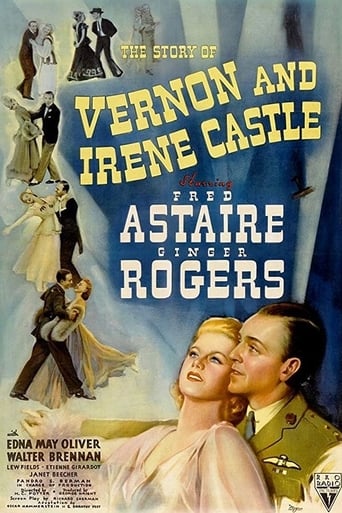
In 1911, minor stage comic, Vernon Castle meets the stage-struck Irene Foote. A few misadventures later, they marry and then abandon comedy to attempt a dancing career together. While they're performing in Paris, an agent sees them rehearse and starts them on their brilliant career as the world's foremost ballroom dancers. However, at the height of their fame, World War I begins.
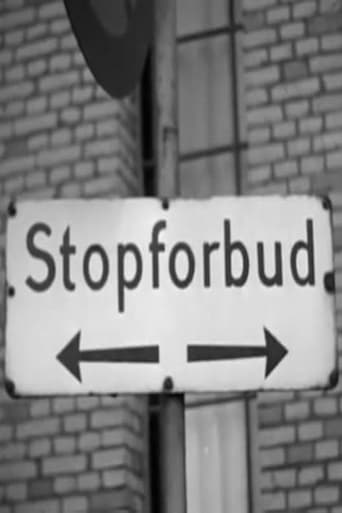
Stop for Bud is Jørgen Leth's first film and the first in his long collaboration with Ole John. […] they wanted to "blow up cinematic conventions and invent cinematic language from scratch". The jazz pianist Bud Powell moves around Copenhagen -- through King's Garden, along the quay at Kalkbrænderihavnen, across a waste dump. […] Bud is alone, accompanied only by his music. […] Image and sound are two different things -- that's Leth's and John's principle. Dexter Gordon, the narrator, tells stories about Powell's famous left hand. In an obituary for Powell, dated 3 August 1966, Leth wrote: "He quite willingly, or better still, unresistingly, mechanically, let himself be directed. The film attempts to depict his strange duality about his surroundings. His touch on the keys was like he was burning his fingers -- that's what it looked like, and that's how it sounded. But outside his playing, and often right in the middle of it, too, he was simply gone, not there."
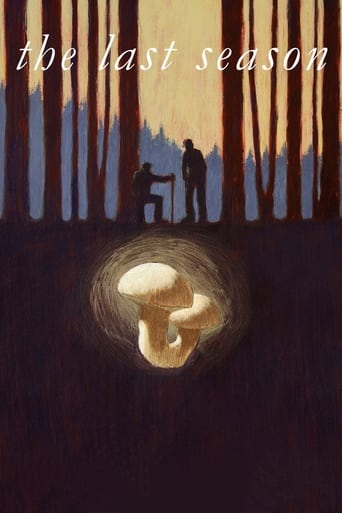
In search of the lucrative matsutake mushroom, two former soldiers discover the means to gradually heal their wounds of war. Roger, a self-described 'fall-down drunk' and sniper in Vietnam, and Kouy, a Cambodian refugee who fought the Khmer Rouge, bonded in the bustling tent-city known as Mushroom Camp, which pops up each autumn in the Oregon woods. Their friendship became an adoptive family; according to a Cambodian custom, if you lose your family like Kouy, you must rebuilt it anew. Now, however, this new family could be lost. Roger's health is declining and trauma flashbacks rack his mind; Kouy gently aids his family before the snow falls and the hunting season ends, signaling his time to leave.
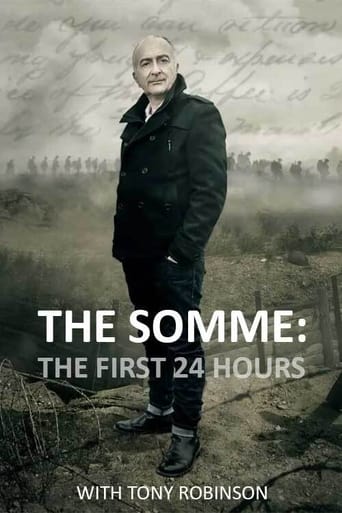
Hosted by actor and historian Sir Tony Robinson, this one-off special tells the powerful and moving story of five men, all members of a unique volunteer army – the Sheffield City battalion – as it recounts the soldiers’ last days, leaving their homes and loved ones to go and serve alongside their friends and neighbours, completely unaware of what lay ahead of them. Central to the programme is the story of Private Frank Meakin, who recorded his unique personal testimony of the war. Frank and his friends could never have anticipated what they would experience, but 100 years on we know in detail, thanks to his diary – an account that shouldn’t have existed, because keeping one was forbidden for servicemen on active duty on the Western Front. Frank’s diary, which was smuggled back from the Front, reveals the intimate details and dramatic stories of one battalion – and one British city – in the words of one man.