

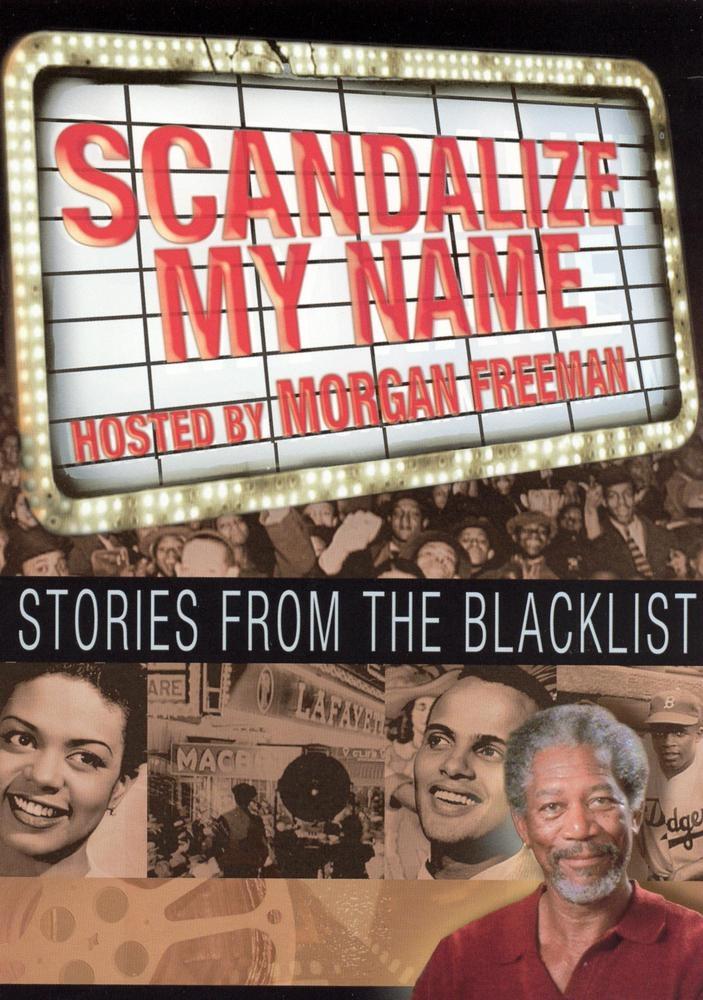
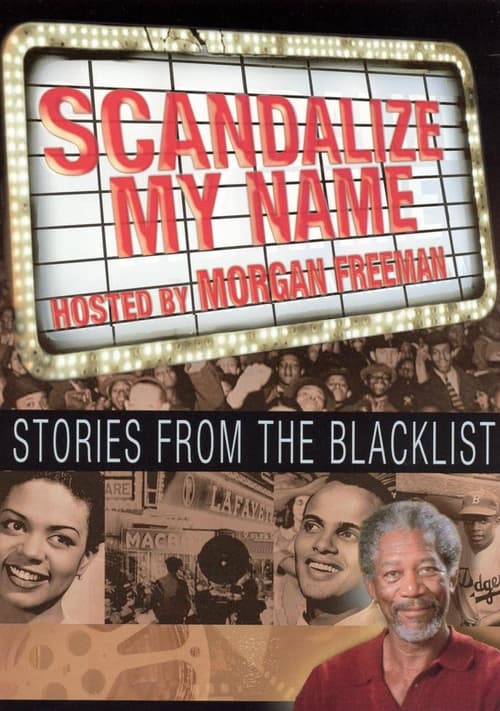
Scandalize My Name: Stories from the Blacklist
Documentary · History
Overview
A look at the confluence of the Red Scare, McCarthyism, and blacklists with the post-war activism by African Americans seeking more and better roles on radio, television, and stage. It begins in Harlem, measures the impact of Paul Robeson and the campaign to bring him down, looks at the role of HUAC, J. Edgar Hoover and of journalists such as Ed Sullivan, and ends with a tribute to Canada Lee. Throughout are interviews with men and women who were there, including Dick Campbell of the Rose McLendon Players and Fredrick O'Neal of the American Negro Theatre. In the 1940s and 1950s, anti-Communism was one more tool to maintain Jim Crow and to keep down African-Americans.
Top Cast
Morgan Freeman
Self

Rosetta LeNoire
Self
Dick Campbell
Self
Frederick O'Neal
Self
Ossie Davis
Self

Paul Robeson
Self (archive footage)
Joseph Wershba
Self
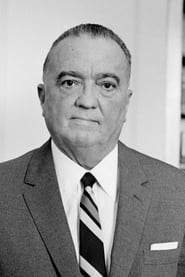
J. Edgar Hoover
Self (archive footage)
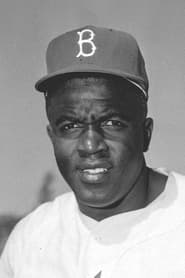
Jackie Robinson
Self (archive footage)
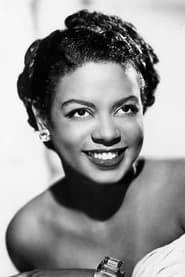
Hazel Scott
Self (archive footage)
Adam Clayton Powell III
Self - son of Hazel Scott

Sidney Poitier
Reverend Msimangu (archive footage)




Morgan Freeman
Morgan Freeman
Self
Morgan Freeman
Self
Rosetta LeNoire
Rosetta LeNoire
Self
Rosetta LeNoire
Self
Dick Campbell
Dick Campbell
Self
Dick Campbell
Self
Frederick O'Neal
Frederick O'Neal
Self
Frederick O'Neal
Self
Ossie Davis
Ossie Davis
Self
Ossie Davis
Self
Paul Robeson
Paul Robeson
Self (archive footage)
Paul Robeson
Self (archive footage)
Joseph Wershba
Joseph Wershba
Self
Joseph Wershba
Self
J. Edgar Hoover
J. Edgar Hoover
Self (archive footage)
J. Edgar Hoover
Self (archive footage)
Jackie Robinson
Jackie Robinson
Self (archive footage)
Jackie Robinson
Self (archive footage)
Hazel Scott
Hazel Scott
Self (archive footage)
Hazel Scott
Self (archive footage)
Similar Movies

Paul Robeson was a celebrated African-American Actor, Athlete, Singer, Writer, and Civil Rights Activist. Robeson's many achievements are chronicled in this program, ranging from playing with the NFL to graduating from Columbia Law School, performing on Broadway and in Hollywood films to founding the American Crusade against Lynching as well as Council on African Affairs. Robeson was one of the most talented performers of his time and a dedicated humanitarian who ultimately sacrificed fame and fortune for what he believed in. His association with Leftist Politics during the era of the Cold War, and frequent denouncing of American political parties led to his eventual blacklisting with other prominent writers and artists during the McCarthy Era. His talents in all areas are remarkable, and his dedication to attaining a peaceful coexistence between all the people of the world is truly admirable.

October 2003, Alma and Lila Levy are excluded from the Lycée Henri Wallon in Aubervilliers solely because they were wearing a headscarf. What follows is a deafening political and media debate, justifying in most cases the exclusion of girls wearing head-scarves to school. February 2004, a law was eventually passed by the National Assembly. "A thinly veiled racism" is about this controversy since the affair of Creil in 1989 (where two schoolgirls were excluded for the same reasons) and attempts to "reveal" that maybe what hides behind is the desire to exclude these girls. This film gives them a voice as well as others - teachers, community activists, feminists, researchers - gathered around the group "A School for You-All" fighting for the repeal of this law they consider sexist and racist ... This movie was censured in Septembre 2004 in France.
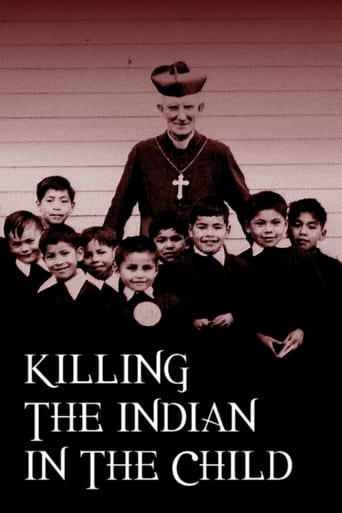
The Indian Act, passed in Canada in 1876, made members of Aboriginal peoples second-class citizens, separated from the white population: nomadic for centuries, they were moved to reservations to control their behavior and resources; and thousands of their youngest members were separated from their families to be Christianized: a cultural genocide that still resonates in Canadian society today.
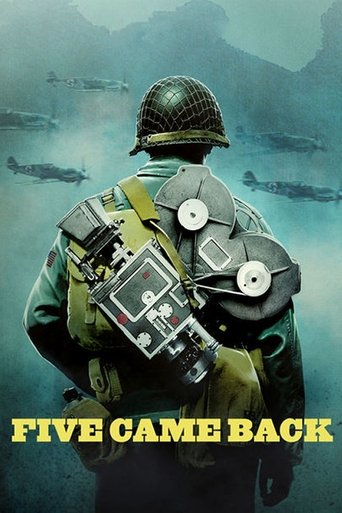
The extraordinary story of how Hollywood changed World War II – and how World War II changed Hollywood, through the interwoven experiences of five legendary filmmakers who went to war to serve their country and bring the truth to the American people: John Ford, William Wyler, John Huston, Frank Capra, and George Stevens. Based on Mark Harris’ best-selling book, “Five Came Back: A Story of Hollywood and the Second World War.”
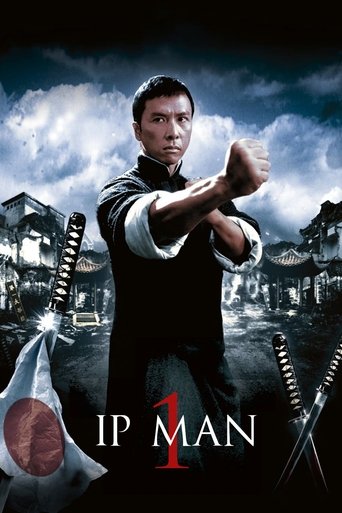
A semi-biographical account of Yip Man, the first martial arts master to teach the Chinese martial art of Wing Chun. The film focuses on events surrounding Ip that took place in the city of Foshan between the 1930s to 1940s during the Second Sino-Japanese War. Directed by Wilson Yip, the film stars Donnie Yen in the lead role, and features fight choreography by Sammo Hung.
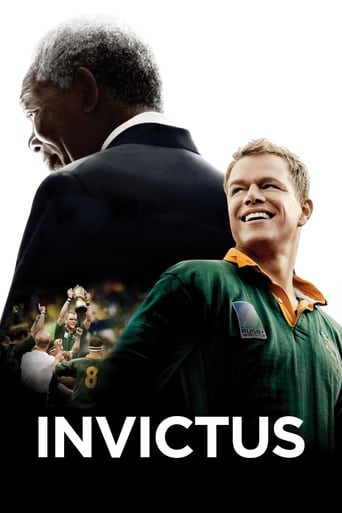
Newly elected President Nelson Mandela knows his nation remains racially and economically divided in the wake of apartheid. Believing he can bring his people together through the universal language of sport, Mandela rallies South Africa's rugby union team as they make their historic run to the 1995 Rugby World Cup Championship match.