

Gates of Silence
Drama · War
Overview
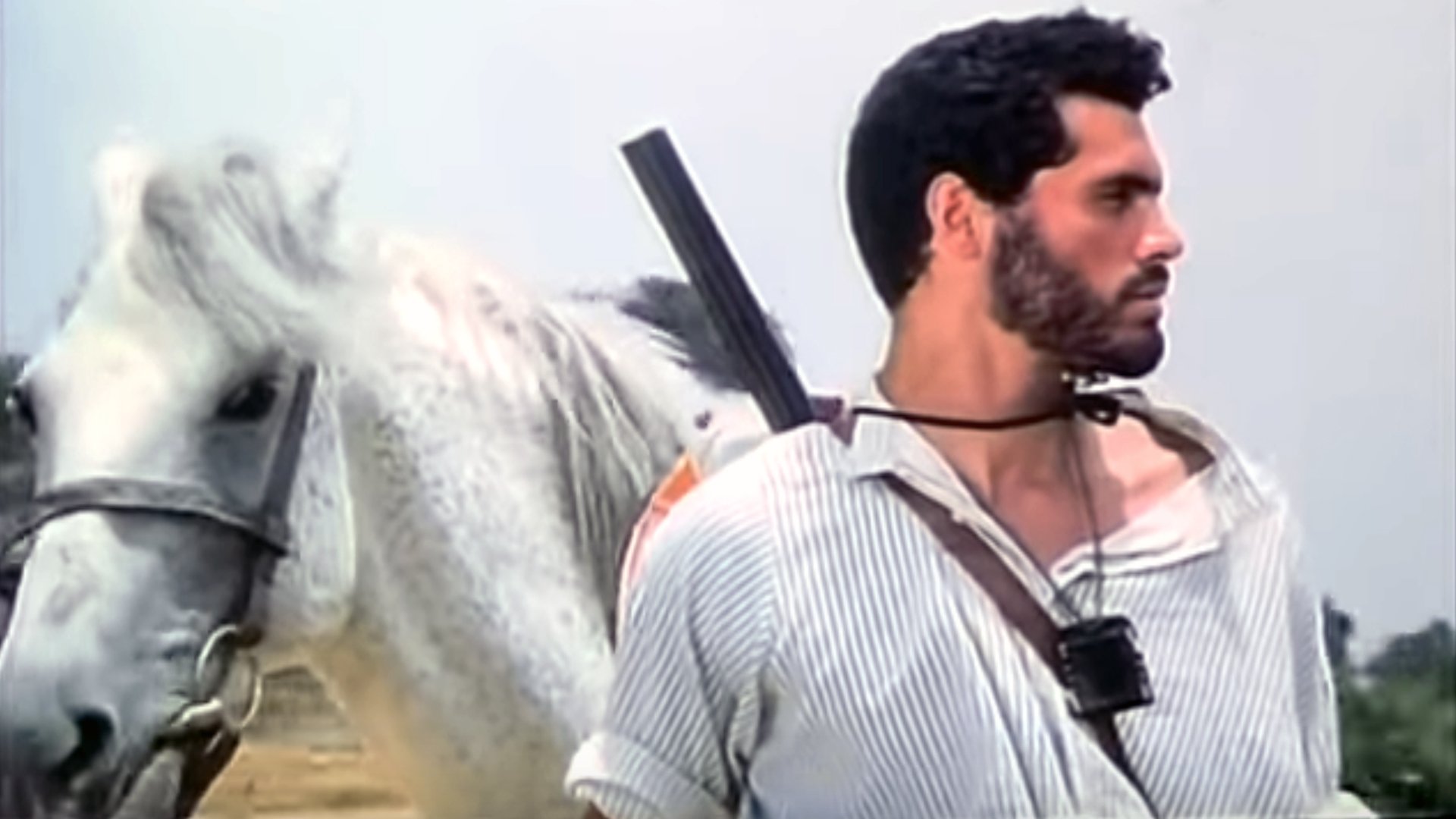
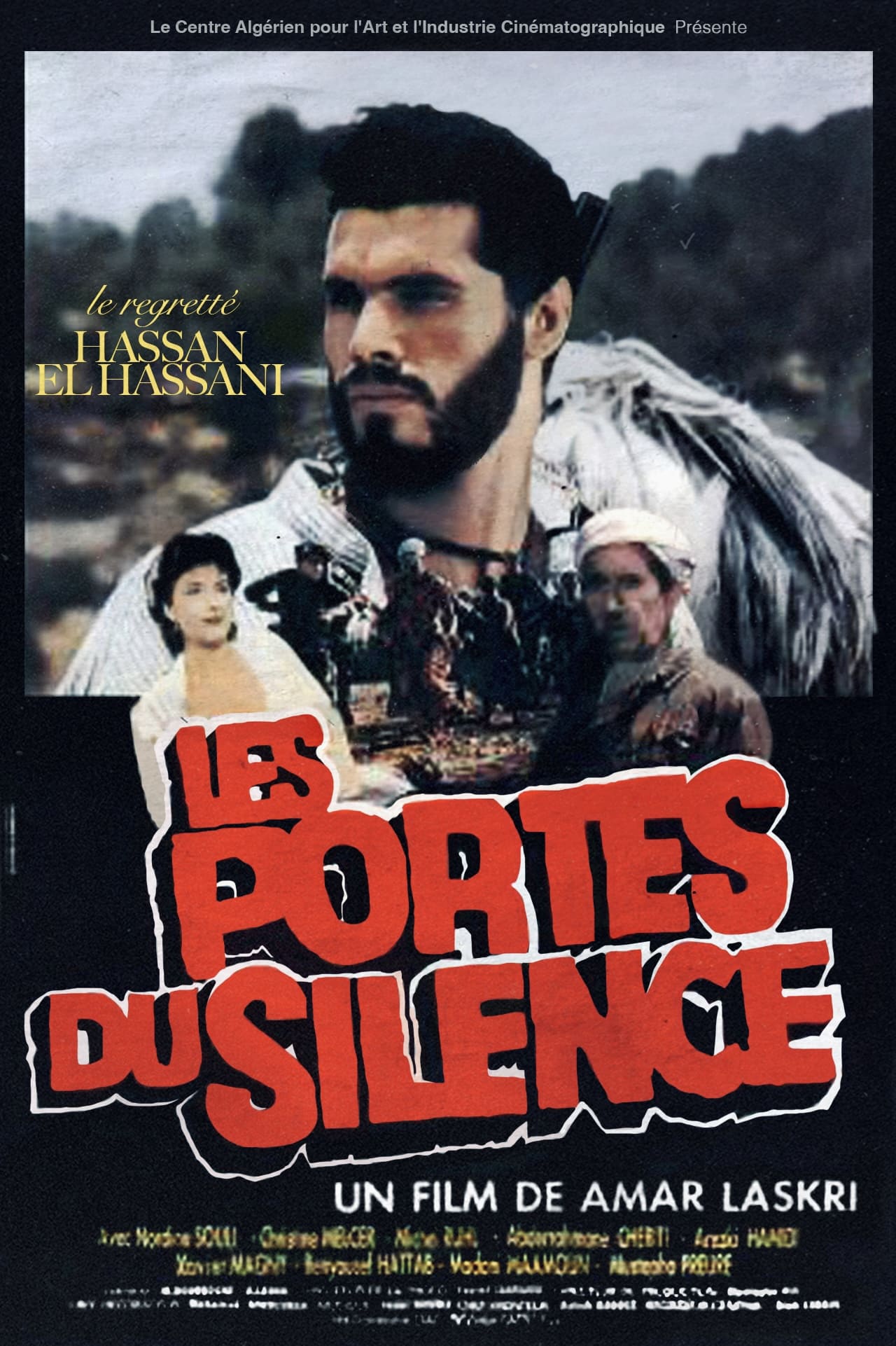
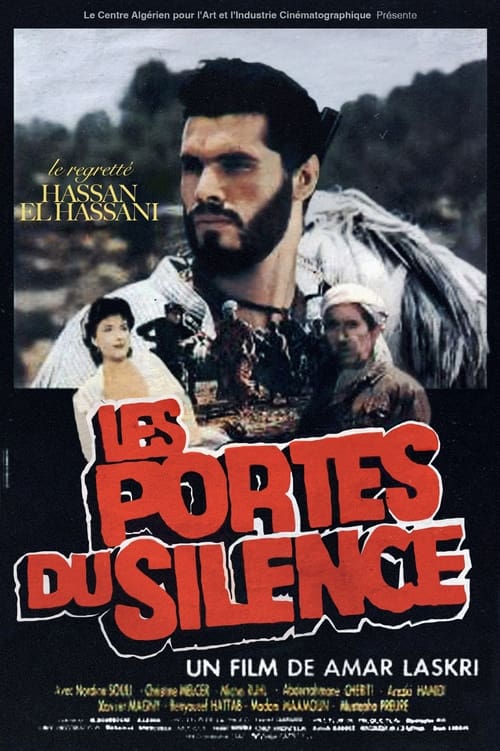
In 1955, what was known as the "Algerian War" gradually escalated into all-out war, and the French army inexorably transformed into a soldiery accustomed to colonial humiliation and massacres. Amar is a young deaf and mute man who wants to join the resistance, but he is rejected because of his disability, despite all the training he received from his father, who was an expert in hunting and horses. The raid on his village, which he watches helplessly, drives him to seek revenge, he who had until then been locked away in "The Gates of Silence."








Noureddine Souli
Noureddine Souli
Amar
Noureddine Souli
Amar
Hassan El-Hassani
Hassan El-Hassani
Hassan El-Hassani
Xavier Magny
Xavier Magny
Xavier Magny
Raymond Boino
Raymond Boino
Raymond Boino
Mohamed Ourdache
Mohamed Ourdache
Mohamed Ourdache
Christine Melcer
Christine Melcer
Christine Melcer
Michel Ruhl
Michel Ruhl
Michel Ruhl
Arezki Hamidi
Arezki Hamidi
Arezki Hamidi
Benyoucef Hattab
Benyoucef Hattab
Benyoucef Hattab

Namoun Madani
Namoun Madani
Namoun Madani
Similar Movies
Set against the vibrant backdrop of contemporary North Africa, this drama follows three women as they navigate the complex interplay between tradition and modernity. Each woman, driven by her own desires for success and meaningful relationships, faces societal pressures and cultural constraints that test their resolve. As their lives unexpectedly intersect, they reveal the shared struggles and resilience needed to overcome the obstacles placed in their path.
Happily married with a daughter, Marc is a successful real estate agent in Aix-en-Provence. One day, he has an appointment with a woman to view a traditional country house. A few hours later, Marc finally puts a name to her face. It's Cathy, the girl he was in love with growing up in Oran, Algeria, in the last days of the French colonial regime. Marc hurries to her hotel. They spend the night together. Then she's gone again. And Marc's mother tells him Cathy never left Algeria. She was killed with her father in a bombing just before independence...
Djamila, a young Algerian woman living with her brother Hadi and her uncle Mustafa in the Casbah district of Algiers under the French occupation of Algeria, sees the full extent of injustice, tyranny and cruelty on his compatriots by French soldiers. Jamila's nationalist spirit will be strengthened when French forces invade her university to arrest her classmate Amina who commits suicide by ingesting poison. Shortly after the prominent Algerian guerrilla leader Youssef takes refuge with her, she realizes that her uncle Mustafa is part of this network of anti-colonial rebel fighters. Her uncle linked her to the National Liberation Front (FLN). A series of events illustrate Jamila's participation in resistance operations against the occupier before she was finally captured and tortured. Finally, despite the efforts of her French lawyer, Jamila is sentenced to death...
A group of Trappist monks reside in the monastery of Tibhirine in Algeria, where they live in harmony with the largely muslim population. When a bloody conflict between Algeria's army and Muslim Jihadi insurgents disrupts the peace, they are forced to consider fleeing the monastery and deserting the villagers they have ministered to. In the face of deadly violence the monks wrestle with their faith and their convictions, eventually deciding to stay and help their neighbours keep the army and the insurgents at bay.
Has everything really been said about the Algerian war? Although the archives are opening up, almost fifty years after the signing of the Evian Agreements (March 18, 1962), direct witnesses are beginning to disappear. They are, however, unique bearers of history, often the only ones able to illustrate the harsh reality of a long-hidden period. Gérard Zwang, surgeon of the contingent between May 1956 and June 1958, is one of these essential witnesses who help us discover an original history of the Algerian War. During his service, in charge of treating the most atrocious wounds of his fellow soldiers, he sees the war from the side of its victims. He did not fight with a machine pistol in his hand, but behind the closed doors of an operating room where life gives way to death in a matter of seconds.