


The Law of My Country
Drama
Overview
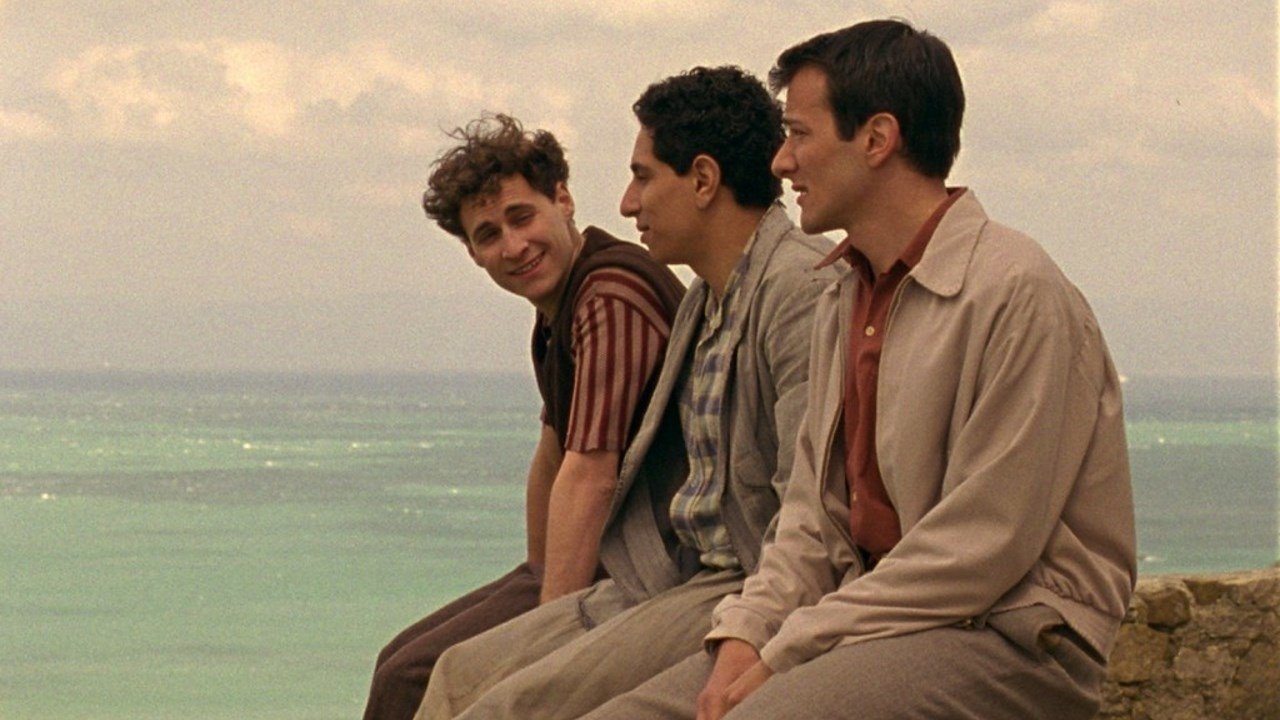
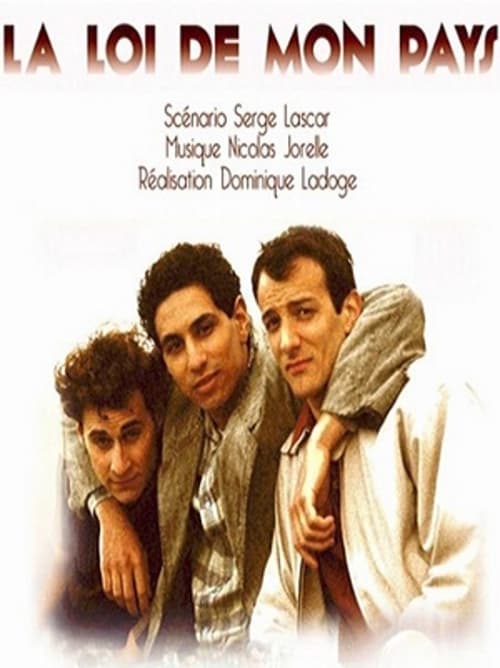
Algeria. Benjamin, Kateb and Antoine are three teenagers from three religious backgrounds who never should have met. But they share the same passion for football and the same disregard for the disapproving looks which their unusual friendship draws.











Alexandre Hamidi
Alexandre Hamidi
Antoine
Alexandre Hamidi
Antoine

Noam Morgensztern
Noam Morgensztern
Benjamin
Noam Morgensztern
Benjamin
Azdine Keloua
Azdine Keloua
Kateb
Azdine Keloua
Kateb

Charlotte de Turckheim
Charlotte de Turckheim
Estelle Seban
Charlotte de Turckheim
Estelle Seban

Marthe Villalonga
Marthe Villalonga
Mémé Sema
Marthe Villalonga
Mémé Sema

Bernard Blancan
Bernard Blancan
Lucien Grammatico
Bernard Blancan
Lucien Grammatico

Gilles Gaston-Dreyfus
Gilles Gaston-Dreyfus
Maurice Seban
Gilles Gaston-Dreyfus
Maurice Seban

Jean-Pierre Becker
Jean-Pierre Becker
Émile Seban
Jean-Pierre Becker
Émile Seban

Isabelle Leprince
Isabelle Leprince
Carmen Grammatico
Isabelle Leprince
Carmen Grammatico

Patrick Fierry
Patrick Fierry
Le gouverneur
Patrick Fierry
Le gouverneur
Similar Movies
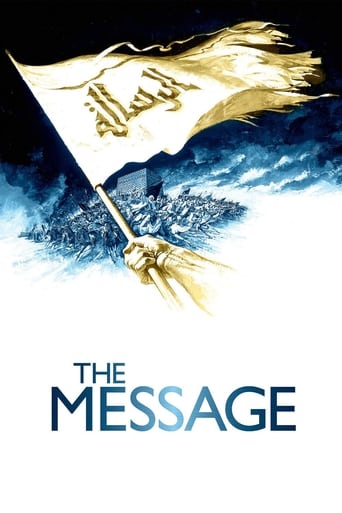
In sixth-century Mecca, Prophet Muhammad receives his first revelation from God as a messenger. Three years later, he's not alone in his quest and publicly declares his prophecy. Muhammad is fought by Abu Sufian and his wife Hind, rulers of Mecca. Muhammad's followers are hunted and tortured but he continues his calling.
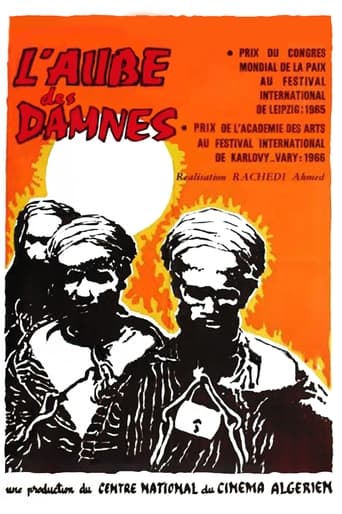
This excellent feature-length documentary - the story of the imperialist colonization of Africa - is a film about death. Its most shocking sequences derive from the captured French film archives in Algeria containing - unbelievably - masses of French-shot documentary footage of their tortures, massacres and executions of Algerians. The real death of children, passers-by, resistance fighters, one after the other, becomes unbearable. Rather than be blatant propaganda, the film convinces entirely by its visual evidence, constituting an object lesson for revolutionary cinema.
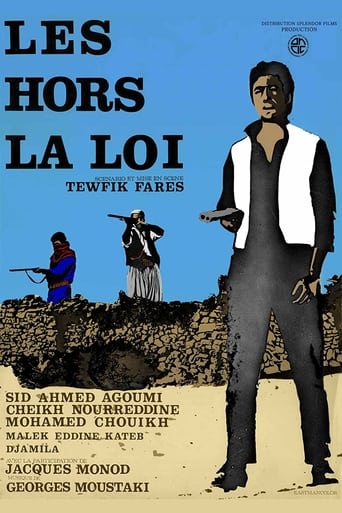
In prison in colonial Algeria, shortly after the end of the Second World War, three indigenous cellmates make out. Once free, they attack the authority represented by the triad of the boss, the gendarme and the administrator. “Living the colonial condition,” confided Tewfik Farès, “is something! It’s not sociologically or historically speaking. It’s life. And I think that’s all there in it. [...] For a hundred and thirty years, we wait. We hold back. We push back. We hope. At the same time, on different occasions, there are skirmishes, unrest.