

Hal
Documentary
Overview
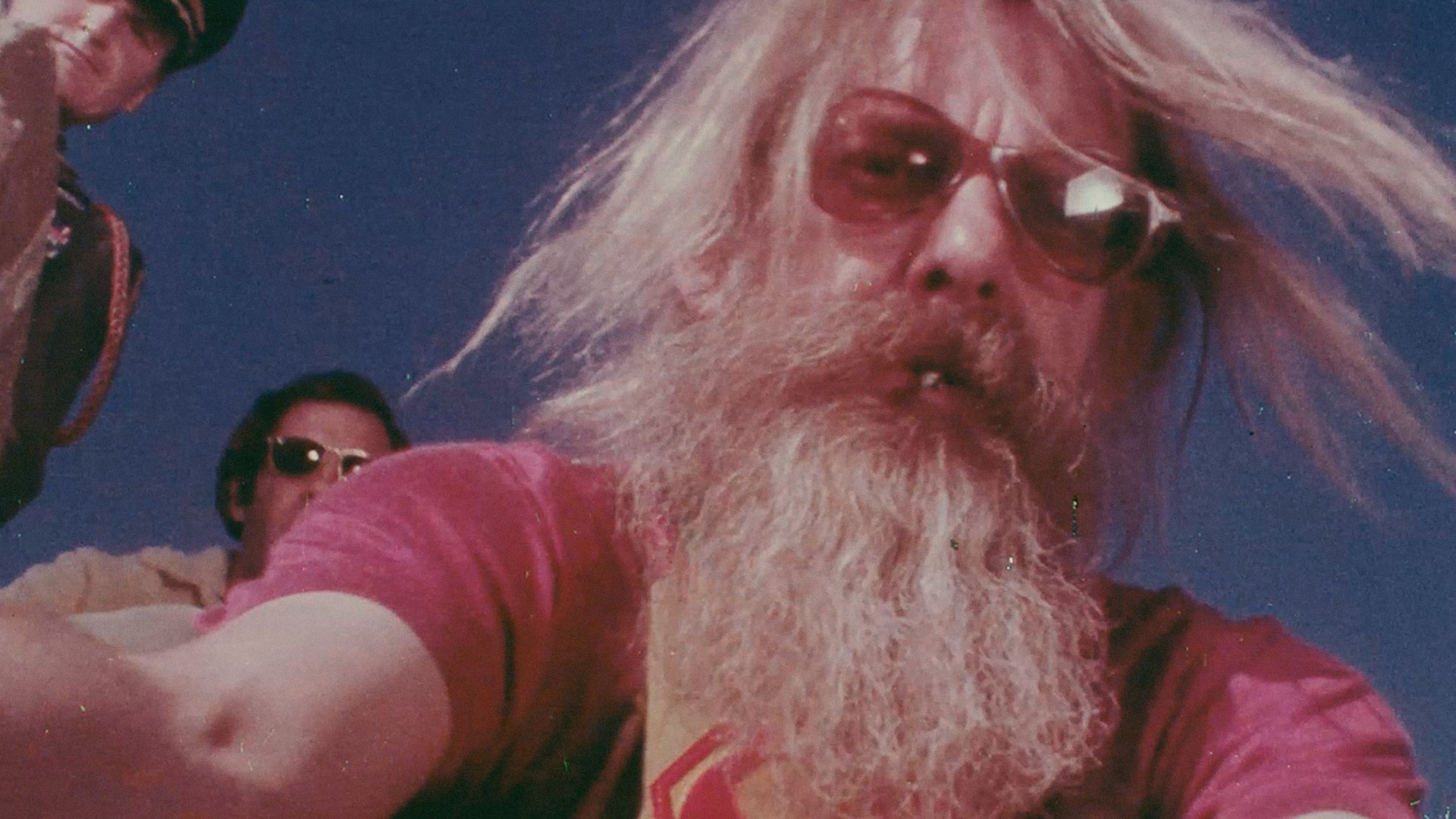
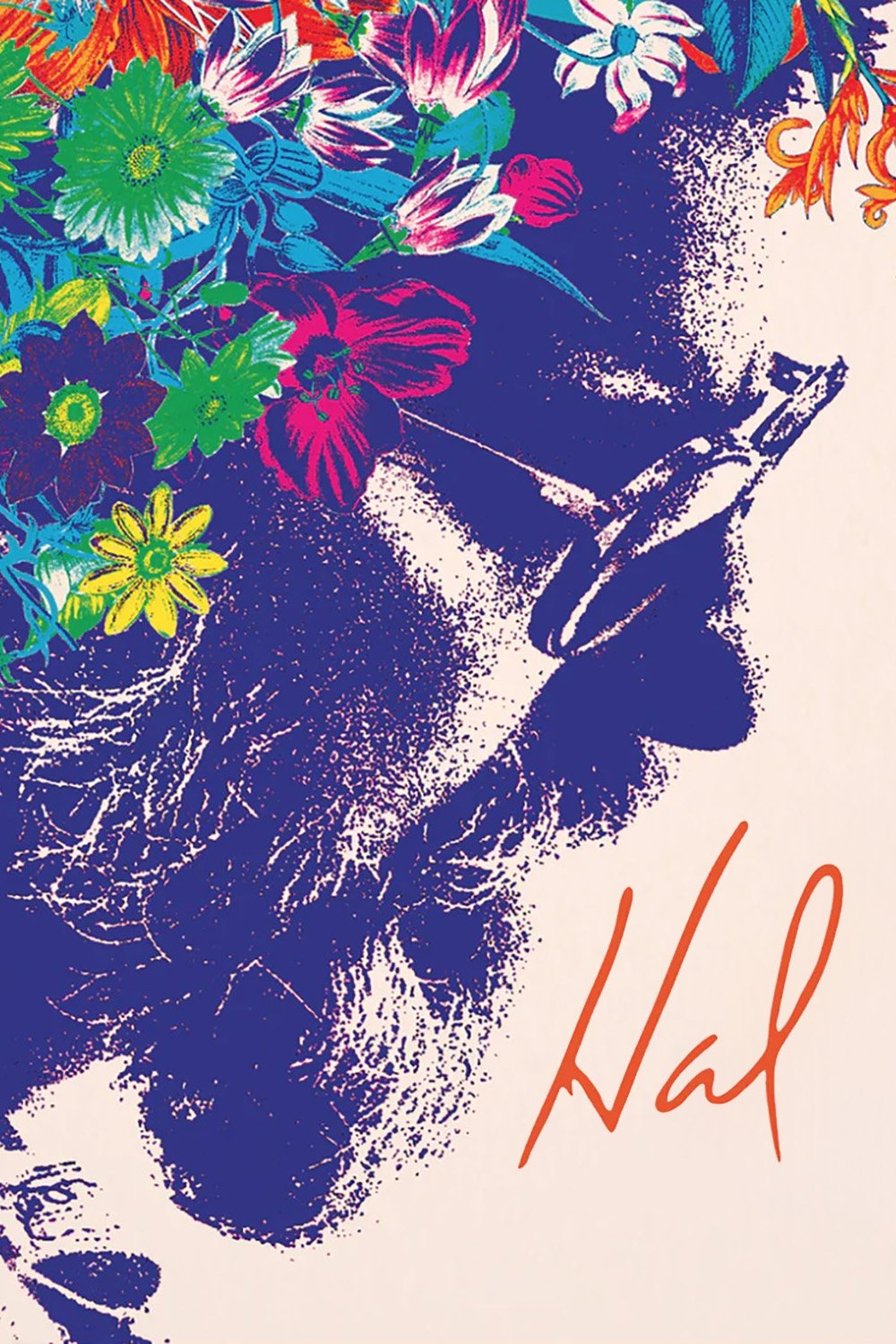
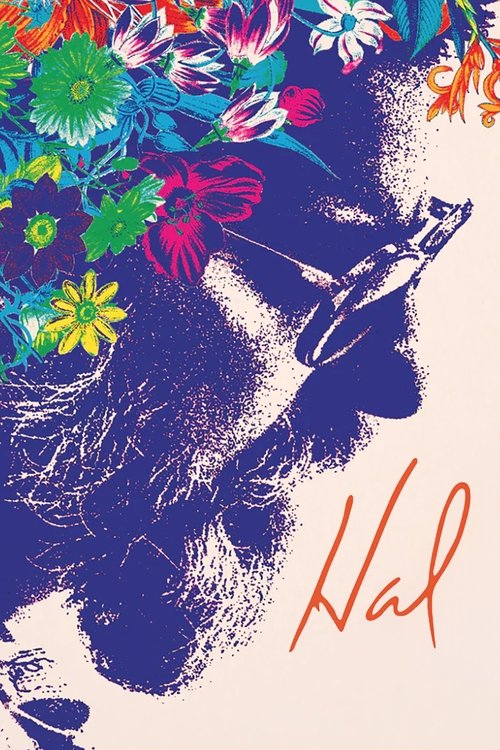
Hal Ashby's obsessive genius led to an unprecedented string of Oscar®-winning classics, including Harold and Maude, Shampoo and Being There. But as contemporaries Coppola, Scorsese and Spielberg rose to blockbuster stardom in the 1980s, Ashby's uncompromising nature played out as a cautionary tale of art versus commerce.




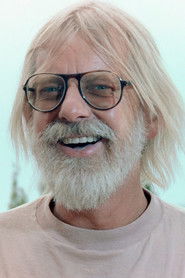
Hal Ashby
Hal Ashby
Self (archive footage)
Hal Ashby
Self (archive footage)

Jane Fonda
Jane Fonda
Self
Jane Fonda
Self

Jon Voight
Jon Voight
Self
Jon Voight
Self

Lee Grant
Lee Grant
Self
Lee Grant
Self
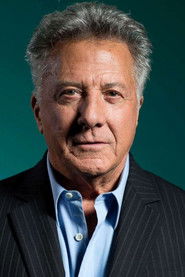
Dustin Hoffman
Dustin Hoffman
Self
Dustin Hoffman
Self

Rosanna Arquette
Rosanna Arquette
Self
Rosanna Arquette
Self
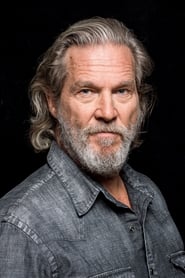
Jeff Bridges
Jeff Bridges
Self
Jeff Bridges
Self

Allison Anders
Allison Anders
Self
Allison Anders
Self
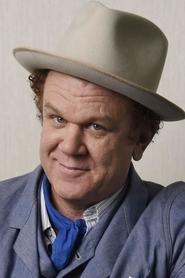
John C. Reilly
John C. Reilly
Self
John C. Reilly
Self

Judd Apatow
Judd Apatow
Self
Judd Apatow
Self
Similar Movies
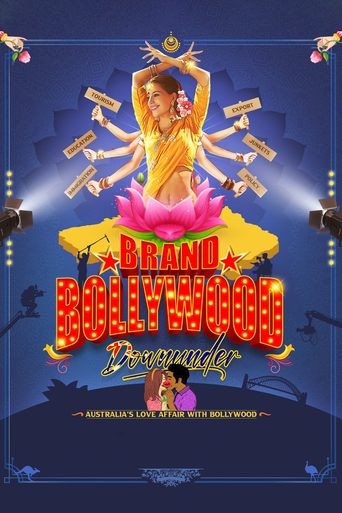
When most people think about Australia, they picture massive sandy beaches, singlet-clad locals drinking beer, and kangaroos bounding through the dusty red outback. Saris, musical numbers, and masala are the furthest from anyone's mind - unless of course, you're one of the millions of Bollywood fans from around the world.

The history of the Yakuza Eiga at the TOEI studio is roughly outlined. Real Yakuza and also their connections to the movie business are discussed, and many important actors and directors of the genres are interviewed. Former real yakuza boss turned actor Noboru Ando, Takashi Miike, Sonny Chiba and many more get a chance to speak.
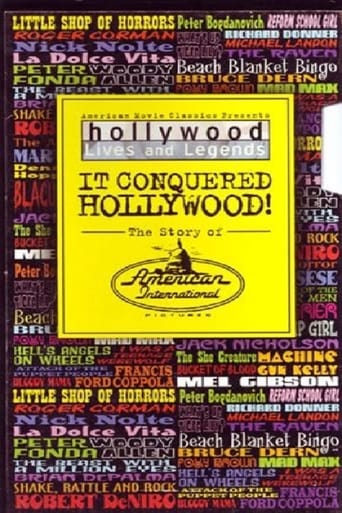
A 60-minute salute to American International Pictures. Entertainment lawyer Samuel Z. Arkoff founded AIP (then called American Releasing Corporation) on a $3000 loan in 1954 with his partner, James H. Nicholson, a former West Coast exhibitor and distributor. The company made its mark by targeting teenagers with quickly produced films that exploited subjects mainstream films were reluctant to tackle.
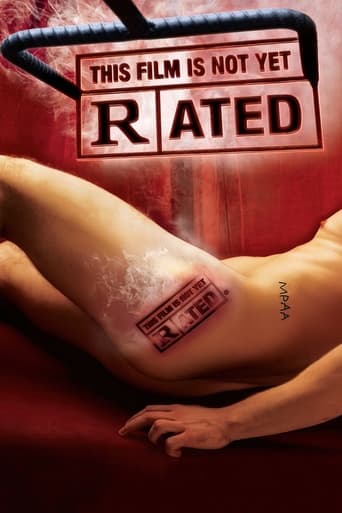
Kirby Dick's provocative documentary investigates the secretive and inconsistent process by which the Motion Picture Association of America (MPAA) rates films, revealing the organization's underhanded efforts to control culture. Dick questions whether certain studios get preferential treatment and exposes the discrepancies in how the MPAA views sex and violence.