


Documentary · History
Overview
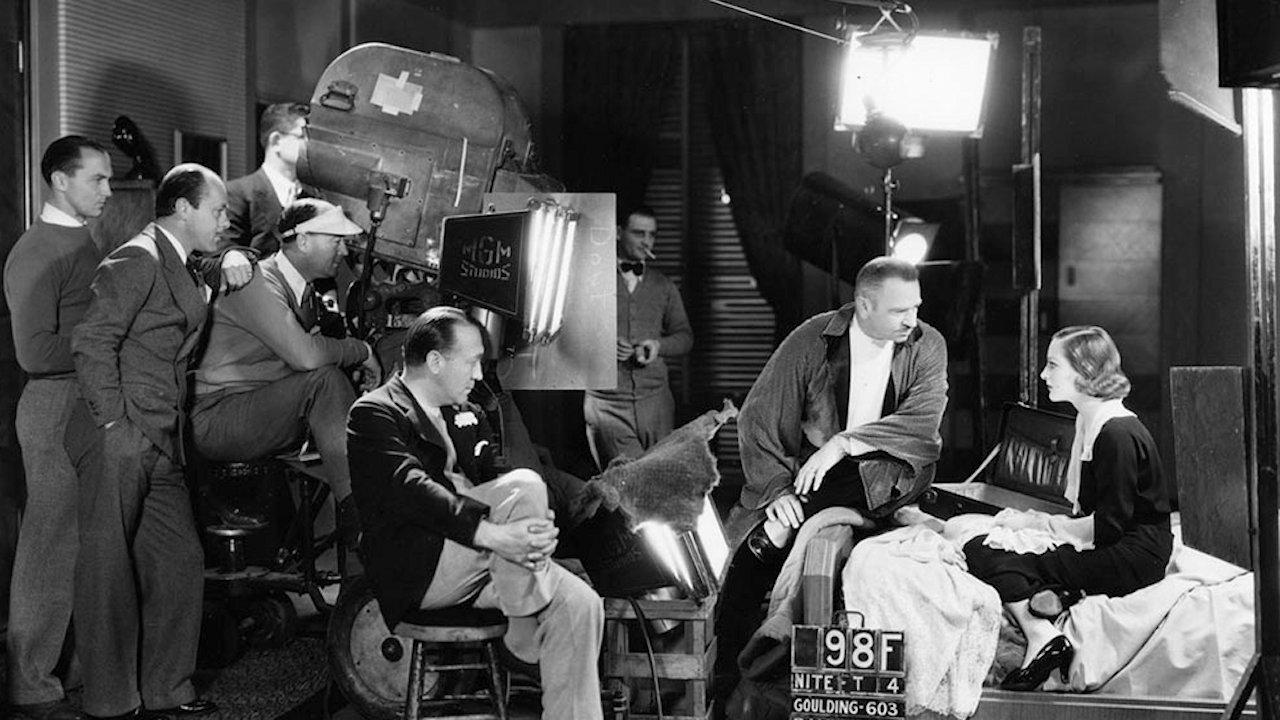
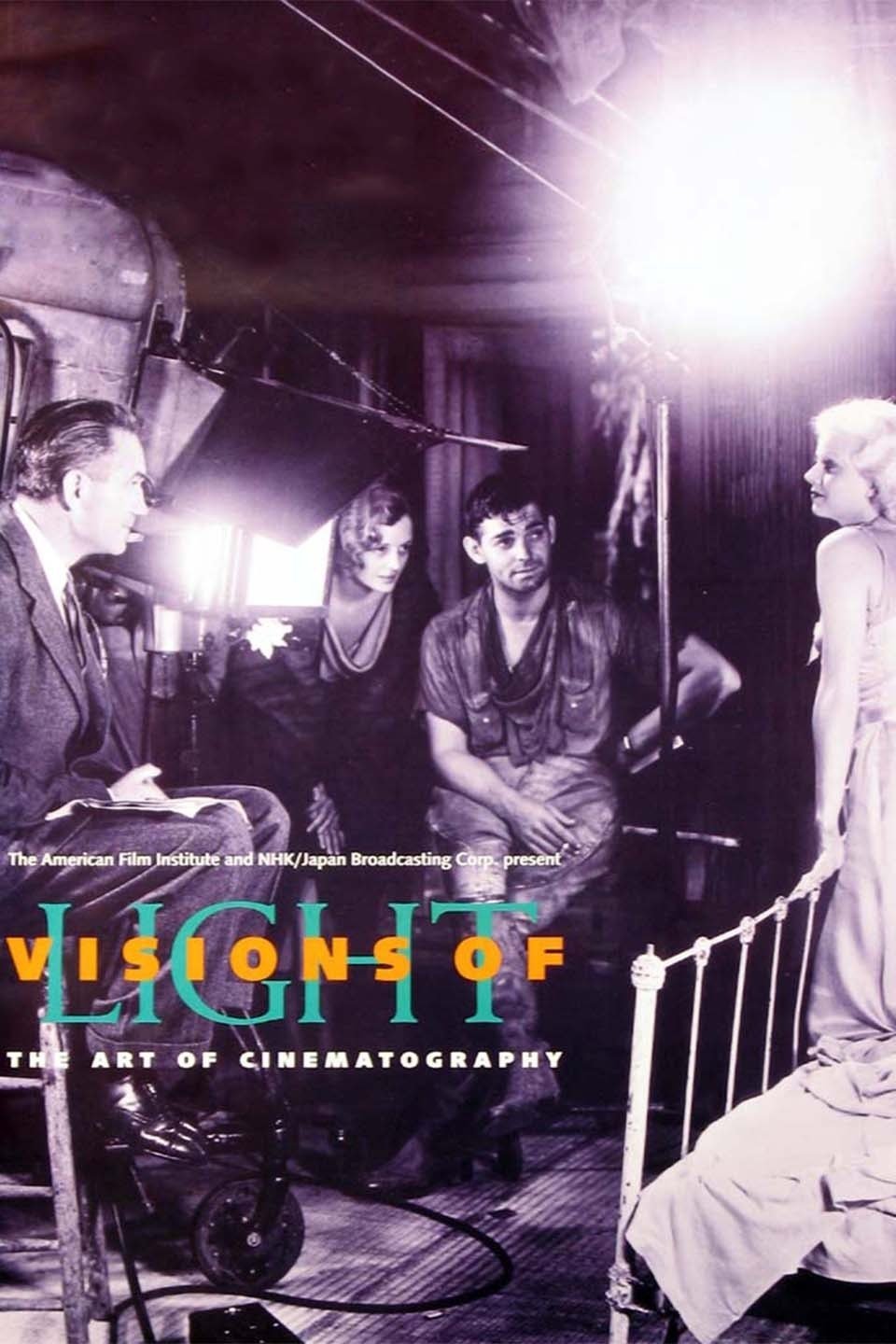
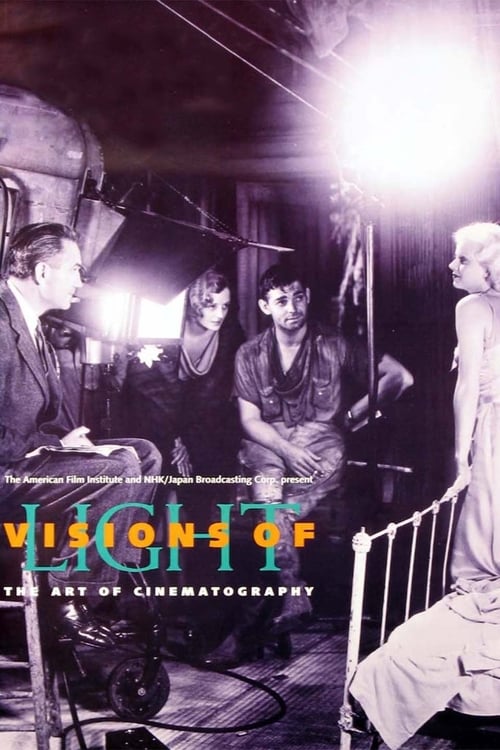
Cameramen and women discuss the craft and art of cinematography and of the "DP" (the director of photography), illustrating their points with clips from 100 films, from Birth of a Nation to Do the Right Thing. Themes: the DP tells people where to look; changes in movies (the arrival of sound, color, and wide screens) required creative responses from DPs; and, these artisans constantly invent new equipment and try new things, with wonderful results. The narration takes us through the identifiable studio styles of the 30s, the emergence of noir, the New York look, and the impact of Europeans. Citizen Kane, The Conformist, and Gordon Willis get special attention.








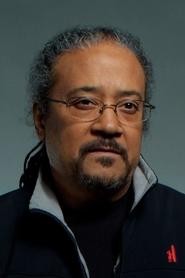
Ernest R. Dickerson
Ernest R. Dickerson
Self
Ernest R. Dickerson
Self

Michael Chapman
Michael Chapman
Self
Michael Chapman
Self
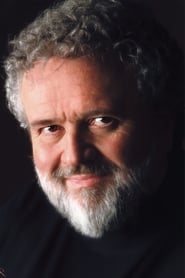
Allen Daviau
Allen Daviau
Self
Allen Daviau
Self

Caleb Deschanel
Caleb Deschanel
Self
Caleb Deschanel
Self

Lisa Rinzler
Lisa Rinzler
Self
Lisa Rinzler
Self

Conrad Hall
Conrad Hall
Self
Conrad Hall
Self
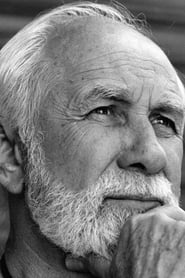
William A. Fraker
William A. Fraker
Self
William A. Fraker
Self
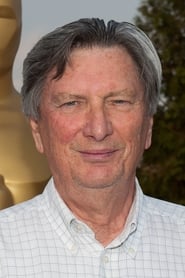
John Bailey
John Bailey
Self
John Bailey
Self

Néstor Almendros
Néstor Almendros
Self
Néstor Almendros
Self
Charles Rosher Jr.
Charles Rosher Jr.
Self
Charles Rosher Jr.
Self
Similar Movies

The history of the Yakuza Eiga at the TOEI studio is roughly outlined. Real Yakuza and also their connections to the movie business are discussed, and many important actors and directors of the genres are interviewed. Former real yakuza boss turned actor Noboru Ando, Takashi Miike, Sonny Chiba and many more get a chance to speak.
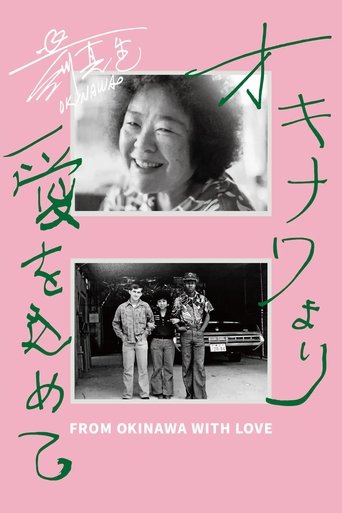
An Okinawan photographer, Mao Ishikawa spent her early 20s working as a barmaid in establishments catered specifically to African American GIs stationed in Okinawa. “There was love,” as the tagline reads, her photography book, 『Red Flower – The Women of Okinawa』 captured the diaristic intimacy of friendships, love affairs, and wild nights shared amongst her social circle of that time.
Homo Cinematographicus is a human species whose unit of measurement and point of reference is the cinema and its derivative, television. Filmed at the 1998 Cannes Film Festival, the film offers an unspecified number of statements, talking about memories and a thousand fragments of stories, titles and film scenes, the warp of a gigantic collective Chanson de geste.