


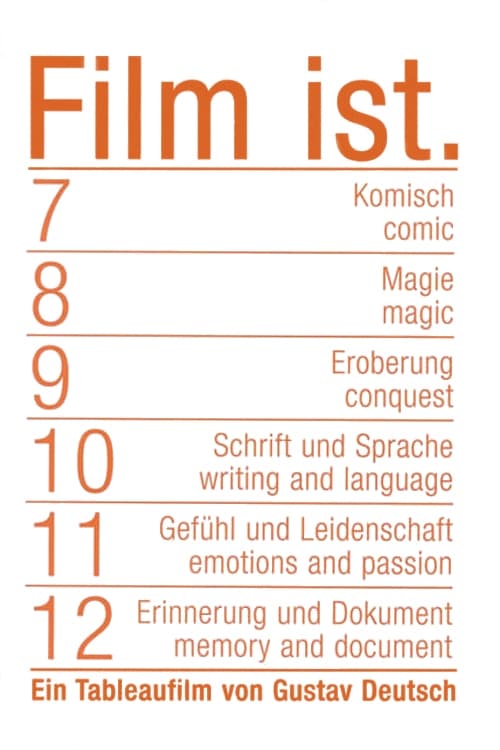
Film Is. 7-12
Documentary
Overview
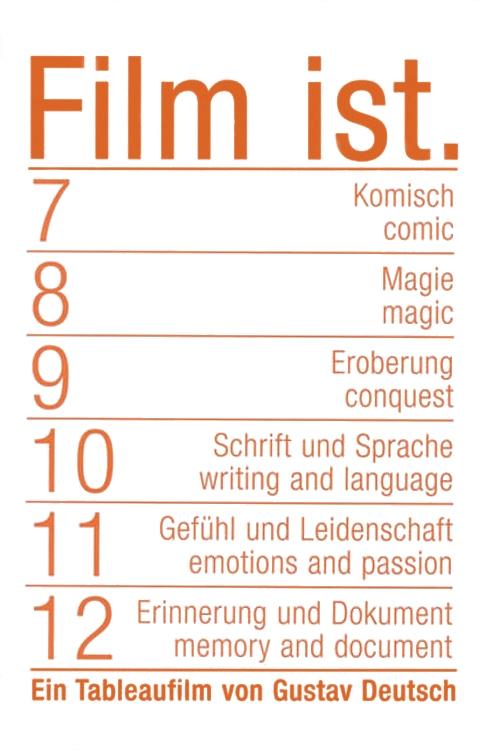
The second half of Gustav Deutsch's experimental Film ist. series, constructing new narratives and moods out of existing footage, mostly from early silent era films.

No cast information.
Similar Movies
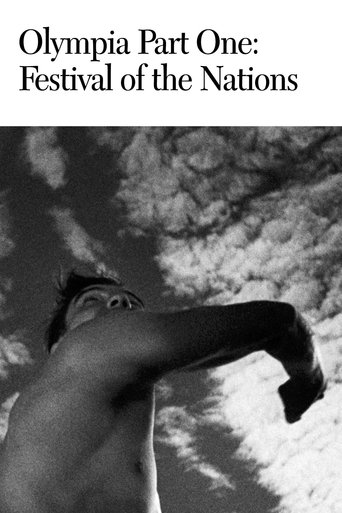
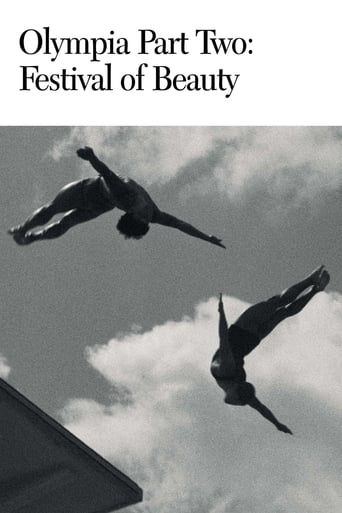
Starting with a long and lyrical overture, evoking the origins of the Olympic Games in ancient Greece, Riefenstahl covers twenty-one athletic events in the first half of this two-part love letter to the human body and spirit, culminating with the marathon, where Jesse Owens became the first track and field athlete to win four gold medals in a single Olympics.
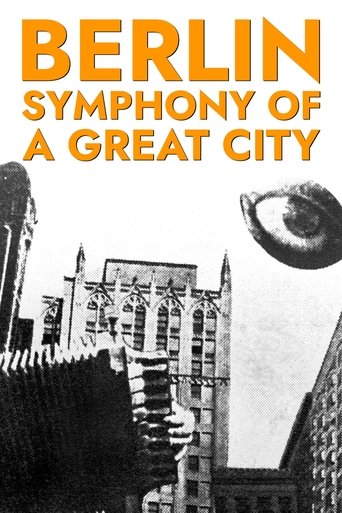
A day in the city of Berlin, which experienced an industrial boom in the 1920s, and still provides an insight into the living and working conditions at that time. Germany had just recovered a little from the worst consequences of the First World War, the great economic crisis was still a few years away and Hitler was not yet an issue at the time.
Sylvia Kristel – Paris is a portrait of Sylvia Kristel , best known for her role in the 1970’s erotic cult classic Emmanuelle, as well as a film about the impossibility of memory in relation to biography. Between November 2000 and June 2002 Manon de Boer recorded the stories and memories of Kristel. At each recording session she asked her to speak about a city where Kristel has lived: Paris, Los Angeles, Brussels or Amsterdam; over the two years she spoke on several occasions about the same city. At first glance the collection of stories appears to make up a sort of biography, but over time it shows the impossibility of biography: the impossibility of ‘plotting’ somebody’s life as a coherent narrative.
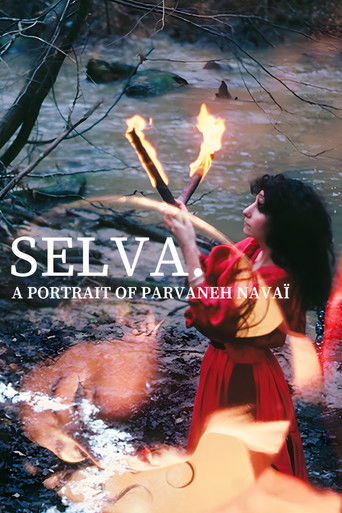
Trance dances and out of body projection. In front of the camera, Parvaneh Navaï becomes a mediator who enters in contact with and immerses into the energies of Nature, while her own energy radiates and echos in the forest ("selva"). The camera amplifies and expands her presence, transforming the forest into an imaginary space. The camera becomes a painter's brush.
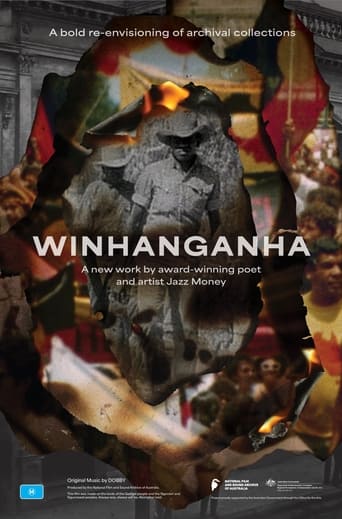
WINHANGANHA (Wiradjuri language: Remember, know, think) - is a lyrical journey of archival footage and sound, poetry and original composition. It is an examination of how archives and the legacies of collection affect First Nations people and wider Australia, told through the lens of acclaimed Wiradjuri artist, Jazz Money.

Avant-Drag! paints portraits of ten drag artists of varying gender expressions and sexualities who take to the streets of Athens to query, problematise and (yes, please!) undermine social strictures. Employing wildly imagined personas – like riot housewives and Albanian turbo-folk girls – who perform acts as revolutionary as praising abortion and as charming as drawing childish pictures, these artists call for social justice by taking aim at conservatism, patriarchy, patriotism, racism and sexism.