




Documentary
Overview
A day in the city of Berlin, which experienced an industrial boom in the 1920s, and still provides an insight into the living and working conditions at that time. Germany had just recovered a little from the worst consequences of the First World War, the great economic crisis was still a few years away and Hitler was not yet an issue at the time.
Top Cast






Paul von Hindenburg
Paul von Hindenburg
Self
Paul von Hindenburg
Self
Similar Movies
Documentary film that takes a visual and anthropological journey through man's spirit across the thin line dividing excessive faith in religious believes and the passion with which he devotes himself to worldly pleasures in a city that coexists in harmony with its double standards. Religion, faith, politics, violence and death are intimately bound in this social portrait.
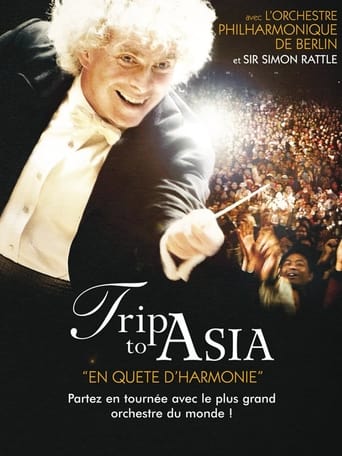
Journey with the musicians of the Berlin Philharmonic and their conductor Sir Simon Rattle on a breakneck concert tour of six metropolises across Asia: Beijing, Seoul, Shanghai, Hong Kong, Taipei and Tokyo. Their artistic triumph onstage belies a dynamic and dramatic life backstage. The orchestra is a closed society that observes its own laws and traditions, and in the words of one of its musicians is, “an island, a democratic microcosm – almost without precedent in the music world - whose social structure and cohesion is not only founded on a common love for music but also informed by competition, compulsion and the pressure to perform to a high pitch of excellence... .” Never before has the Berlin Philharmonic allowed such intimate and exclusive access into its private world.
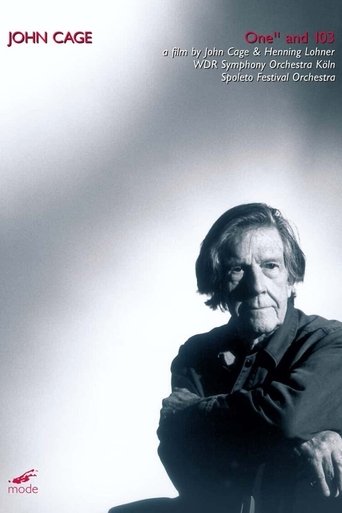
Avant-garde composer John Cage is famous for his experimental pieces and "chance music" but temporarily branched into video in 1992 with this art film about meaningless activity. The work is composed of two segments that are supposed to be played simultaneously: "One 11" contains the artistic statement, and "103" is a 17-part orchestral piece. Also included is a revealing documentary about Cage and director Henning Lohner.
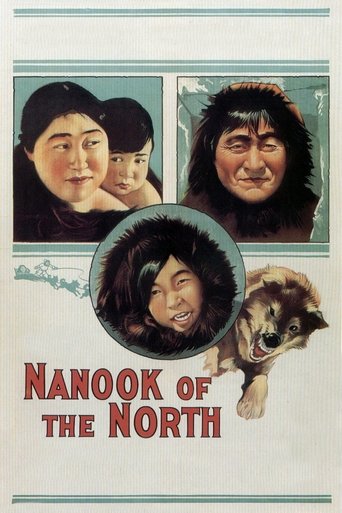
This pioneering documentary film depicts the lives of the indigenous Inuit people of Canada's northern Quebec region. Although the production contains some fictional elements, it vividly shows how its resourceful subjects survive in such a harsh climate, revealing how they construct their igloo homes and find food by hunting and fishing. The film also captures the beautiful, if unforgiving, frozen landscape of the Great White North, far removed from conventional civilization.
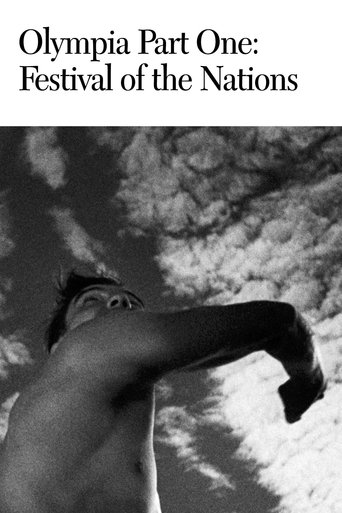
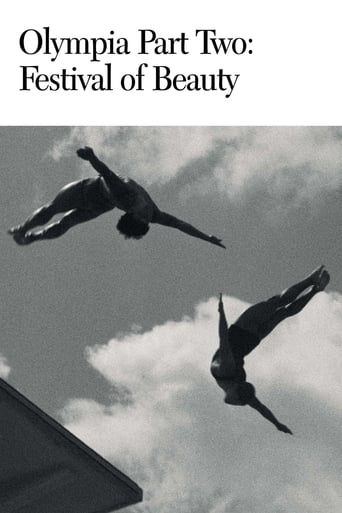
Starting with a long and lyrical overture, evoking the origins of the Olympic Games in ancient Greece, Riefenstahl covers twenty-one athletic events in the first half of this two-part love letter to the human body and spirit, culminating with the marathon, where Jesse Owens became the first track and field athlete to win four gold medals in a single Olympics.