

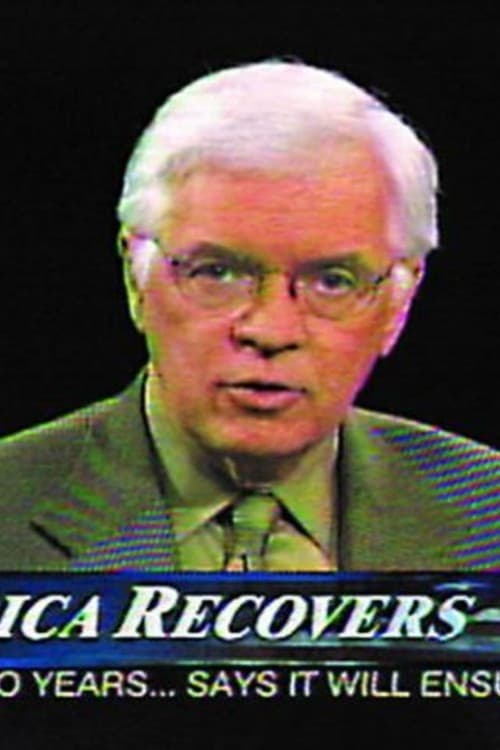
CNN Concatenated
Documentary
Overview
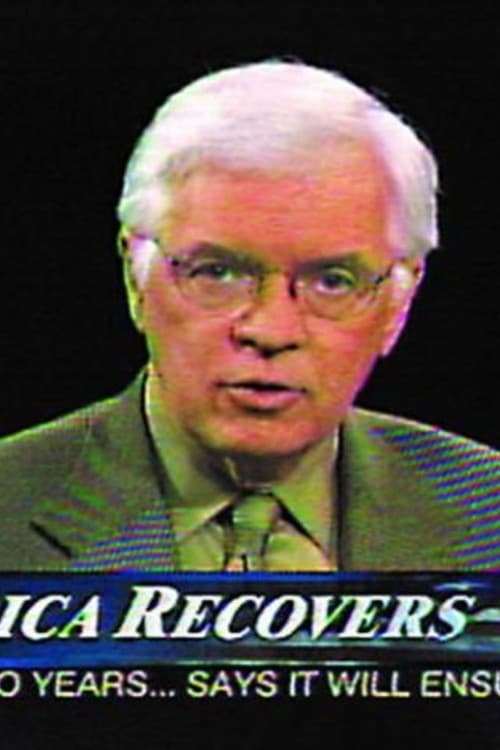
An 18-minute long single-channel video which uses CNN footage cut so that each word is spoken by a different newsperson. The pieces literally asks the viewers questions about media authenticity and give CNN a distinct voice
No cast information.
Similar Movies
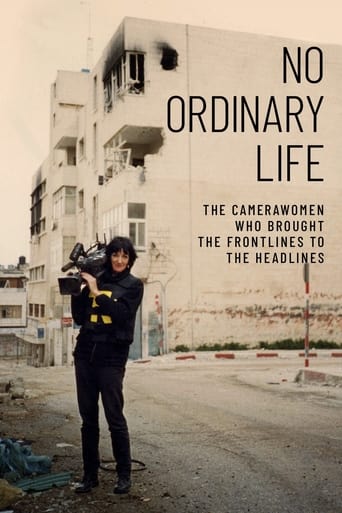
In a field dominated by men, five pioneering camerawomen Mary Rogers, Cynde Strand, Jane Evans, Maria Fleet and Margaret Moth went to the frontlines of wars, revolutions and disasters to bring us the truth. As colorful as accomplished, these brave photojournalists made their mark by capturing some of the most iconic images from Tiananmen Square, to conflicts in Sarajevo, Iraq, Somalia and the Arab Spring uprising. But the world doesn’t know it was these women behind the camera. In the midst of unfolding chaos, the pictures they took for CNN both shocked and informed the world. This feature documentary by director Heather O’Neill tells their remarkable story.
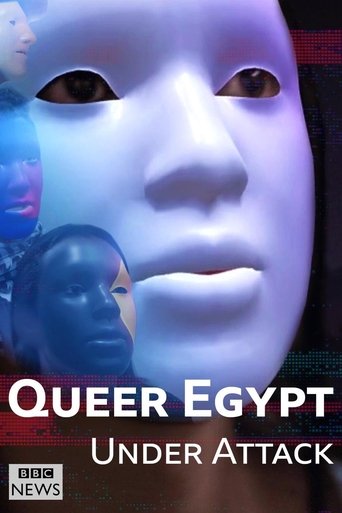
A BBC News investigation has revealed how violent criminal gangs are finding, abusing and extorting people from the LGBT community they meet online in Egypt. Using masking technology to hide the identities of the people he meets, Ahmed Shihab-Eldin navigates the complex online and real-life world of people who identify as queer and who have been repeatedly targeted by a gang with violent viral video humiliations and police arrests.
Black Hole Radio is an installation that consists of taped confessions of callers of the New York City Phone Confession Line and video images. The Phone Confession Line is based on anonymous callers ringing to confess on things they had done or thought like adultery, theft, murder or regrets. Thereafter anybody could call and listen to the confessions. Although making a confession was free, listening to a confession costs money. After Cohen got his hands on the confessions, he used them as an audio heartbeat to accompany video-images of every day life in New York City he had taken over the years. This installation is a portrait of the city with its dark secrets, hushed voices and nocturnal images. In this way Cohen tries to bring across an experience to the viewer that relies on absence, waiting and the effort to hear something in the dark.
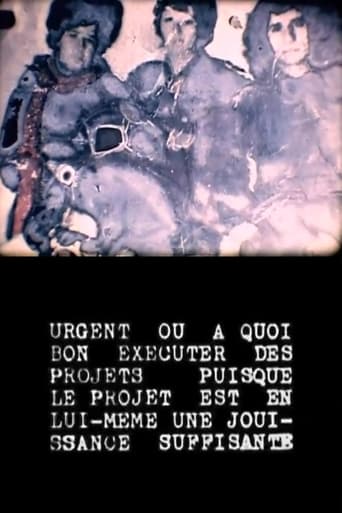
Gérard Courant applies the Lettrist editing techniques of Isidore Isou to footage of late 70's pop culture. Courant posits that his cinema offers an aggressive détournement to the French mainstream, reifying a Duchampian view of film: "I believe in impossible movies and works without meaning... I believe in the anti-movie. I believe in the non-movie. I believe in Urgent... My first full length movie that is so anti-everything that I sometimes wonder if it really does exist!"

Trance dances and out of body projection. In front of the camera, Parvaneh Navaï becomes a mediator who enters in contact with and immerses into the energies of Nature, while her own energy radiates and echos in the forest ("selva"). The camera amplifies and expands her presence, transforming the forest into an imaginary space. The camera becomes a painter's brush.
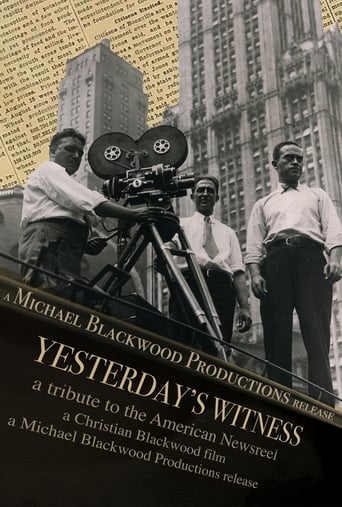
For the first 50 years of film history, the newsreel was a fixture in American movie theaters. From 1911 to 1967, these shorts proved an influential source of information – and misinformation – for generations of American moviegoers. Television news and public affairs programs became a great improvement over the scanty information offered by the newsreels. This documentary offers insight into a medium which has disappeared.
Sylvia Kristel – Paris is a portrait of Sylvia Kristel , best known for her role in the 1970’s erotic cult classic Emmanuelle, as well as a film about the impossibility of memory in relation to biography. Between November 2000 and June 2002 Manon de Boer recorded the stories and memories of Kristel. At each recording session she asked her to speak about a city where Kristel has lived: Paris, Los Angeles, Brussels or Amsterdam; over the two years she spoke on several occasions about the same city. At first glance the collection of stories appears to make up a sort of biography, but over time it shows the impossibility of biography: the impossibility of ‘plotting’ somebody’s life as a coherent narrative.

In 2007, the Writers Guild of America, the Screenwriters Union, hit an impasse in their contract negotiations with the Studios. At the center of the dispute was jurisdiction over the internet. Unable to make progress, the WGA called a strike which brought Hollywood to a halt for 100 days.
This Shiver (ITV Studios) documentary reveals what happened behind-the-scenes on some of the most momentous breaking news events in our lifetime - as told by those caught up in the real-life drama, those in the newsrooms and those responsible for delivering these newsflashes into millions of people's homes. News stories covered include the death of Diana, Princess of Wales (1997); the assassination of President Kennedy in Dallas (1963); the coal-tip landslide in Aberfan (1966); the Lockerbie Air Disaster (1988); the terrorist attacks on the World Trade Center in New York (2001); the start of Operation Desert Storm during the Gulf War (1991); the dramatic end of the Iranian Embassy siege in London (1980); and the announcement of the death of the Queen Elizabeth, the Queen Mother (2002).
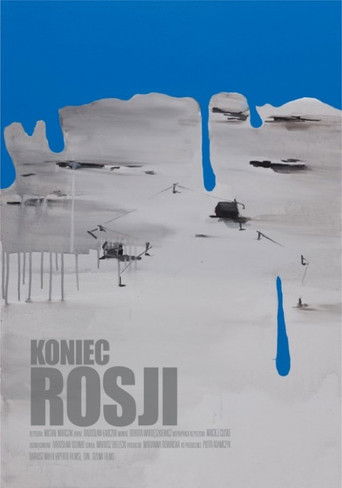
Alexei is a nineteen year old recruit being flown in to perform his military service on the frontier of northern Russia. The base is one of few such remaining outposts on the Arctic Ocean. There are five other seasoned and long serving soldiers stationed here, each with their own personal story or secret that has caused them to retreat from the real world. Their training and breaking in of the new arrival is sometimes humorous, at times harsh. Gradually, they each reveal something of themselves in their daily interactions and private moments as they continue their absurd duty in this snow covered no man's land, hundreds of miles from the nearest human settlement.