

Dawn of the Damned
Documentary · History · Drama
Overview
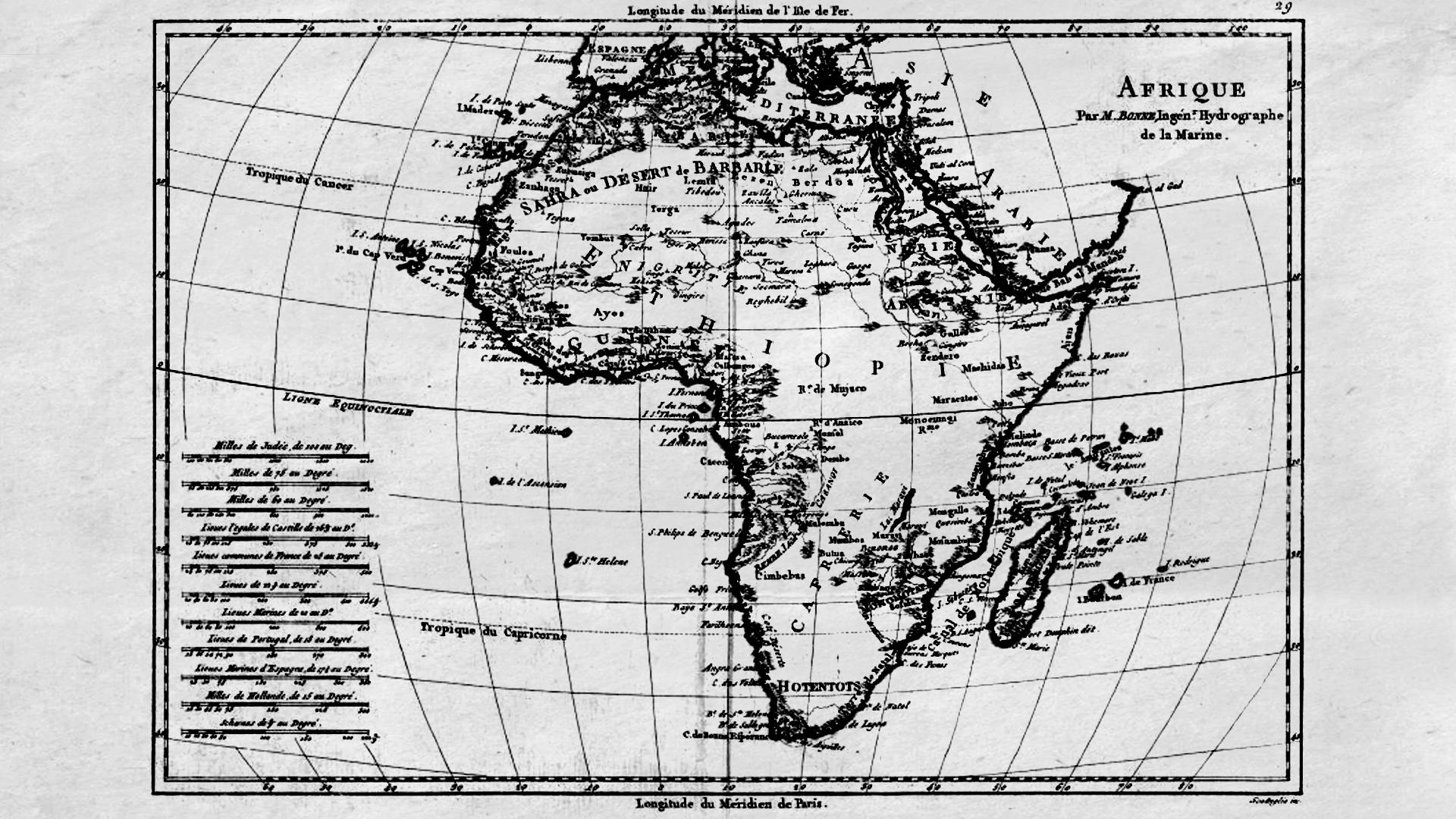
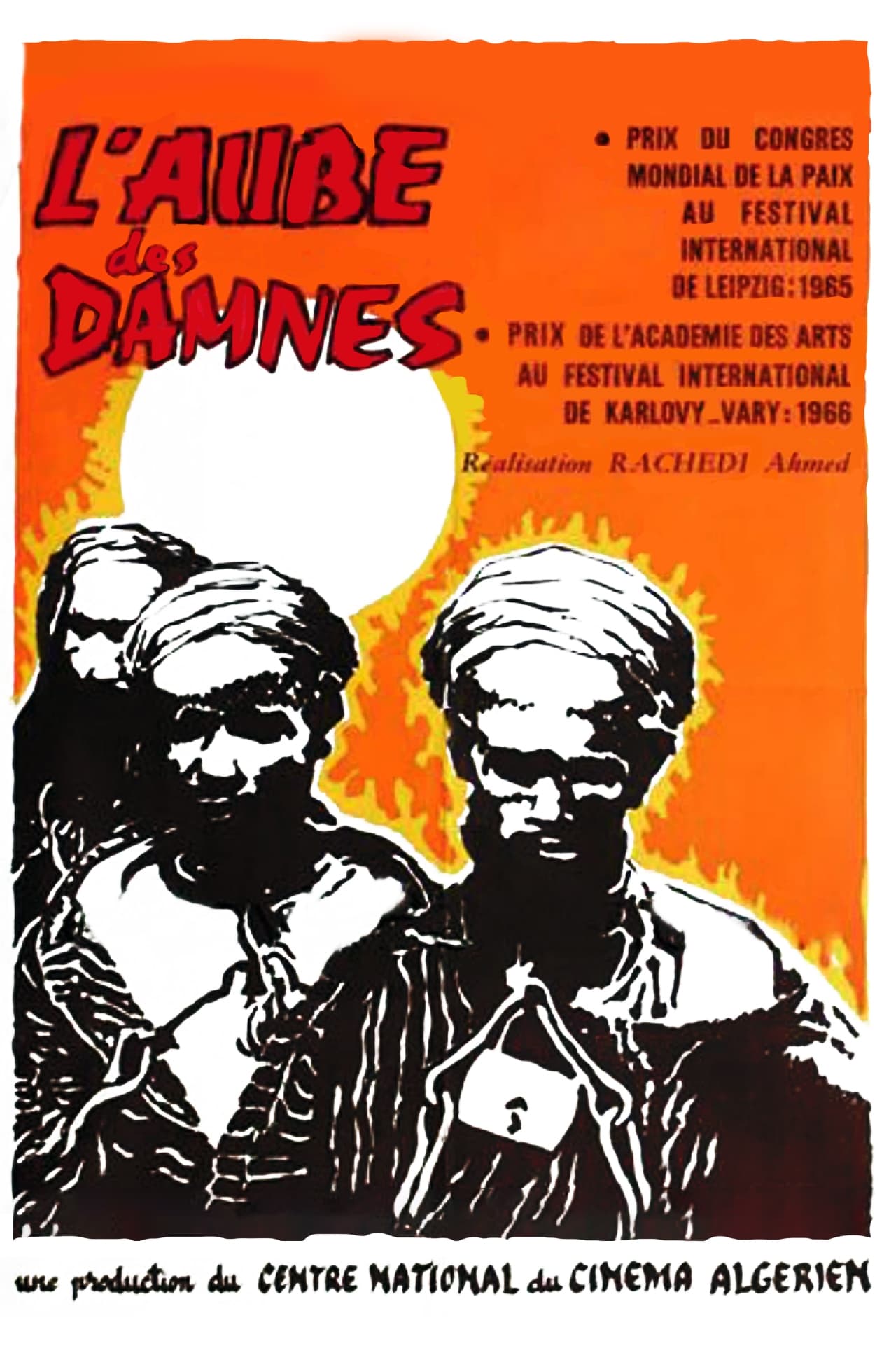
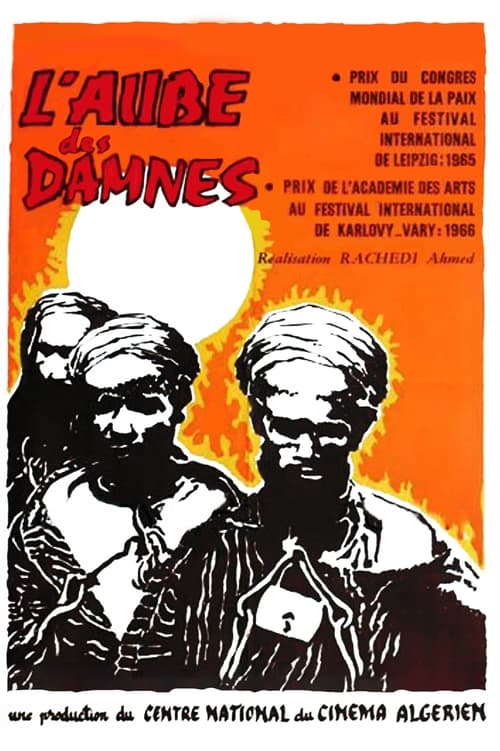
This excellent feature-length documentary - the story of the imperialist colonization of Africa - is a film about death. Its most shocking sequences derive from the captured French film archives in Algeria containing - unbelievably - masses of French-shot documentary footage of their tortures, massacres and executions of Algerians. The real death of children, passers-by, resistance fighters, one after the other, becomes unbearable. Rather than be blatant propaganda, the film convinces entirely by its visual evidence, constituting an object lesson for revolutionary cinema.





Mouloud Mammeri
Mouloud Mammeri
Narrator (voice)
Mouloud Mammeri
Narrator (voice)
Mohamed Chouikh
Mohamed Chouikh
Mohamed Chouikh
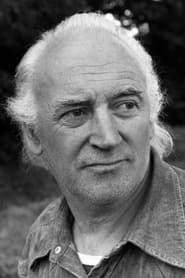
René Vautier
René Vautier
René Vautier
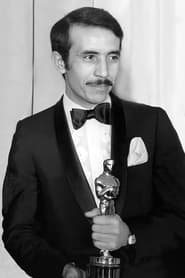
Ahmed Rachedi
Ahmed Rachedi
Ahmed Rachedi

Mazouz Ould-Abderrahmane
Mazouz Ould-Abderrahmane
Mazouz Ould-Abderrahmane

Sid Ahmed Agoumi
Sid Ahmed Agoumi
Sid Ahmed Agoumi
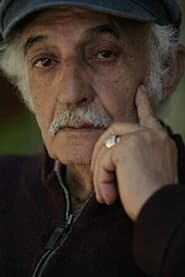
Salah Teskouk
Salah Teskouk
Salah Teskouk
Samia Meziane
Samia Meziane
Samia Meziane
Mahdia Magroufel
Mahdia Magroufel
Mahdia Magroufel
Hamou Saadaoui
Hamou Saadaoui
Hamou Saadaoui
Similar Movies
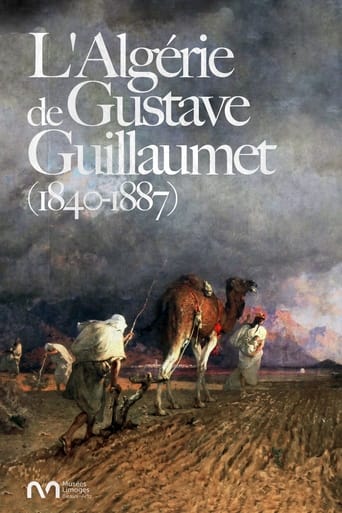
Born on March 25, 1840, Gustave Guillaumet discovered Algeria by chance when he was about to embark for Italy. Over the course of his ten or eleven trips and extended stays, he established a familiarity with this space. Traveling through the different regions from north to south, he never ceases to note the differences. He is also the first artist, apart from Delacroix's Women of Algiers, to penetrate into female interiors and reveal the reality, far removed from the harem fantasies that reigned in his time. Fascinated by the country, its deserts and its inhabitants , going so far as to live like the Algerians, Gustave Guillaumet devoted his life and his painting to this country, breaking with the colorful and exotic representations of the time. The painting The Famine in Algeria, restored thanks to exceptional fundraising, was dictated by the events of the years 1865-1868, and well illustrates his knowledge of the country, in a manner that is at once demanding, sensitive and serious.
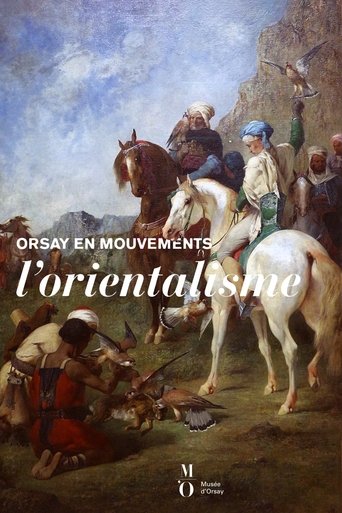
Orientalism is a literary and artistic movement born in Western Europe in the 18th century. Through its scale and popularity, throughout the 19th century, it marked the interest and curiosity of artists and writers for the countries of the West (the Maghreb) or the Levant (the Middle East). Orientalism was born from the fascination of the Ottoman Empire and followed its slow disintegration and the progression of European colonizations. This exotic trend is associated with all the artistic movements of the 19th century, academic, romantic, realistic or even impressionist. It is present in architecture, music, painting, literature, poetry... Picturesque aesthetics, confusing styles, civilizations and eras, orientalism has created numerous clichés and clichés that we still find today in literature or cinema.
The professional mercenary Sir William Walker instigates a slave revolt on the Caribbean island of Queimada in order to help improve the British sugar trade. Years later he is sent again to deal with the same rebels that he built up because they have seized too much power that now threatens British sugar interests.
A chronicle of the violence that occurred in much of the African continent throughout the 1960s. As many African countries were transitioning from colonial rule to other forms of government, violent political upheavals were frequent. Revolutions in Zanzibar and Kenya in which thousands were killed are shown, the violence not only political; there is also extensive footage of hunters and poachers slaughtering different types of wild animals.
Dazzled by the surrealist movement, Francis Falceto decided at the age of 17 to live an extraordinary life. In the 1980s, co-created l'Oreille est Hardie and Le Confort Moderne in Poitiers, leaving his mark on French underground culture. A record he discovered by chance opened another important chapter in his life: Ethiopian music, of which he became a great champion. "Ethiopiques Magnetic Suite" is the portrait of a discreet and essential man, a plunge into the counterculture, an invitation to live his his life.
French filmmaker Laurent Chevallier always wanted to make a documentary on an African circus, but there were no native circuses on the continent. So Chevallier decided to help found a circus in Guinea. 36 young people were chosen from the city of Conakry to participate in what would become Circus Baobab. A group of French circus artists were imported to train the participants for 2 years in acrobatics and trapeze. Then the group took their show on the road. This film is Chevallier's account of the troupe's inaugural tour in Guinea, from March 1 - April 11, 2000.