

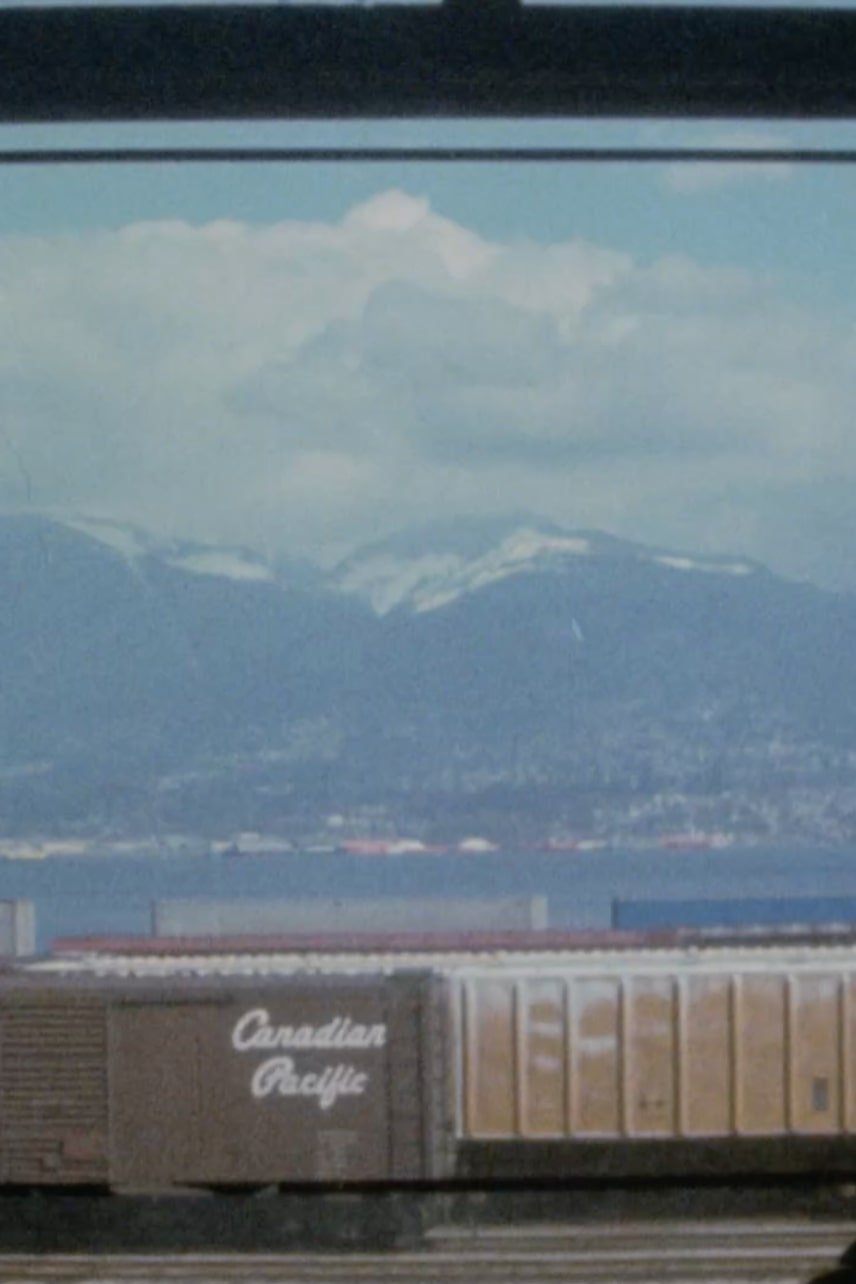
Canadian Pacific I
Documentary
Overview
Canadian Pacific I is made up of a series of slowly dissolved shots done from the same framing over several months. The camera frames a window with a railway yard in the foreground, a bay in the space behind it, and misty mountains in the extreme distance. Trains occasionally pass by in the foreground. Huge ships move across the bay. Blue mists hover over the mountain heads.




No cast information.
Similar Movies
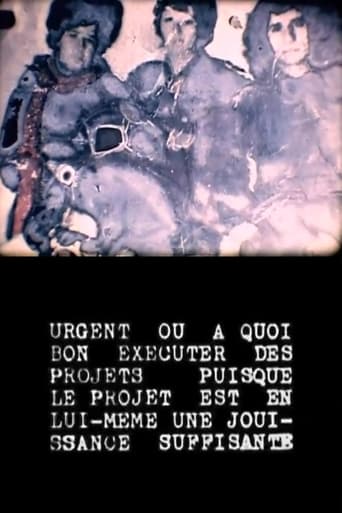
Gérard Courant applies the Lettrist editing techniques of Isidore Isou to footage of late 70's pop culture. Courant posits that his cinema offers an aggressive détournement to the French mainstream, reifying a Duchampian view of film: "I believe in impossible movies and works without meaning... I believe in the anti-movie. I believe in the non-movie. I believe in Urgent... My first full length movie that is so anti-everything that I sometimes wonder if it really does exist!"
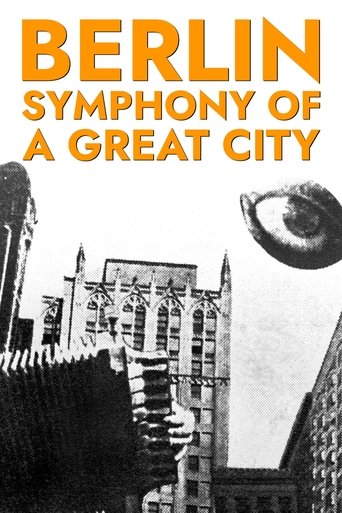
A day in the city of Berlin, which experienced an industrial boom in the 1920s, and still provides an insight into the living and working conditions at that time. Germany had just recovered a little from the worst consequences of the First World War, the great economic crisis was still a few years away and Hitler was not yet an issue at the time.
In the late 1990s, some officers at Vancouver Police Department made a documentary film (THROUGH A BLUE LENS) about the everyday lives of six drug addicts in Vancouver's skid row, the Downtown Eastside. TEARS FOR APRIL reintroduces us to these six people; with footage shot over a period of nearly ten years, it continues their biography.

Trance dances and out of body projection. In front of the camera, Parvaneh Navaï becomes a mediator who enters in contact with and immerses into the energies of Nature, while her own energy radiates and echos in the forest ("selva"). The camera amplifies and expands her presence, transforming the forest into an imaginary space. The camera becomes a painter's brush.
Black Hole Radio is an installation that consists of taped confessions of callers of the New York City Phone Confession Line and video images. The Phone Confession Line is based on anonymous callers ringing to confess on things they had done or thought like adultery, theft, murder or regrets. Thereafter anybody could call and listen to the confessions. Although making a confession was free, listening to a confession costs money. After Cohen got his hands on the confessions, he used them as an audio heartbeat to accompany video-images of every day life in New York City he had taken over the years. This installation is a portrait of the city with its dark secrets, hushed voices and nocturnal images. In this way Cohen tries to bring across an experience to the viewer that relies on absence, waiting and the effort to hear something in the dark.
Vancouver's Downtown East side is home to thousands of drug addicts, prostitutes, and the mentally ill. Amateur cameraman K.R.T. spent one summer on these mean streets getting to know longtime homeless drug addicts Ken and Lisa. This seemingly random footage was given to first time writer/director Josh Laner who found a story of people trying to connect in an area where no one seems connected to much of anything. An intimate and surreal look at life on the streets in Canada's most impoverished postal code. This is Josh Laner's first film.

No matter what your age you'll love watching this impressive and comprehensive story of the development of railroading in America. Rail enthusiasts as well as history buffs, teachers and home schoolers, plus kids of all ages will appreciate this magnificent rail adventure covering live action historic operating railroads, rare photos of drawings and valuable memorabilia, and live action re-enactments. Featuring spectacular cinematography and an inspiring musical score, this Award-Winning four part DVD covers over one-hundred years of railroading evolution.