

Tears for April: Beyond the Blue Lens
Documentary
Overview
In the late 1990s, some officers at Vancouver Police Department made a documentary film (THROUGH A BLUE LENS) about the everyday lives of six drug addicts in Vancouver's skid row, the Downtown Eastside. TEARS FOR APRIL reintroduces us to these six people; with footage shot over a period of nearly ten years, it continues their biography.
Top Cast







April Reoch
April Reoch
Herself
April Reoch
Herself
Similar Movies
"A documentary film which looks at the issue of British Columbia Native land claims and how the aboriginals link their culture to the land, which has been stolen by the dominant white culture of North America. In the film, the argument is presented that the lands have been taken from the Natives without any clear treaty agreements and how attempts had been made to wipe out Native culture through the Residential School system. " Produced by the Union of BC Indian Chiefs in 1975.
Vancouver's Downtown East side is home to thousands of drug addicts, prostitutes, and the mentally ill. Amateur cameraman K.R.T. spent one summer on these mean streets getting to know longtime homeless drug addicts Ken and Lisa. This seemingly random footage was given to first time writer/director Josh Laner who found a story of people trying to connect in an area where no one seems connected to much of anything. An intimate and surreal look at life on the streets in Canada's most impoverished postal code. This is Josh Laner's first film.

NiiSoTeWak means “walking the path together.” Tapwewin and Pawaken are 10-year-old brothers trying to make sense of the world, their family and each other. They’re already grappling with some heady questions about identity. What does it mean to be a twin? What does it mean to be Cree? How do you define yourself when you’re forever linked to someone else? The twins discuss these questions with their two elder brothers — 22-year-old actor Asivak and 20-year-old basketball player Mahiigan — and their parents, Jules and Jake.

An unflinching look at the life and story of Mark Kerr between 1999 and 2001, an intelligent, articulate, and emotionally vulnerable athlete, considered by many at the time to be the most dominant ultimate fighter in the world. A former Olympic wrestler, Kerr easily dominated all his opponents, earning him the nickname "The Smashing Machine." With the promise of big money and the euphoria of his early victories, Kerr must battle his injuries and inner fears. The shock of these fights takes a heavy toll on his body and mind, and Kerr attempts to overcome these physical and psychological traumas by turning to painkillers. Kerr's addiction is shown in its raw form, with the camera capturing him desperately soliciting drugs from friends and staff, and injecting painkillers into his veins. His shocking defeat to Fujita in Japan shows us a story that is sometimes difficult and heartbreaking to watch.
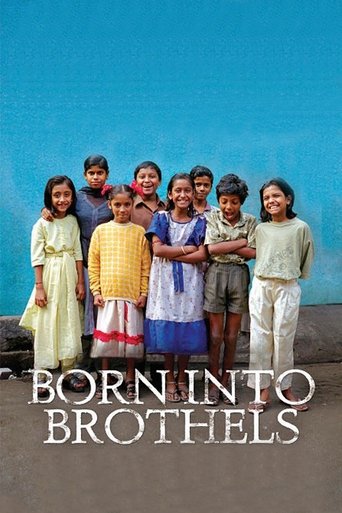
Documentary depicting the lives of child prostitutes in the red light district of Songachi, Calcutta. Director Zana Briski went to photograph the prostitutes when she met and became friends with their children. Briski began giving photography lessons to the children and became aware that their photography might be a way for them to lead better lives.