

Killing Time
Documentary
Overview
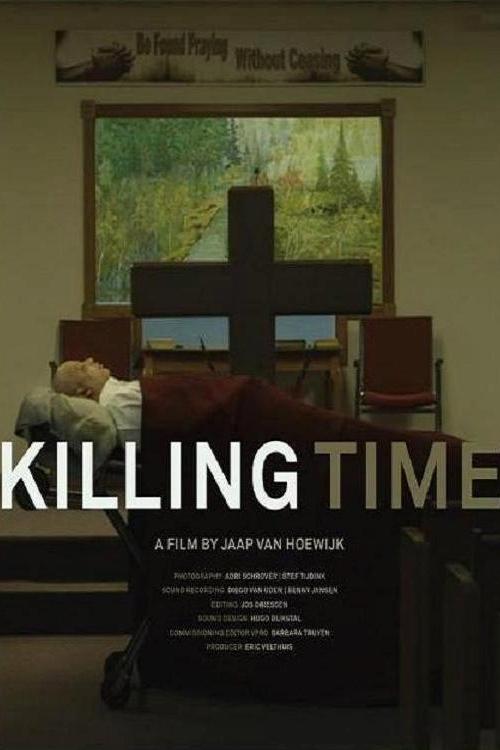
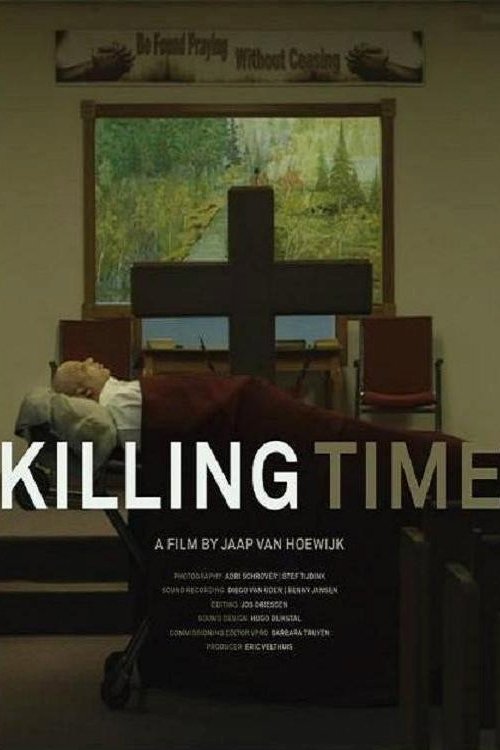
6 February 1998, Port Arthur, Texas: Erin is home alone. She is about to watch a film when a masked man suddenly appears in the living room. She thinks it’s a friend joking around. 12 June 2013, Huntsville, Texas: In Huntsville State Penitentiary, preparations are underway for execution #499. A little after 6pm, Elroy Chester will be executed by lethal injection for the rape of Erin and Claire DeLeon and the murder of their uncle, fireman Billy Ryman. Killing Time reconstructs an old murder, and shows the impact on the family members and victims during the day of execution. The family of the victims and the prisoner, the guards in the towers, the pastors, the journalists, the handful of demonstrators: everyone has his own way of killing the last few hours of Elroy Chester’s life. Where one yearns for the long-anticipated closure of the case, the other faces oblivion







No cast information.
Similar Movies
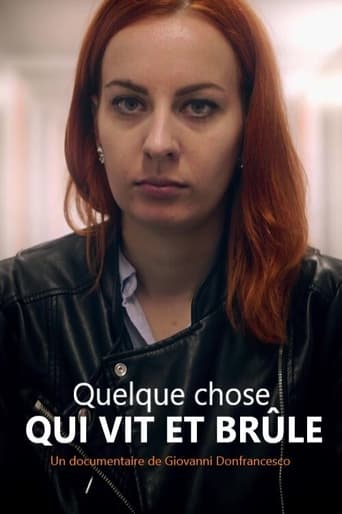
"Letters from Europe" brings to light the words of men and women who gave their lives resisting the Nazi and fascist conquest from 1939 to '45 across the European continent. The moving goodbyes penned by a few of those sentenced to death are sometimes true spiritual testaments that explore the meaning of civic responsibility, human existence, fraternity, and life and death. Their words, which the film mingles with footage of the present day, can perhaps restore meaning to a humanist ideal and to the ever-changing idea of a united Europe.

British documentarian Nick Broomfield creates a follow-up piece to his 1992 documentary of the serial killer Aileen Wuornos, a highway prostitute who was convicted of killing six men in Florida between 1989 and 1990. Interviewing an increasingly mentally unstable Wuornos, Broomfield captures the distorted mind of a murderer whom the state of Florida deems of sound mind -- and therefore fit to execute. Throughout the film, Broomfield includes footage of his testimony at Wuornos' trial.
The full-length television documentary, using currently found audio-visual records, tells the story of the fabricated political process from November 1952, the story of its victims and its masterminds. At its end, 11 executed high-ranking officials of the Communist Party of the Czech Republic, committed to the communist party, who mechanically "recited" memorized confessions and accusations of "accomplices", former friends and colleagues in front of the court in response to prearranged questions from the prosecutors and judges.
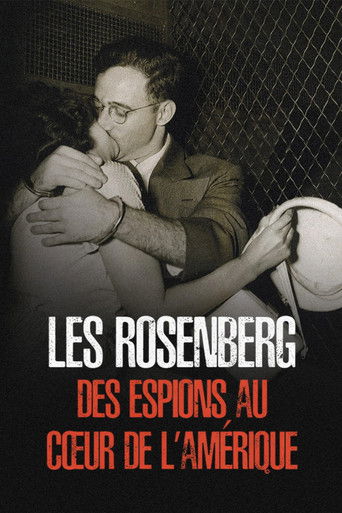
Based on testimony by Ethel’s brother, David Greenglass, the Rosenbergs are arrested by the FBI. The couple is accused of passing secret information about the atomic bomb to the USSR. Though the Rosenbergs maintain their innocence from the start, the media and public opinion seem to have condemned them from day one. The trial does nothing to change this and ends in a death sentence. On Friday June 19, 1953, Julius and Ethel Rosenberg are executed in the electric chair. Julius first, then Ethel. 30 years later, the truth finally comes out. Declassified FBI archives reveal that Ethel was not guilty of being a spy; she was merely married to one. Julius did indeed commit espionage for the Soviet Union, though primarily as a recruiter, nothing at all like the fictional James Bond. This documentary, made entirely of archival footage and animated illustrations, offers a tale of espionage as well as a complex family tragedy.
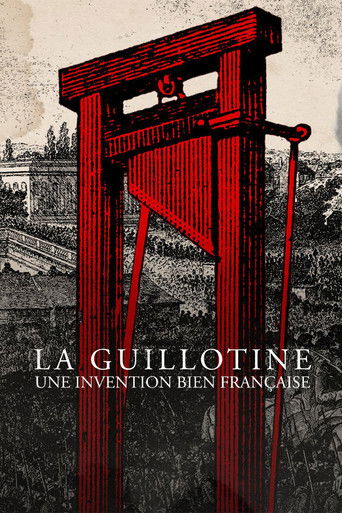
Forty years after the abolition of the death penalty in France, voted on September 18, 1981, the guillotine remains in the collective imagination as the instrument of the death sentence. This machine, developed during the Revolution to render justice more equal, was presented as progress. Over time, opinion has been divided on the subject of the death penalty, the guillotine becoming the object of man's cruelty, a remnant of an archaic way of dispensing justice and fuelling the many debates around the death penalty and its abolition.
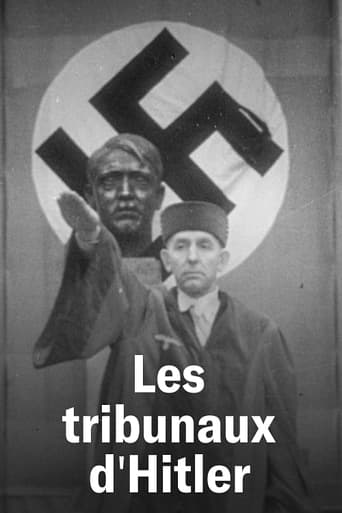
The destruction of the traditional legal system is probably one of the lesser-known yet essential goals of the Nazi state. The aim was to establish the supremacy of the "people's community" over the individual by subjugating the judicial system. The documentary looks at the careers of four people who were actively involved or became victims.