

Les Tribunaux d'Hitler
Documentary · History · TV Movie
Overview
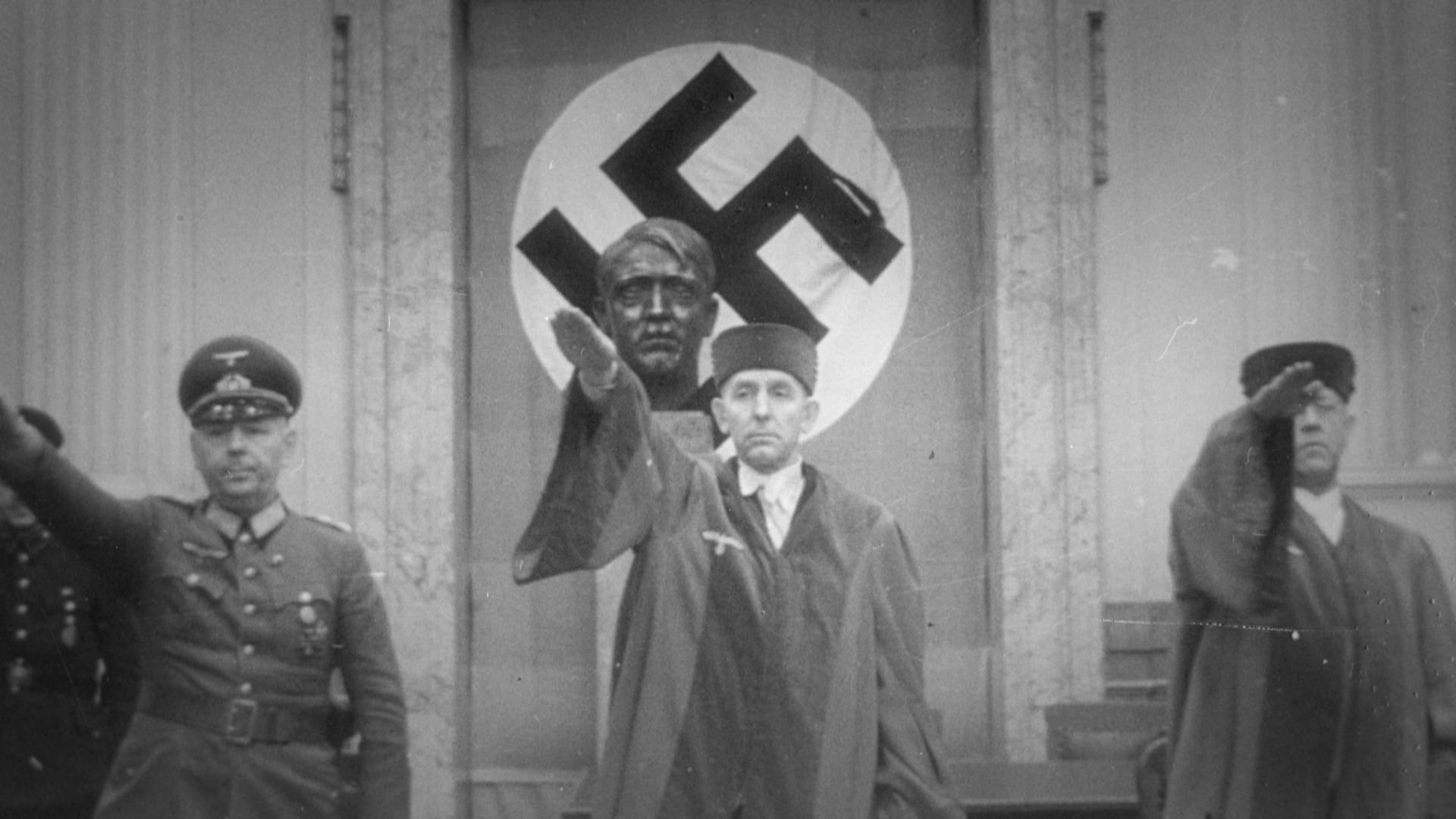
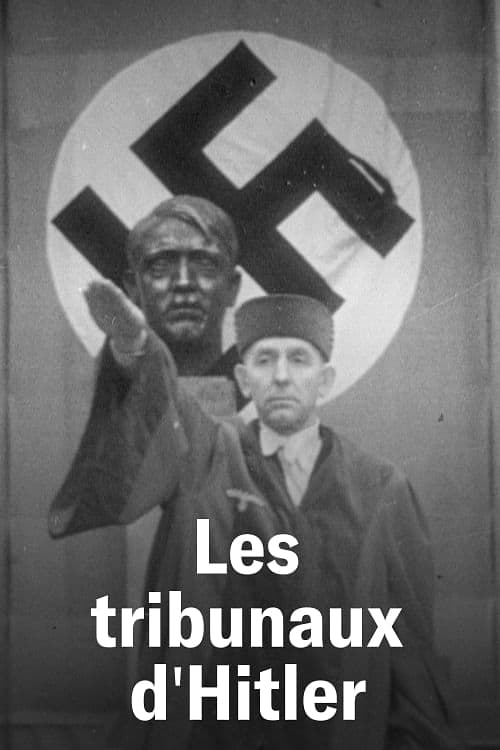
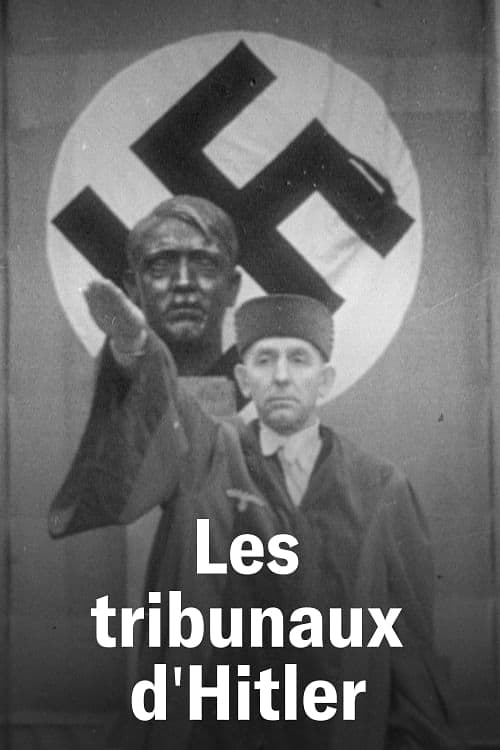
The destruction of the traditional legal system is probably one of the lesser-known yet essential goals of the Nazi state. The aim was to establish the supremacy of the "people's community" over the individual by subjugating the judicial system. The documentary looks at the careers of four people who were actively involved or became victims.







No cast information.
Similar Movies
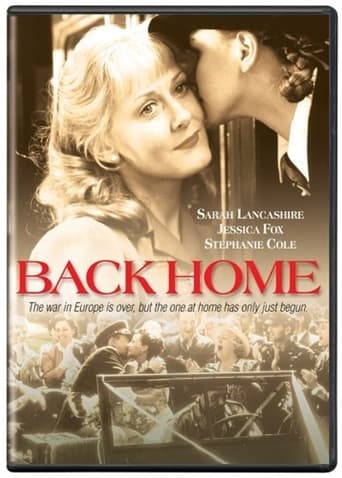
The war in Europe is over, but the one at home has only just begun. The Second World War is ending and throughout Britain, evacuees are returning home to their families - but not the families they remember. Like so many other women, Peggy’s life has been transformed by the war. Living and working with good friends, she is happier than she has been for years. Yet Peggy’s life is not the only one changed by the war. Her daughter, Rusty, has just returned from the U.S., where she has been living as an evacuee for the last five years. After so long abroad, her home in England has become unrecognizable. Just as Peggy begins to restore normal family bonds, her husband returns from the war, damaged and desperate to make everything as it was before. Adapted from the novel by Michelle Magorian, author of Goodnight, Mister Tom, Back Home is the story of a family who struggle to make sense of their new lives in a world irrevocably altered by the far-reaching effects of war.

6 February 1998, Port Arthur, Texas: Erin is home alone. She is about to watch a film when a masked man suddenly appears in the living room. She thinks it’s a friend joking around. 12 June 2013, Huntsville, Texas: In Huntsville State Penitentiary, preparations are underway for execution #499. A little after 6pm, Elroy Chester will be executed by lethal injection for the rape of Erin and Claire DeLeon and the murder of their uncle, fireman Billy Ryman. Killing Time reconstructs an old murder, and shows the impact on the family members and victims during the day of execution. The family of the victims and the prisoner, the guards in the towers, the pastors, the journalists, the handful of demonstrators: everyone has his own way of killing the last few hours of Elroy Chester’s life. Where one yearns for the long-anticipated closure of the case, the other faces oblivion

Danton and Robespierre were close friends and fought together in the French Revolution, but by 1793 Robespierre was France's ruler, determined to wipe out opposition with a series of mass executions that became known as the Reign of Terror. Danton, well known as a spokesman of the people, had been living in relative solitude in the French countryside, but he returned to Paris to challenge Robespierre's violent rule and call for the people to demand their rights. Robespierre, however, could not accept such a challenge, even from a friend and colleague, and he blocked out a plan for the capture and execution of Danton and his allies.
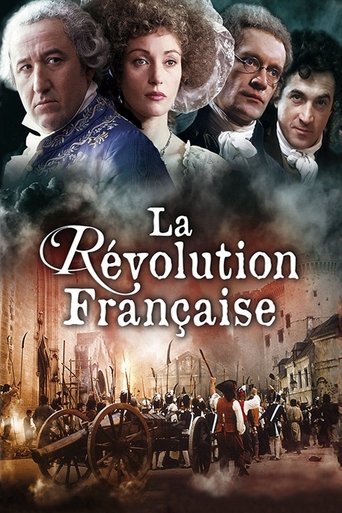
A history of the French Revolution beginning from the decision of the king to convene the Etats-Generaux in 1789 in order to deal with France's debt problem. Part one spans the event until August 10, 1792 (when the King Louis XVI lost all authority and was imprisoned). Part two carries the story through the end of the terror in 1794.
The crew of kontroll.hu traveled to Transcarpathia, Ukraine, to film among orphaned children in Munkács and lonely elders in Tiszakeresztúr. The documentary follows a single day in the life of Reverend József Sipos, a Reformed pastor whose calling extends far beyond the pulpit. From abandoned hospital wards to remote village homes, he brings words of comfort, food, and aid to those left behind in the shadow of the Russian–Ukrainian war. Just a mile and a half from the Hungarian border—a mile and a half from peace—the film reveals the stark reality of life lived on the very edge of hope.
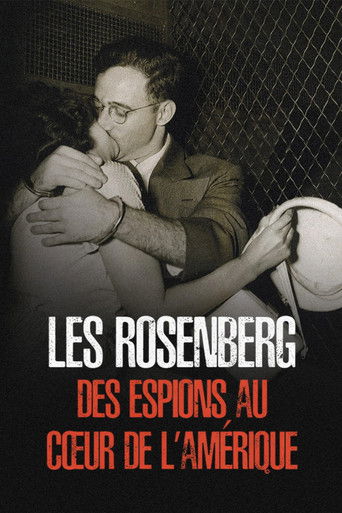
Based on testimony by Ethel’s brother, David Greenglass, the Rosenbergs are arrested by the FBI. The couple is accused of passing secret information about the atomic bomb to the USSR. Though the Rosenbergs maintain their innocence from the start, the media and public opinion seem to have condemned them from day one. The trial does nothing to change this and ends in a death sentence. On Friday June 19, 1953, Julius and Ethel Rosenberg are executed in the electric chair. Julius first, then Ethel. 30 years later, the truth finally comes out. Declassified FBI archives reveal that Ethel was not guilty of being a spy; she was merely married to one. Julius did indeed commit espionage for the Soviet Union, though primarily as a recruiter, nothing at all like the fictional James Bond. This documentary, made entirely of archival footage and animated illustrations, offers a tale of espionage as well as a complex family tragedy.