


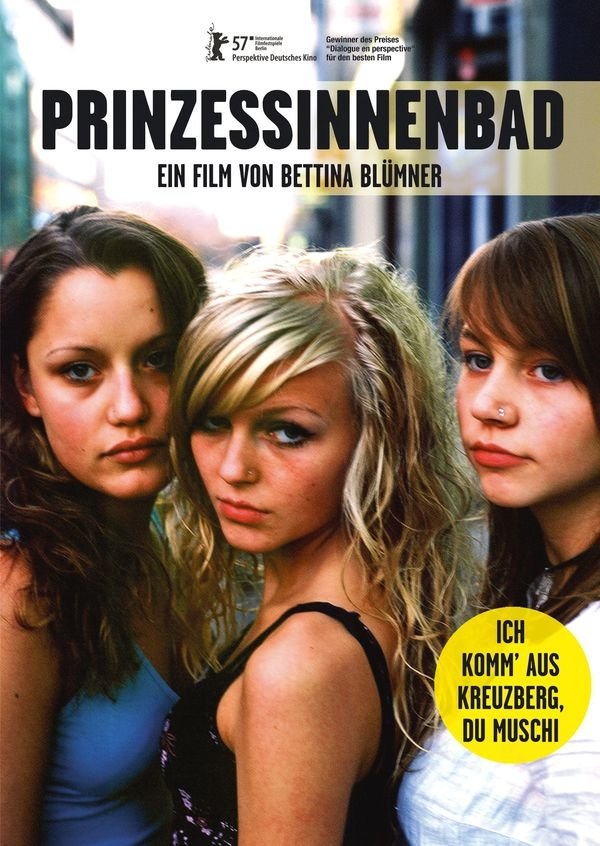
Prinzessinnenbad
Documentary
Overview
A film about three teenagers - Klara, Mina and Tanutscha - from the Berlin district of Kreuzberg. The trio have known each other since Kindergarten and have plenty in common. The three 15-year-olds are the best of friends; they are spending the summer at Prinzenbad, a large open-air swimming pool at the heart of the district where they live. They're feeling pretty grown up, and are convinced they've now left their childhood behind.
Top Cast









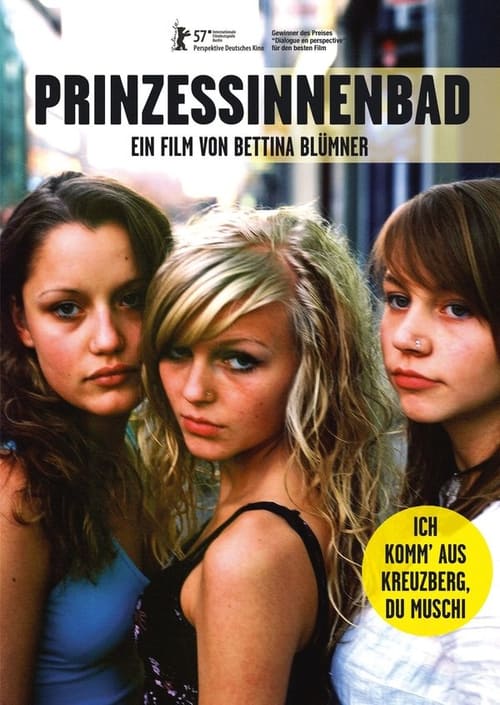
Klara Reinacher
Klara Reinacher
herself
Klara Reinacher
herself
Mina Bowling
Mina Bowling
herself
Mina Bowling
herself
Tanutscha Glowasz
Tanutscha Glowasz
herself
Tanutscha Glowasz
herself
George-Daniel Thelitz
George-Daniel Thelitz
himself
George-Daniel Thelitz
himself
Similar Movies
24 hours at the Berlin traffic accident standby service. The frequency of accidents on the streets of the capital of the German Democratic Republic (GDR) becomes apparent, including inappropriate and increased speed, pedestrian errors, failure to give way and driving under the influence of alcohol. Major Busse, the head of the Berlin Traffic Accident Investigation Unit, raises the question of whether the GDR has developed its own kind of driving. The camera provides interesting insights into the carelessness and aggressiveness of road users, which can lead to serious injuries and deaths
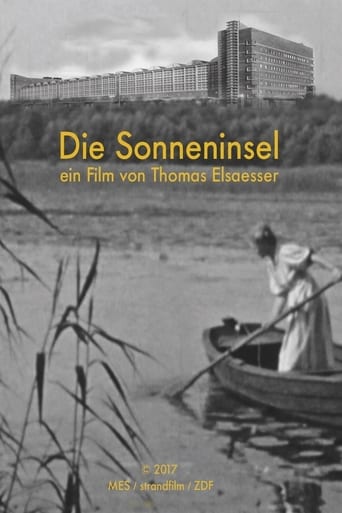
A documentary essay film about coincidences, shattered lives and posthumous fame. A found footage family film about love and passion, friendship and heartbreak in Berlin between the wars. But a film also about self-sufficiency and recycling, about the green movement and the environment – before these notions had yet been properly invented. And it touches the utopian potential of ideas that have lain buried in the ground of an island for the past 70 years. The film’s protagonist, Martin Elsaesser, was one of the most prominent modernist architects of Weimar Germany.
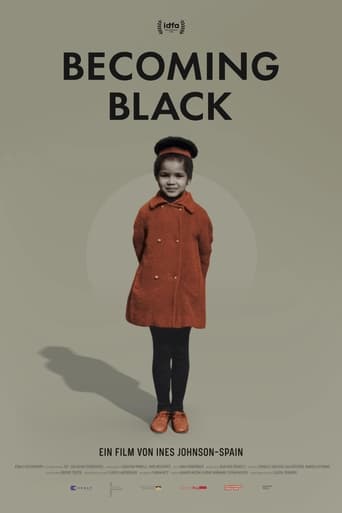
In the 1960s, a white couple living in East Germany tells their dark-skinned child that her skin color is merely a coincidence. As a teenager, she accidentally discovers the truth. Years before, a group of African men came to study in a village nearby. Sigrid, an East German woman, fell in love with Lucien from Togo and became pregnant. But she was already married to Armin. The child is Togolese-East German filmmaker Ines Johnson-Spain. In interviews with Armin and others from her childhood years, she tracks the astonishing strategies of denial her parents, striving for normality, developed following her birth. What sounds like fieldwork about social dislocation becomes an autobiographical essay film and a reflection on themes such as identity, social norms and family ties, viewed from a very personal perspective.
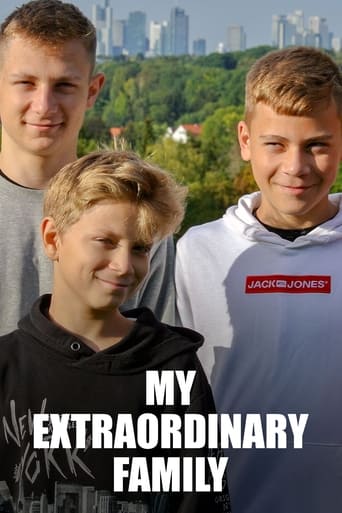
It is normal for 15-year-old Linn to have two mothers. But when she finds out that there are still numerous siblings, she realizes that she is part of an extraordinary extended family. Her father Eike not only had an appointment with Linn's mothers to donate sperm, Petra and Anny also have three children with him. A film crew followed this rainbow family for twelve years.