

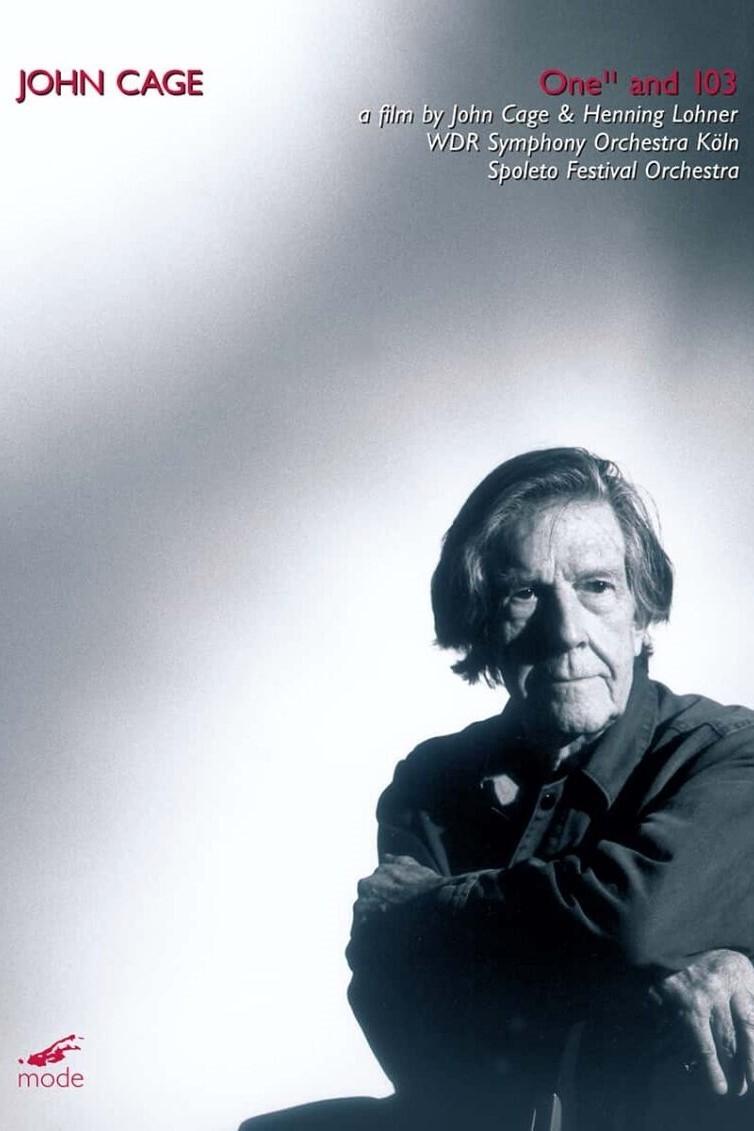
One 11 and 103
Music · Documentary
Overview
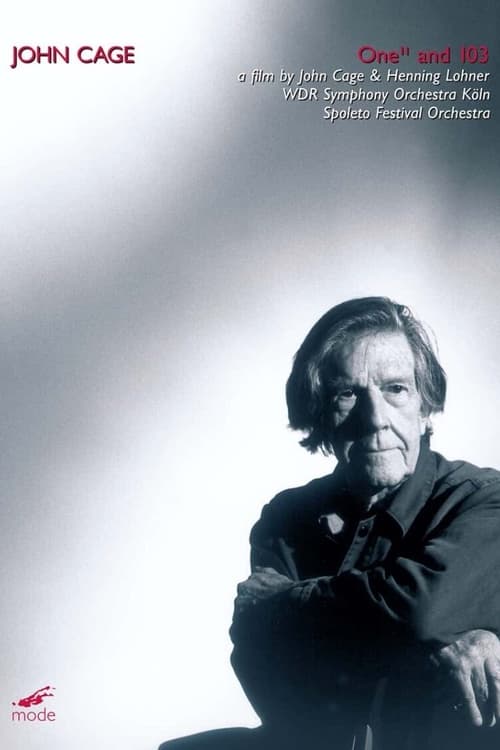
Avant-garde composer John Cage is famous for his experimental pieces and "chance music" but temporarily branched into video in 1992 with this art film about meaningless activity. The work is composed of two segments that are supposed to be played simultaneously: "One 11" contains the artistic statement, and "103" is a 17-part orchestral piece. Also included is a revealing documentary about Cage and director Henning Lohner.
Top Cast






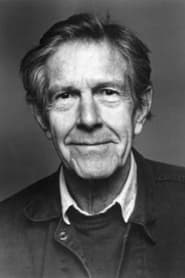
John Cage
John Cage
John Cage
Similar Movies

A thoroughly researched biopic of Charles Ives, America's greatest and most innovative composer (and insurance executive), who combined strikingly futuristic experimentalism with gentle nostalgia. Includes narration taken directly from Ives's own writings, and reminiscence from those who knew him.
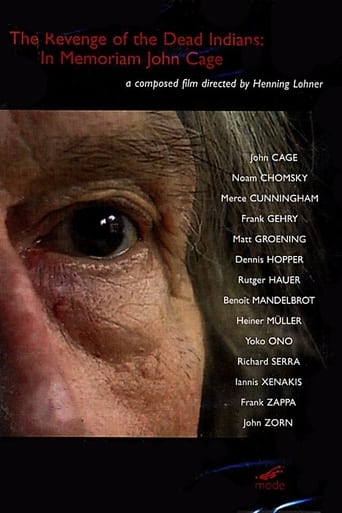
This is a full-length documentary honoring the life and work of American composer and artist John Cage. Cage is considered one of the most influential composers of the 20th century. This documentary features interviews with various personalities from different fields as they introduce us to the life and work of this great American artist.
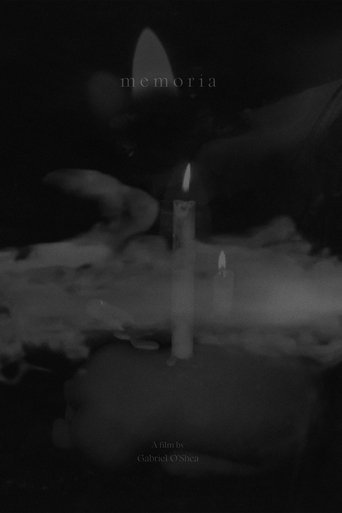
Surrendering the mind to the hypnotic dance of fire, a candle's glimmer reveals dreamlike memories, illustrated by flickering fragments of experimental films that overlap alongside a deconstructed soundscape. Entering a hallucinatory state in a haunted ambience, one's own subconscious is put on display.
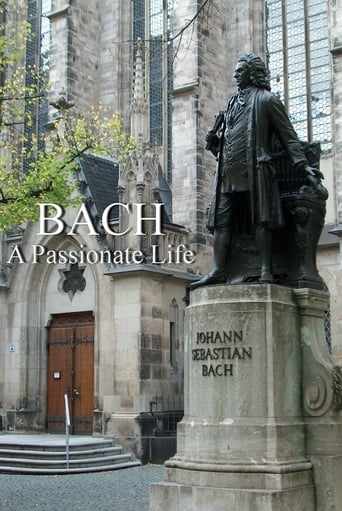
John Eliot Gardiner goes in search of Bach the man and the musician. The famous portrait of Bach portrays a grumpy 62-year-old man in a wig and formal coat, yet his greatest works were composed 20 years earlier in an almost unrivalled blaze of creativity. We reveal a complex and passionate artist; a warm and convivial family man at the same time a rebellious spirit struggling with the hierarchies of state and church who wrote timeless music that is today known world-wide. Gardiner undertakes a 'Bach Tour' of Germany, and sifts the relatively few clues we have - some newly-found. Most of all, he uses the music to reveal the real Bach.
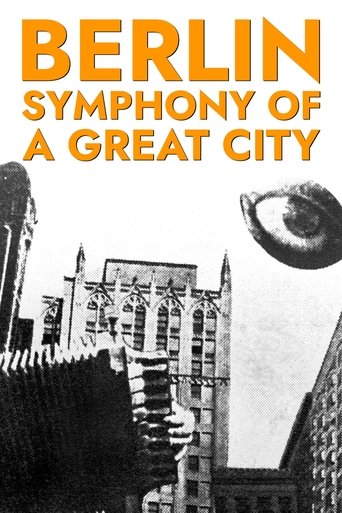
A day in the city of Berlin, which experienced an industrial boom in the 1920s, and still provides an insight into the living and working conditions at that time. Germany had just recovered a little from the worst consequences of the First World War, the great economic crisis was still a few years away and Hitler was not yet an issue at the time.