


Hats Off
Music · Comedy
Overview
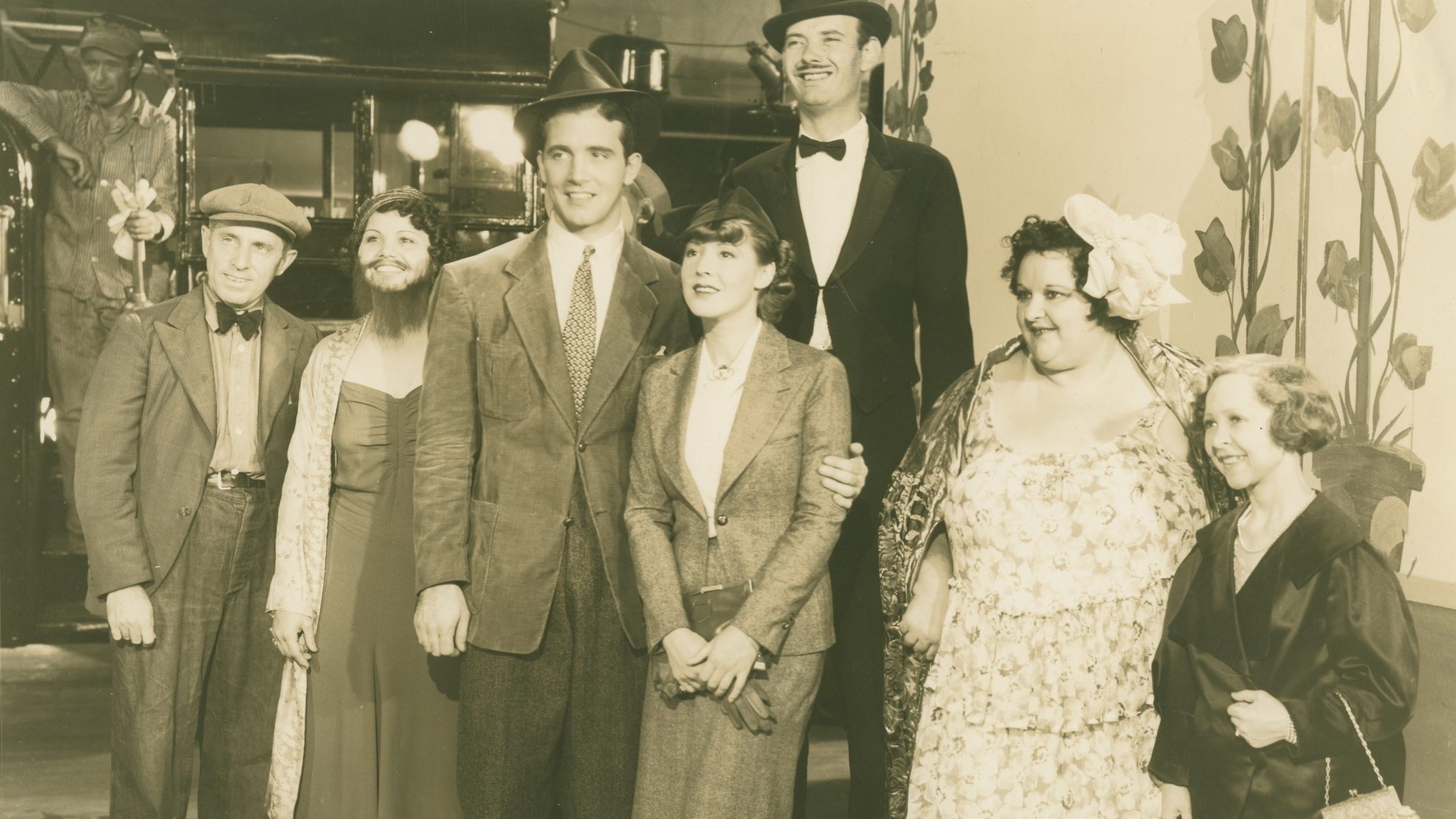
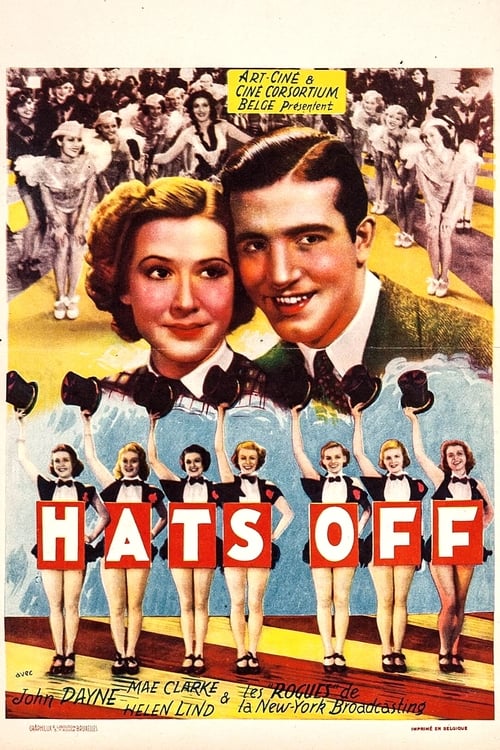
The first musical comedy from the Grand National assembly line, Hats Off stars John Payne and Mae Clarke as rival press agents Jimmy Maxwell and Jo Allen. Both have been assigned to stir up publicity for separate expositions at the 1936 Texas Centennial (newsreel footage of which predominates throughout the film's short running time). To throw Jimmy off the track, Jo pretends to be a schoolteacher, but by the time the ruse has been revealed, the two leading characters have fallen in love.





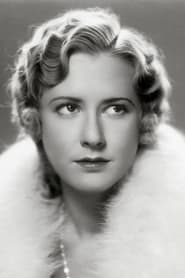
Mae Clarke
Mae Clarke
Mary Jo Allen
Mae Clarke
Mary Jo Allen

John Payne
John Payne
Jimmy Maxwell
John Payne
Jimmy Maxwell

Helen Lynd
Helen Lynd
Ginger Connolly
Helen Lynd
Ginger Connolly
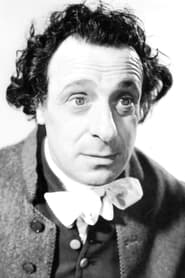
Luis Alberni
Luis Alberni
Caesar Rosero
Luis Alberni
Caesar Rosero
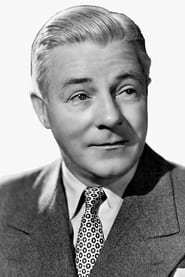
Richard 'Skeets' Gallagher
Richard 'Skeets' Gallagher
Buzz Morton
Richard 'Skeets' Gallagher
Buzz Morton
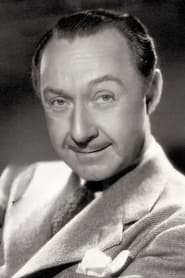
Franklin Pangborn
Franklin Pangborn
Mr. Churchill
Franklin Pangborn
Mr. Churchill
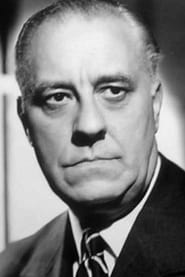
Robert Middlemass
Robert Middlemass
Tex Connelly
Robert Middlemass
Tex Connelly
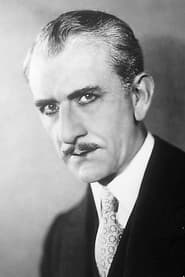
George Irving
George Irving
J.D. Murdock
George Irving
J.D. Murdock
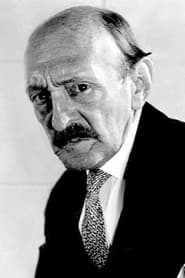
Clarence Wilson
Clarence Wilson
C.D. Pottingham
Clarence Wilson
C.D. Pottingham
Ernie Stanton
Ernie Stanton
Secretary
Ernie Stanton
Secretary
Similar Movies
Mike and Danny fly a cropduster, but because of Danny's gambling debts, a local sheriff takes custody of it. Trying to earn money, they hitch-hike to the World's Fair in Seattle and, while Danny tries to earn money playing poker, Mike takes care of a small girl whose father has disappeared. Being a ladies' man, he also finds the time to court a young nurse.
Andy Clark discovers he was cheated out of a half interest in partner Mike's business, now a thriving dance hall in 1892 Chicago. Unable to win it back, Andy schemes to make Mike's position untenable. He also hopes to turn Ruby Summers, Mike's motor-mouthed burlesque queen, into a classier entertainer, and incidentally to make her his own. But at the last minute, Andy's revenge comes unravelled.
In 1900, the eyes of the whole world are on Paris. The World's Fair welcomed 50 million amazed visitors, and the city celebrated itself in a glamorous era. This period went down in history as the "Belle Époque." Elaborately restored and colorized historical photographs bring to life the exciting life in Paris between the end of the 19th century and the beginning of World War I in 1914. Bicycles, cars, airplanes, moving pictures, newly founded film studios, revolutionary composers and painters, avant-garde ballet performances, fashion houses, summer resorts on the Atlantic coast – life was intoxicating. People celebrate in the variety shows, cabarets, and revue theaters of Paris. Moulin Rouge, Folies Bergères, Bal Tabarin—in Paris, the nights are long and life is too short to sleep through. It is a dance on the volcano, given the political developments in the world.
Behind the iconic Eiffel Tower lies the story of an incredible challenge to erect a thousand-foot tower that went far beyond a design competition, and marked a major turning point in engineering history. It was the beginning of radical transformation where iron was pitted against stone, engineering against architecture, and modern design against ancients. Press campaigns, lobbying, public conferences, denigration of opposing projects, bragging about big names - all participants engaged in a fierce battle without concession. Using 3D recreations, official sources (reports, letters, drawings...) and intimate archives obtained from their descendants, this film will bring to life this vertical race through a fresh and visual way to mark the centenary of Eiffel death.
This documentary let us to relive the challenge of the men behind the 1967 Universal Exposition in Montréal, Canada. By searching trough 80,000 archival documents at the national Archives, they managed to bring light on one of the biggest logistical and political challenges that were faced by organizers during the "Révolution Tranquille" in the Québec sixties. Includes the accounts of the Chief of Advertising Yves Jasmin, and businessman Philippe de Gaspé Beaubien.

Throughout the 19th century, imaginative and visionary artists and inventors brought about the advent of a new look, absolutely modern and truly cinematographic, long before the revolutionary invention of the Lumière brothers and the arrival of December 28, 1895, the historic day on which the first cinema performance took place.