

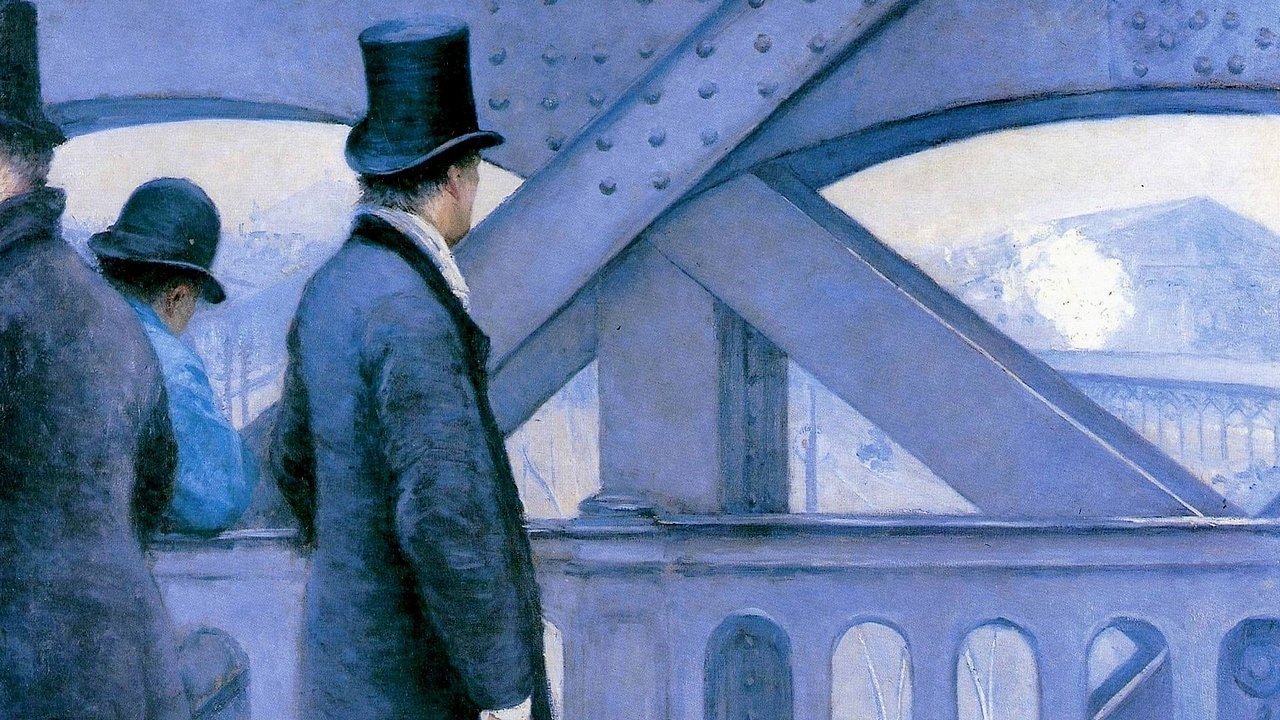

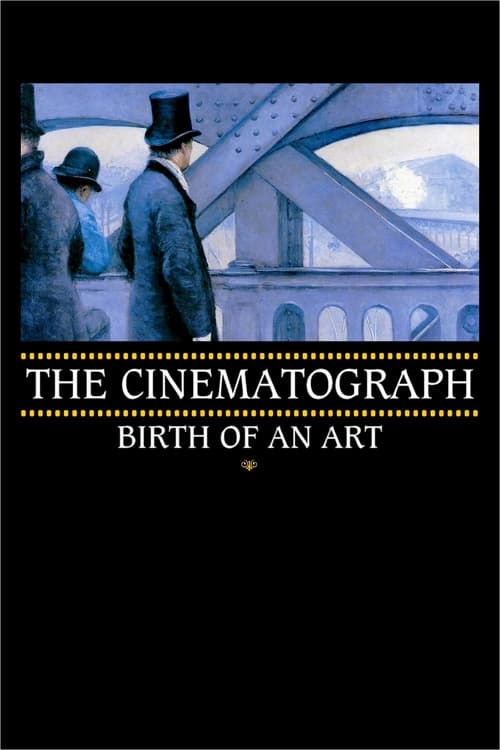
The Cinematograph: Birth of an Art
Documentary · History · TV Movie
Overview
Throughout the 19th century, imaginative and visionary artists and inventors brought about the advent of a new look, absolutely modern and truly cinematographic, long before the revolutionary invention of the Lumière brothers and the arrival of December 28, 1895, the historic day on which the first cinema performance took place.
Top Cast

Vimala Pons
Self - Narrator (voice)

Bertrand Lemoine
Self - Architecture Historian
Vanessa Schwartz
Self - Art Historian

Tacita Dean
Self - Artist
Paul Perrin
Self - Painting Curator
Mark Lewis
Self - Artist
Dominique Païni
Self - Film Curator
Marie Robert
Self - Photo Curator

Thierry Frémaux
Self - Institut Lumière Director

Christian Petzold
Self - Filmmaker
Olivier Assayas
Self - Filmmaker




Vimala Pons
Vimala Pons
Self - Narrator (voice)
Vimala Pons
Self - Narrator (voice)
Bertrand Lemoine
Bertrand Lemoine
Self - Architecture Historian
Bertrand Lemoine
Self - Architecture Historian
Vanessa Schwartz
Vanessa Schwartz
Self - Art Historian
Vanessa Schwartz
Self - Art Historian
Tacita Dean
Tacita Dean
Self - Artist
Tacita Dean
Self - Artist
Paul Perrin
Paul Perrin
Self - Painting Curator
Paul Perrin
Self - Painting Curator
Mark Lewis
Mark Lewis
Self - Artist
Mark Lewis
Self - Artist
Dominique Païni
Dominique Païni
Self - Film Curator
Dominique Païni
Self - Film Curator
Marie Robert
Marie Robert
Self - Photo Curator
Marie Robert
Self - Photo Curator
Thierry Frémaux
Thierry Frémaux
Self - Institut Lumière Director
Thierry Frémaux
Self - Institut Lumière Director
Christian Petzold
Christian Petzold
Self - Filmmaker
Christian Petzold
Self - Filmmaker
Similar Movies

This documentary about legendary French chanteuse Edith Piaf begins at her birth (which was helped along by a cop), travels through her turbulent romantic history, follows her to the pinnacle of her success and reports on her death. Piaf was queen of the torch song, her plaintive wail speaking volumes of the tragedy and joy she'd faced. Hers wasn't exactly, in the words of one of her famous songs, "La Vie En Rose," but it was quite a life.
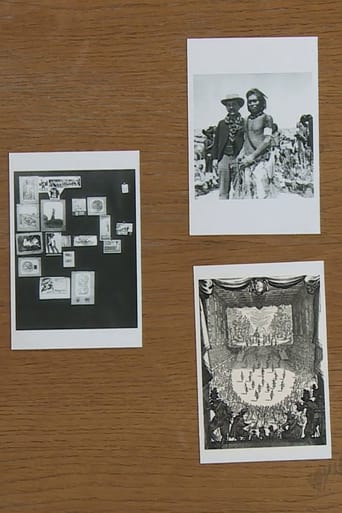
To be in Venice and see the architecture of New York, to perceive in a painting by Tintoretto the birth of animated images, to look at the burlesque Cretinetti as the ancestor of montage - so many shifts, displacements, and striking telescopings that Philippe-Alain Michaud proposes in this film dedicated to him. To follow this art historian, curator of the cinema collections at the Centre Pompidou, is to go from the oriental carpet to the film, or from the first fireworks to the cinema. And everywhere the animation of the images - projections of Antony McCall, or of Paul Sharits, Column without end of Brancusi, Pasolini's Accatone - everything moves! Under the tutelage of Aby Warburg, the great art historian of the early twentieth century, precursor of iconology and image comparison, to whom Philippe-Alain Michaud was the first in France to devote an important essay, eleven images are placed on the table to describe the singular journey of this art historian.
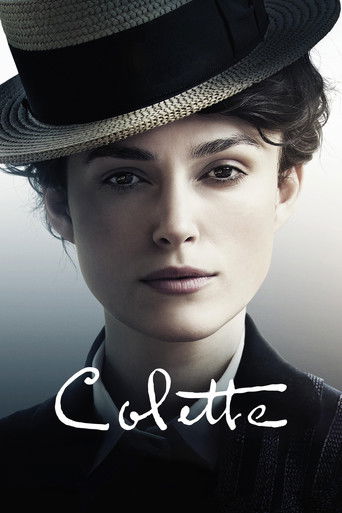
After marrying a successful Parisian writer known commonly as Willy, Sidonie-Gabrielle Colette is transplanted from her childhood home in rural France to the intellectual and artistic splendor of Paris. Soon after, Willy convinces Colette to ghostwrite for him. She pens a semi-autobiographical novel about a witty and brazen country girl named Claudine, sparking a bestseller and a cultural sensation. After its success, Colette and Willy become the talk of Paris and their adventures inspire additional Claudine novels.

The Victorian era is often cited for its lack of sexuality, but as this documentary reveals, the period's artists created a strong tradition surrounding the classical nude figure, which spread from the fine arts to more common forms of expression. The film explains how 19th-century artists were inspired by ancient Greek and Roman works to highlight the naked form, and how that was reflected in the evolving cultural attitudes toward sex.

Born in Berlin in 1896, Lotte Eisner became famous for her passionate involvement in the world of both German and French cinema. In 1936, together with Henri Langlois, she founded the Cinémathèque Française with the goal of saving from destruction films, costumes, sets, posters, and other treasures of the 7th Art. A Jew exiled in Paris, she became a pillar of the capital's cultural scene, where she promoted German cinema.