

Eiffel's Race to the Top
Documentary · History
Overview
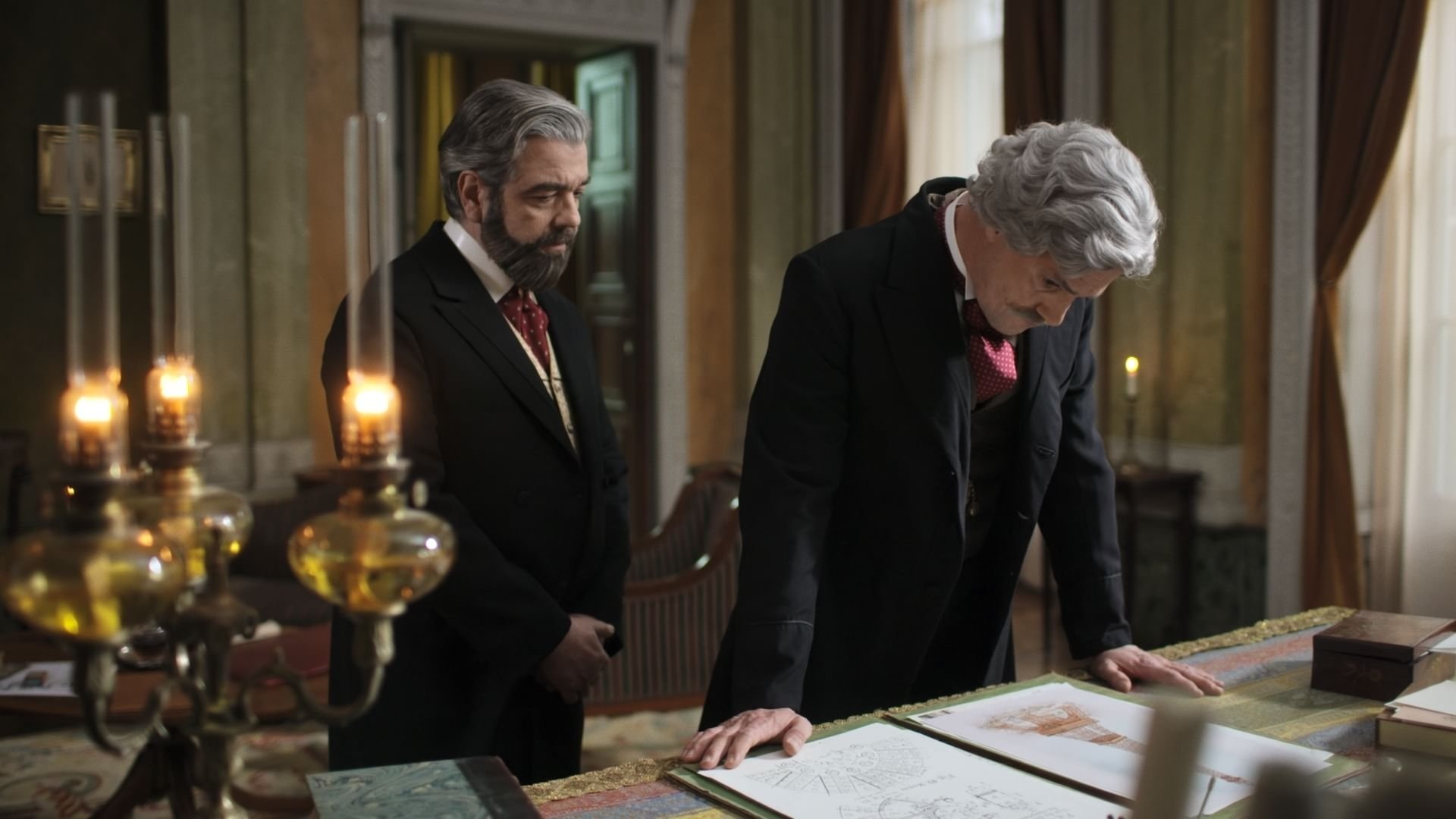
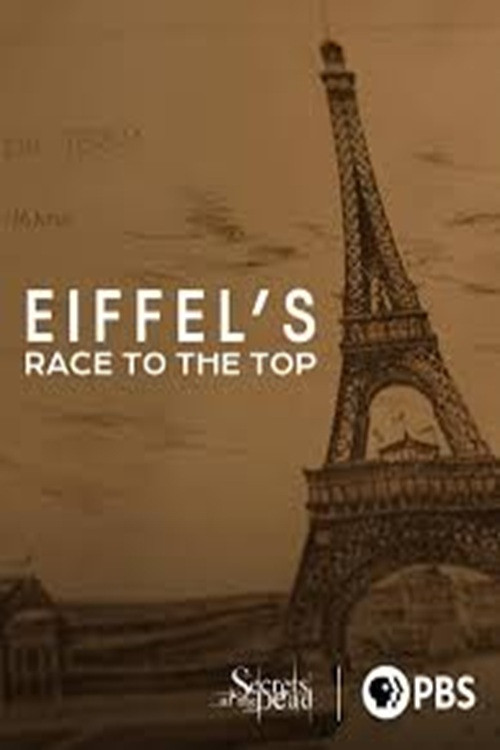
Behind the iconic Eiffel Tower lies the story of an incredible challenge to erect a thousand-foot tower that went far beyond a design competition, and marked a major turning point in engineering history. It was the beginning of radical transformation where iron was pitted against stone, engineering against architecture, and modern design against ancients. Press campaigns, lobbying, public conferences, denigration of opposing projects, bragging about big names - all participants engaged in a fierce battle without concession. Using 3D recreations, official sources (reports, letters, drawings...) and intimate archives obtained from their descendants, this film will bring to life this vertical race through a fresh and visual way to mark the centenary of Eiffel death.
Top Cast

Marc Citti
Gustave Eiffel

François Rabette
Jules Bourdais

Léa Schwartz
Claire Eiffel

Régis Royer
Charles Garnier

Étienne Launay
Maurice Koechlin

Édouard Michelon
Émile Nouguier

Romans Suarez-Pazos
Édouard Lockroy

Cédric Zimmerlin
Amédée Sébillot
Luc-Emmanuel Betton
Gustave Ferrié
Bruno Ricci
Émile Trelat

Christophe Reymond
Jean-Louis Pascal
Laurent Lafuma
Joseph-Antoine Bouvard






Marc Citti
Marc Citti
Gustave Eiffel
Marc Citti
Gustave Eiffel
François Rabette
François Rabette
Jules Bourdais
François Rabette
Jules Bourdais
Léa Schwartz
Léa Schwartz
Claire Eiffel
Léa Schwartz
Claire Eiffel
Régis Royer
Régis Royer
Charles Garnier
Régis Royer
Charles Garnier
Étienne Launay
Étienne Launay
Maurice Koechlin
Étienne Launay
Maurice Koechlin
Édouard Michelon
Édouard Michelon
Émile Nouguier
Édouard Michelon
Émile Nouguier
Romans Suarez-Pazos
Romans Suarez-Pazos
Édouard Lockroy
Romans Suarez-Pazos
Édouard Lockroy
Cédric Zimmerlin
Cédric Zimmerlin
Amédée Sébillot
Cédric Zimmerlin
Amédée Sébillot
Luc-Emmanuel Betton
Luc-Emmanuel Betton
Gustave Ferrié
Luc-Emmanuel Betton
Gustave Ferrié
Bruno Ricci
Bruno Ricci
Émile Trelat
Bruno Ricci
Émile Trelat
Similar Movies
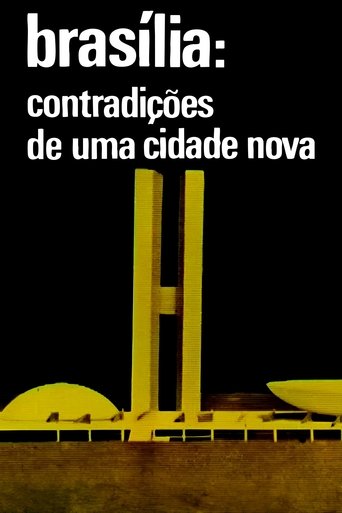
In 1967, de Andrade was invited by the Italian company Olivetti to produce a documentary on the new Brazilian capital city of Brasília. Constructed during the latter half of the 1950s and founded in 1960, the city was part of an effort to populate Brazil’s vast interior region and was to be the embodiment of democratic urban planning, free from the class divisions and inequalities that characterize so many metropolises. Unsurprisingly, Brasília, Contradições de uma Cidade Nova (Brasília, Contradictions of a New City, 1968) revealed Brasília to be utopic only for the wealthy, replicating the same social problems present in every Brazilian city. (Senses of Cinema)
The true story of the frightening, lonely world of silence and darkness of 7-year-old Helen Keller who, since infancy, has never seen the sky, heard her mother's voice or expressed her innermost feelings. Then Annie Sullivan, a 20-year-old teacher from Boston, arrives. Having just recently regained her own sight, the no-nonsense Annie reaches out to Helen through the power of touch, the only tool they have in common, and leads her bold pupil on a miraculous journey from fear and isolation to happiness and light.

In the final days of the American Civil War, an emigre Hungarian military officer attempts to map the situation of the enemy. Many veterans of the 1848 War of Independence in Hungary fought on the northern side. Experienced Fiala, Boldogh who struggles with homesickness and the reckless Vereczky all experience their enforced emigration in different ways and news of impending peace elicits different reactions from them all.
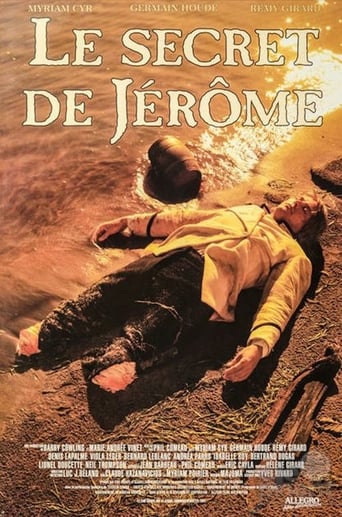
In 1863, when a legless, shipwrecked man washes up on the Acadian coast, he's taken to the home of Jean the Corsican, a burly and bitter former soldier, and his childless young wife, Julitte. The man, who is young, handsome, and well-dressed, remains mute as Julitte nurses him back to health. Jean, meanwhile, who is inexplicably estranged from Julitte and an outsider to townspeople, continues his hunt for pirate treasure, rumored to be hidden in a cave by the sea. The treasure is his ticket out of Acadia. As loneliness and Eros draw Julitte and the mysterious Jérôme together, something's got to give.
The architectural plans for Berlin from 1938 are used as an example to illustrate the fascist claim to power and its aesthetic effect. The basis for this was the "General Building Inspection" under the direction of Albert Speer, whose enormous projects are illustrated by planning models and archive photographs.
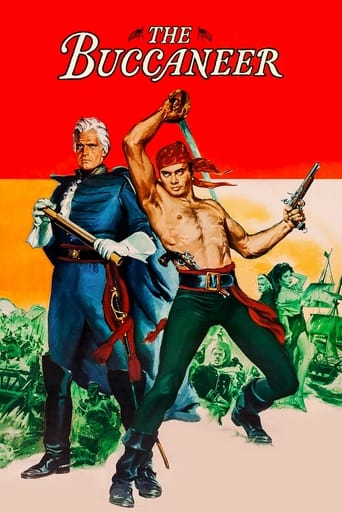
During the War of 1812 against Britain: General Andrew Jackson has only 1,200 men left to defend New Orleans when he learns that a British fleet will arrive with 60 ships and 16,000 men to take the city. In this situation an island near the city becomes strategically important to both parties, but it's inhabited by the last big buccaneer: Jean Lafitte. Although Lafitte never attacks American ships, the governor hates him for selling merchandise without taxes - and is loved by the citizens for the same reason. When the big fight gets nearer, Lafitte is drawn between the fronts. His heart belongs to America, but his people urge him to join the party that's more likely to win.