

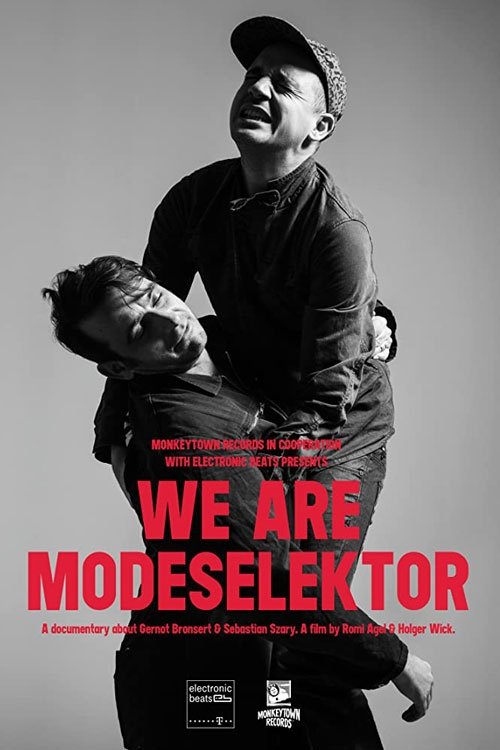
We Are Modeselektor
Documentary
Overview
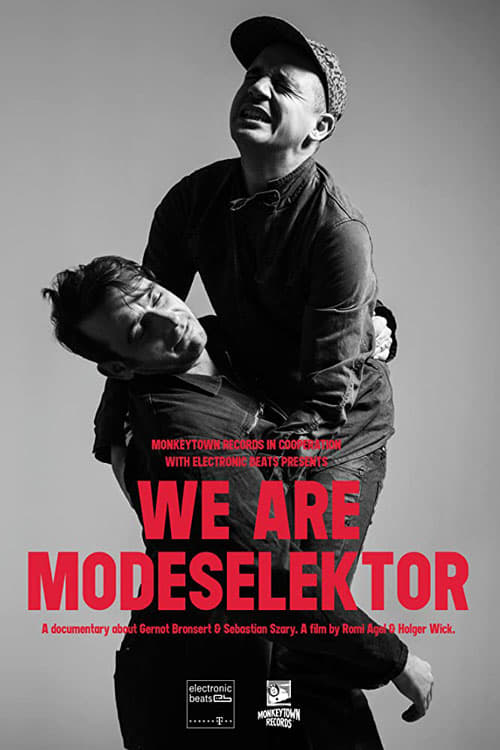
What’s the “Seilscheibenpfeiler”? What is the origin of the first Modeselektor tracks? Where is Monkeytown? Why is riding a coach more fun than flying? These and many more questions will be answered with the documentary film We Are Modeselektor. In 72 minutes, filmmakers Romi Agel and Holger Wick tell the story of Modeselektor as a post-German reunification movie, a travel report, and a portrait of the special friendship between Gernot Bronsert and Sebastian Szary all in one. We Are Modeselektor is the story of two men, possessed by techno, who took their massive beats from their small hometown village to the world. And it’s a story that has only just begun.
Top Cast




Gernot Bronsert
Gernot Bronsert
Gernot Bronsert
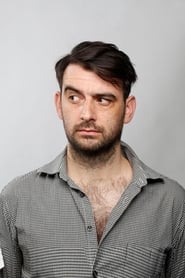
Sebastian Szary
Sebastian Szary
Sebastian Szary
Similar Movies
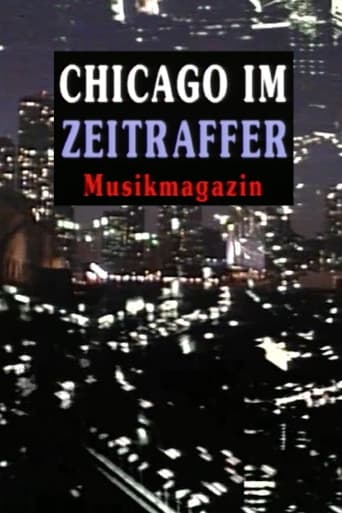
"At the beginning of the 19th century there is no Chicago. There was a fort that was set on fire by Indians shortly thereafter. Later, the turbulent expansion of a settlement began, which became a center for the immigrant workforce, traditional industry, slaughterhouses, and, in 1941, armaments for war. The Windy City on Lake Michigan is the fastest changing city in the world. This 35mm Arriflex film time-lapse footage is annotated with classic techno cuts and information about the tunnels under Chicago, the slaughterhouses, organized crime, Sears & Roebuck catalogs and other peculiarities of this strange city."

The film follows the inception of the movement, a meeting between ravers and the new age travellers during Thatcher's last days in power, and the explosive years that followed, leading up the infamous Castlemorton free festival in 1992 - the largest ever illegal rave, which provoked the drastic change of the laws of trespass with the notorious introduction of the Criminal Justice Act in 1994.
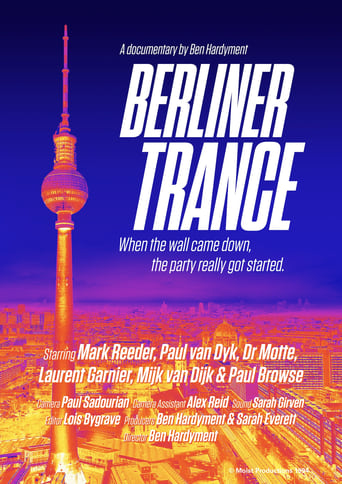
This lost classic, shot on 16mm in a wintry Berlin in 1993, explores the origins of the German trance scene. Featuring interviews with fresh-faced selectors including Laurent Garnier and MFS Records founder Mark Reeder, the documentary also feature footage from the city's iconic Love Parades in 1991 and 1993.
HIGH TECH SOUL is the first documentary to tackle the deep roots of techno music alongside the cultural history of Detroit, its birthplace. From the race riots of 1967 to the underground party scene of the late 1980s, Detroit's economic downturn didn't stop the invention of a new kind of music that brought international attention to its producers and their hometown.
Since 2013, the Casual Gabberz collective has been storming dancefloors and the stages of the biggest festivals with its gabber surge, that hardcore techno sound born in Holland in the 90s. Until a virus causes the planet to go haywire. And triggered an existential crisis within the collective.

The concept for the film was developed based on sociological research conducted as part of the Youth Subcultures conference in collaboration with the Institute of Sociology of the Slovak Academy of Sciences. The film’s core value lies in its ability to provide an inside look at selected subcultures, achieving an exceptional level of engagement with their members. The filmmakers managed to break through the participants' initial reluctance to openly discuss their experiences. The documentary directly addresses key aspects of these subcultures, including drugs, faith, and personal beliefs. It focuses on six specific groups: the techno scene, graffiti artists, antifascists, religiously oriented youth, skinheads, and young people inspired by Eastern spirituality. The film includes footage from illegal rave parties, graffiti sessions, and other underground activities. Overall, the documentary serves as an insightful map of Bratislava’s contemporary alternative scene.
An explosion in the underground music scene is met by massive investment into Tucson, Arizona. Documentarian, Ty Besh, followed the scene from 2016 to 2018 showing the vast changes that happened to the people, venues, and scene in just 2 years. This Documentary serves as an archive and also a reminder to everyone in the DIY scenes across the world that moments come and go.

At the end of the Cold War, something new arised that should influence an entire generation and express their attitude to life. It started with an idea in the underground subculture of Berlin shortly before the fall of the Wall. With the motto "Peace, Joy, Pancakes", Club DJ Dr. Motte and companions launched the first Love Parade. A procession registered as political demonstration with only 150 colorfully dressed people dancing to house and techno. What started out small developed over the years into the largest party on the planet with visitors from all over the world. In 1999, 1.5 million people took part. With the help of interviews with important organizers and contemporary witnesses, the documentary reflects the history of the Love Parade, but also illuminates the dark side of how commerce and money business increasingly destroyed the real spirit, long before the emigration to other cities and the Love Parade disaster of Duisburg in 2010, which caused an era to end in deep grief.