

Universal Techno
Documentary · Music
Overview
This French-produced 1996 documentary is an hour-long piece covering the history of techno music from Detroit to Berlin Sheffield.





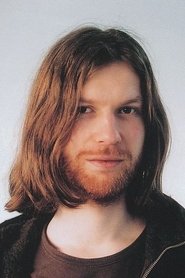
Aphex Twin
Aphex Twin
Aphex Twin
Juan Atkins
Juan Atkins
Juan Atkins
Mike Banks
Mike Banks
Mike Banks
Ken Ishii
Ken Ishii
Ken Ishii
Abdul Haqq
Abdul Haqq
Abdul Haqq
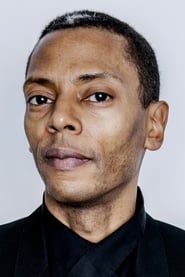
Jeff Mills
Jeff Mills
Jeff Mills

Sven Väth
Sven Väth
Sven Väth
Derrick May
Derrick May
Derrick May
Similar Movies

The film follows the inception of the movement, a meeting between ravers and the new age travellers during Thatcher's last days in power, and the explosive years that followed, leading up the infamous Castlemorton free festival in 1992 - the largest ever illegal rave, which provoked the drastic change of the laws of trespass with the notorious introduction of the Criminal Justice Act in 1994.

The Metalheadz Documentary is an intimate and immediate account of a Drum & Bass label poised for world domination. DJs and producers talk openly of the artistic freedom they enjoy, how the label has evolved to represent such a diverse musical scene and why moving forward and pushing the boundaries is so vital. These names have created a global phenomenon and here talk for the first time of how it was achieved, where it's at and what the future holds.
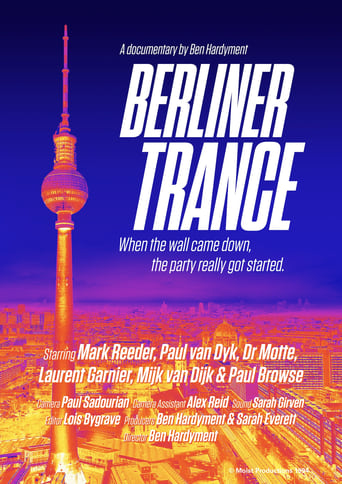
This lost classic, shot on 16mm in a wintry Berlin in 1993, explores the origins of the German trance scene. Featuring interviews with fresh-faced selectors including Laurent Garnier and MFS Records founder Mark Reeder, the documentary also feature footage from the city's iconic Love Parades in 1991 and 1993.
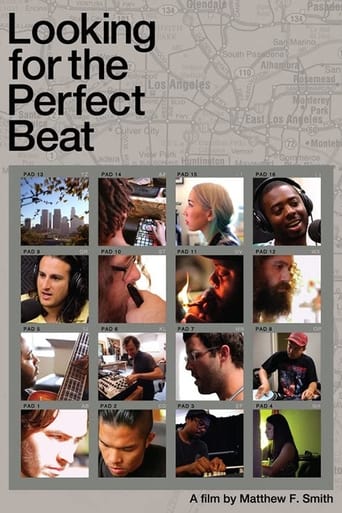
'Looking for the Perfect Beat' is a cinema verite immersion inside the unique Los Angeles 'beat-scene' music community centered around the world famous Low End Theory club night. Filmed over the Summer of 2013, a climatic point in this particular music scene's trajectory, we are given the opportunity to elegantly lift the veil on the personal creative processes of the internationally-acclaimed pillars of the scene. Indie music luminaries such as Flying Lotus, Thundercat, Gaslamp Killer, Daedelus, Nosaj Thing, Ras G, Teebs, D-Styles, TOKiMONSTA and Matthewdavid are all featured in vivid detail. The soundtrack for the film creates itself live on camera as the film elapses. This avant-garde visual angle on each subject in their respective creative spaces provides for an introspective glimpse into what would otherwise be unseen.
In the final days of the yuppie decade, the summer of ’89 saw a new type of youth rebellion rip through the cultural landscape, with thousands of young people dancing at illegal Acid House parties in fields and aircraft hangars around the M25. Set against the backdrop of ten years of Thatcherism, it was a benign form of revolution, dubbed the Second Summer of Love – all the ravers wanted was the freedom to party… The rave scene, along with the drug Ecstasy, broke down social barriers and even football hooligans were ‘loved up’, solving a problem the government had never managed to crack. But lurid tabloid headlines and cat-and-mouse games with the police eventually turned the dream sour, as the gangster element moved in at the end of the summer.

The concept for the film was developed based on sociological research conducted as part of the Youth Subcultures conference in collaboration with the Institute of Sociology of the Slovak Academy of Sciences. The film’s core value lies in its ability to provide an inside look at selected subcultures, achieving an exceptional level of engagement with their members. The filmmakers managed to break through the participants' initial reluctance to openly discuss their experiences. The documentary directly addresses key aspects of these subcultures, including drugs, faith, and personal beliefs. It focuses on six specific groups: the techno scene, graffiti artists, antifascists, religiously oriented youth, skinheads, and young people inspired by Eastern spirituality. The film includes footage from illegal rave parties, graffiti sessions, and other underground activities. Overall, the documentary serves as an insightful map of Bratislava’s contemporary alternative scene.