


Love Parade: When Love Learned to Dance
Documentary · History · Music
Overview
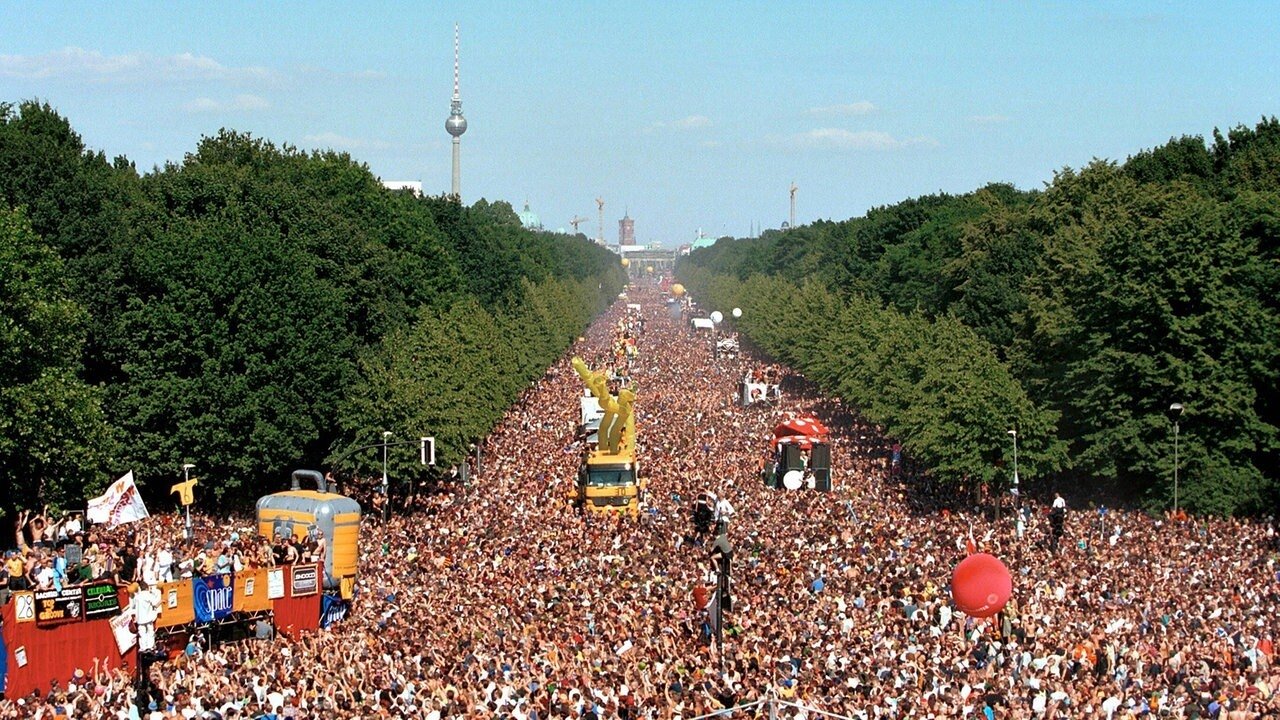
At the end of the Cold War, something new arised that should influence an entire generation and express their attitude to life. It started with an idea in the underground subculture of Berlin shortly before the fall of the Wall. With the motto "Peace, Joy, Pancakes", Club DJ Dr. Motte and companions launched the first Love Parade. A procession registered as political demonstration with only 150 colorfully dressed people dancing to house and techno. What started out small developed over the years into the largest party on the planet with visitors from all over the world. In 1999, 1.5 million people took part. With the help of interviews with important organizers and contemporary witnesses, the documentary reflects the history of the Love Parade, but also illuminates the dark side of how commerce and money business increasingly destroyed the real spirit, long before the emigration to other cities and the Love Parade disaster of Duisburg in 2010, which caused an era to end in deep grief.
Top Cast

Benno Fürmann
Narrator (voice)

Anja Stadlober
Narrator (voice)
Dr. Motte
Himself - Interviewee

WestBam
Himself - Interviewee
DJ Disko
Himself - Interviewee
Wolle XDP
Himself - Interviewee
Der Würfler
Himself - Interviewee
Danielle De Picciotto
Herself - Interviewee
Jürgen Laarmann
Himself - Interviewee
Tilman Brembs
Himself - Interviewee
Armin Mostoffi Kamari
Himself - Interviewee
Wolfgang Sterneck
Himself - Interviewee





Benno Fürmann
Benno Fürmann
Narrator (voice)
Benno Fürmann
Narrator (voice)
Anja Stadlober
Anja Stadlober
Narrator (voice)
Anja Stadlober
Narrator (voice)
Dr. Motte
Dr. Motte
Himself - Interviewee
Dr. Motte
Himself - Interviewee
WestBam
WestBam
Himself - Interviewee
WestBam
Himself - Interviewee
DJ Disko
DJ Disko
Himself - Interviewee
DJ Disko
Himself - Interviewee
Wolle XDP
Wolle XDP
Himself - Interviewee
Wolle XDP
Himself - Interviewee
Der Würfler
Der Würfler
Himself - Interviewee
Der Würfler
Himself - Interviewee
Danielle De Picciotto
Danielle De Picciotto
Herself - Interviewee
Danielle De Picciotto
Herself - Interviewee
Jürgen Laarmann
Jürgen Laarmann
Himself - Interviewee
Jürgen Laarmann
Himself - Interviewee
Tilman Brembs
Tilman Brembs
Himself - Interviewee
Tilman Brembs
Himself - Interviewee
Similar Movies
The architectural plans for Berlin from 1938 are used as an example to illustrate the fascist claim to power and its aesthetic effect. The basis for this was the "General Building Inspection" under the direction of Albert Speer, whose enormous projects are illustrated by planning models and archive photographs.
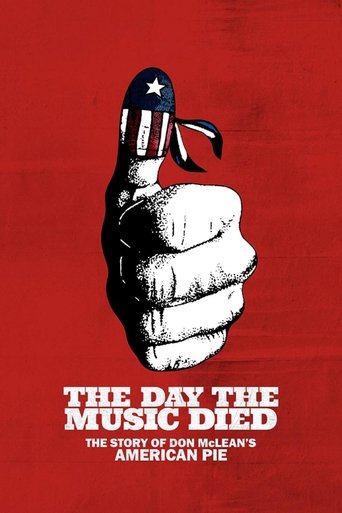
With a narrative running deeper than a catchy tune and cryptic verses, “American Pie” is a musical phenomenon woven deep into the history of American culture, entertaining audiences around the world for over 50 years. This documentary tells the stories of the people who were a part of this moment from the beginning, shows the point of view of a new generation of artists who are motivated by the same values and ideas that inspired the song’s creation, and highlights cultural moments in America’s history that are as relevant now as they were in 1971, when the song was released.
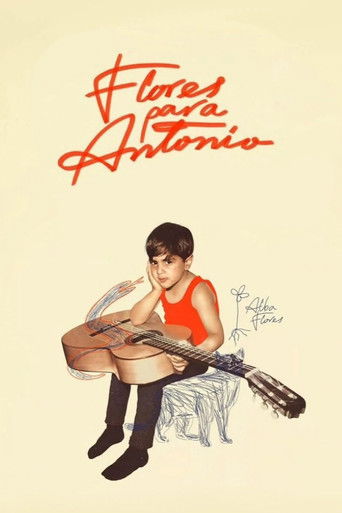
A daughter sets out to find out the truth about the man who was her father, a legendary musician, who died when she was 8 years old. He is Antonio Flores, and she the also famous actress Alba Flores. Alba stopped singing when she lost Antonio and is now determined to recover her voice and her background, asking family members and friends for the first time.

"At the beginning of the 19th century there is no Chicago. There was a fort that was set on fire by Indians shortly thereafter. Later, the turbulent expansion of a settlement began, which became a center for the immigrant workforce, traditional industry, slaughterhouses, and, in 1941, armaments for war. The Windy City on Lake Michigan is the fastest changing city in the world. This 35mm Arriflex film time-lapse footage is annotated with classic techno cuts and information about the tunnels under Chicago, the slaughterhouses, organized crime, Sears & Roebuck catalogs and other peculiarities of this strange city."

The lifelong friendship between Rafe McCawley and Danny Walker is put to the ultimate test when the two ace fighter pilots become entangled in a love triangle with beautiful Naval nurse Evelyn Johnson. But the rivalry between the friends-turned-foes is immediately put on hold when they find themselves at the center of Japan's devastating attack on Pearl Harbor on Dec. 7, 1941.