

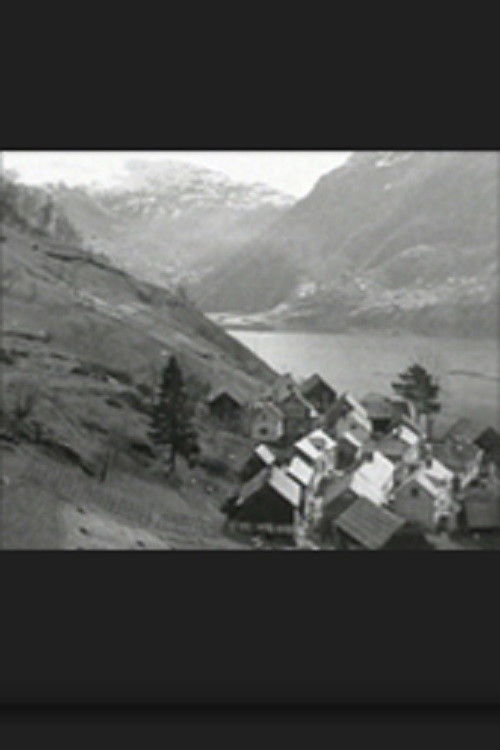
Havråfilmen
Documentary
Overview
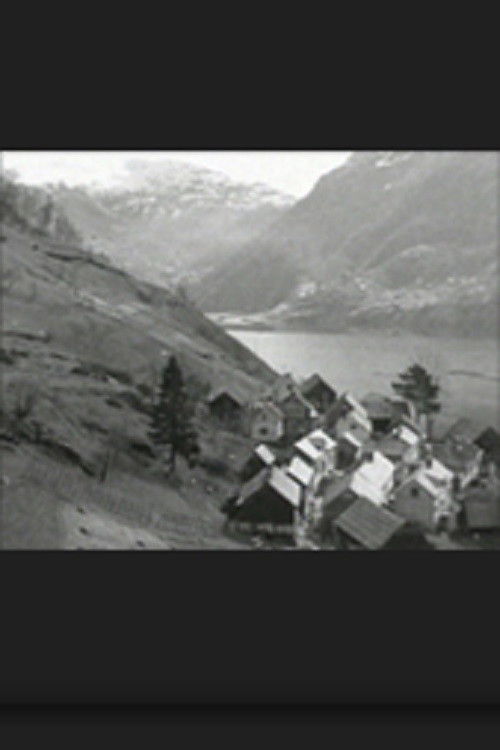
From 1949 to summer the next year, Robert Kloster and Brita Gjerdåker Skre documented the daily working lives of the people on Havråtunet (Havretunet), a cluster farm on Havrå, Osterøy, that remains one of the only cluster farms to survive the 1850 Land Consolidation Act. This is the 130-minute original version of the documentary, distributed on DVDs by Geir Sundal in 2004, with the permission of Norsk Filminstitutt.
Top Cast


Hartvig Kiran
Hartvig Kiran
Narrator
Hartvig Kiran
Narrator
Brita Gjerdåker Skre
Brita Gjerdåker Skre
Commentary
Brita Gjerdåker Skre
Commentary
Similar Movies

Railroad of Hope consists of interviews and footage collected over three days by Ning Ying of migrant agricultural workers traveling from Sichuan in China's interior, to the Xinjiang Autonomous Region, China's northwest frontier.[1] Through informal interviews aboard the cramped rail cars, Ning Ying explores the hopes and dreams of the workers, many of whom have never left their homes before.
The horses in Denys Colomb Daunant’s dream poem are the white beasts of the marshlands of the Camargue in South West France. Daunant was haunted by these creatures. His obsession was first visualized when he wrote the autobiographical script for Albert Lamorisse’s award-winning 1953 film White Mane. In this short the beauty of the horses is captured with a variety of film techniques and by Jacques Lasry’s beautiful electronic score.
SINOPSIS / SYNOPSIS Every year in Spain, some 16,000 Fiestas are organized, during which animals are used. Honoring the Holy Virgin and the Patron Saints, and with the blessing of religious and political authorities, entire towns -including children- are involved in celebrations of unbelievable cruelty. 60,000 animals are hence abused each year during these “Fiestas of Blood”.
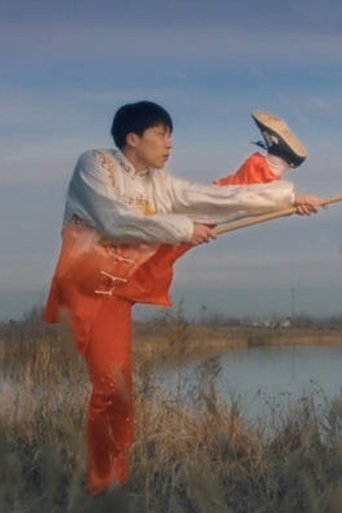
Young Masters is an original series commissioned by NOWNESS China focusing on traditional Chinese cultures, and how they continue to be defined by a new generation of the country's youth. Its first episode, Young Masters: Bajiquan, spotlights Wu Hao (吴昊), a young man in his twenties from Hebei province who is a stalwart practitioner of Bajiquan—a traditional Chinese fighting style known for its graceful stillness and sudden moments of targeted and ferocious violence. Director Haonan Shen traveled to the Mengcun Bajiquan International Training Center to profile Wu Hao whose paternal ancestor Wu Zhong (1712–1802) was the first recorded Bajiquan teacher. In this evocative portrait of a young man’s passion for sharing his family’s rich heritage, we get up close and personal with the violent elbow strikes, staff jabs, fierce rising and firm falling stances that characterize the martial art.
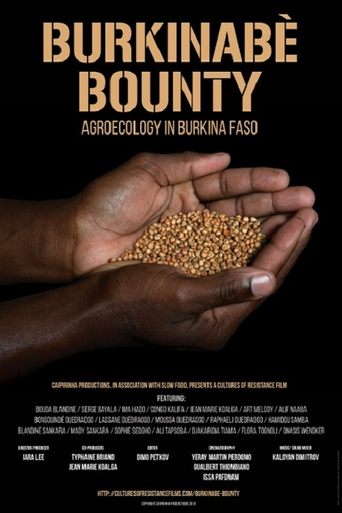
This documentary chronicles agricultural resistance and the fight for food sovereignty in Burkina Faso – a small, landlocked country in West Africa. Showcasing activist farmers, students, artists and leaders in the local Slow Food movement, the film looks at how the Burkinabé people are reclaiming their land and defending their traditions against the encroachment of corporate agribusiness. From women gaining economic independence by selling artisanal “dolo” beer, to youth marching in the streets against companies like Monsanto, to hip-hop musicians setting up their own farms and reviving the revolutionary spirit of Thomas Sankara through their music, Burkinabè Bounty shows the creative tactics people are using to take back control of their food, seeds, and future.