

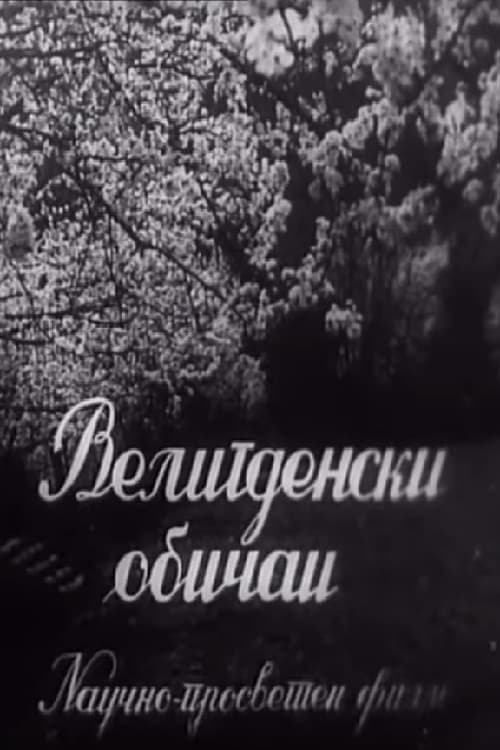
Easter Customs
Documentary
Overview
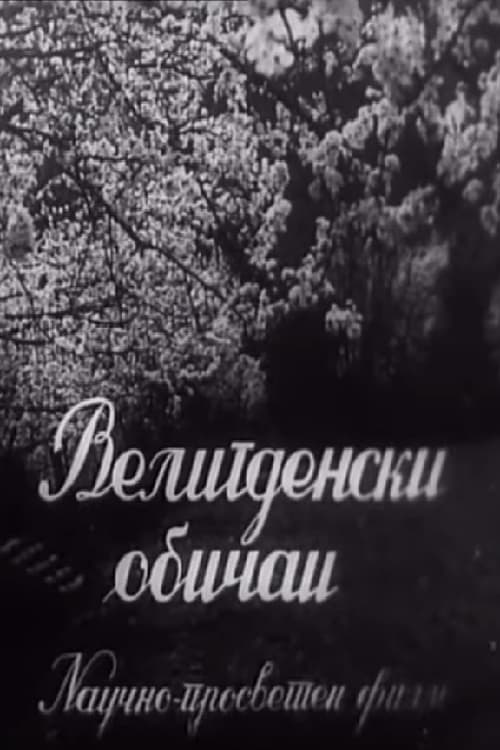
Traditions during Easter holidays in the remote village of Grešnica. The film was a research project of the newly opened Ethnological Museum to preserve the disappearing customs at least on film for future generations.


No cast information.
Similar Movies
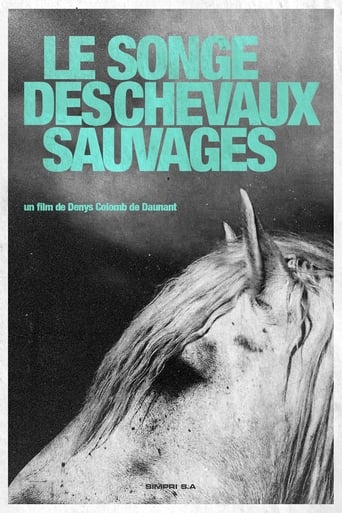
The horses in Denys Colomb Daunant’s dream poem are the white beasts of the marshlands of the Camargue in South West France. Daunant was haunted by these creatures. His obsession was first visualized when he wrote the autobiographical script for Albert Lamorisse’s award-winning 1953 film White Mane. In this short the beauty of the horses is captured with a variety of film techniques and by Jacques Lasry’s beautiful electronic score.
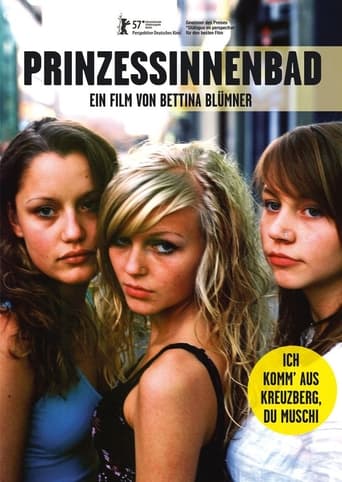
A film about three teenagers - Klara, Mina and Tanutscha - from the Berlin district of Kreuzberg. The trio have known each other since Kindergarten and have plenty in common. The three 15-year-olds are the best of friends; they are spending the summer at Prinzenbad, a large open-air swimming pool at the heart of the district where they live. They're feeling pretty grown up, and are convinced they've now left their childhood behind.
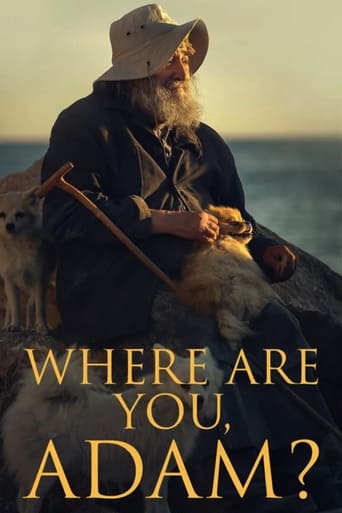
The plot of the film unfolds in the ancient monastery of Dokhiar on the west coast of Mount Athos, on the Aegean peninsula. This peninsula is given to the exclusive use of the monks of Eastern Christianity. Images of nature are woven into a virtually uninterrupted series of work and prayer, lining up in the rhythmic interrelation of man and nature. The central figure of the film was the monastery’s elder, Hegumen Gregory, whose long-term experience of spiritual nourishment rewarded him with a deep understanding of the human soul and her desire to return to the state characteristic of Adam’s human nature before the fall.
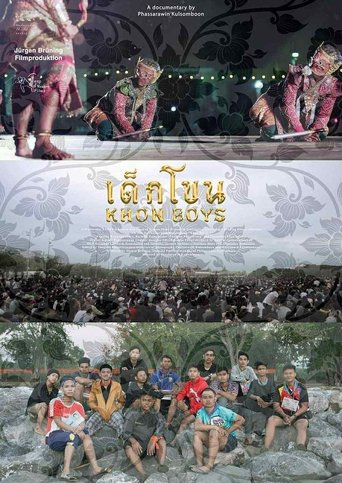
A documentary recording the lives of Khon students in their last years of study. They spent six years under the rules of the military regime after the 2014 coup d’etat. The coup granted the regime power to change many things, especially education which became more focused on the monarchy and royal glorification instead of basic human values. While the world is becoming awakened to human rights, the military regime deems them against their own values. The shooting of the film began at the time of the king’s succession, shortly after which there was a great social awakening in Thailand. Meanwhile, the authorities used state violence and oppression in an effort to eliminate dissidents, even when they were just high school and university students.
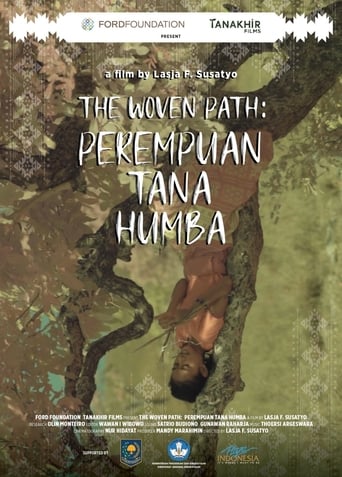
The Woven Path: Perempuan Tana Humba is made up of two short movies that highlight the role of women in Sumba culture. The first part of the documentary, The Woven Path, is a 10-minute movie featuring picturesque footage and images that serve as a backdrop to two poems centering on the theme of mothers. The 30-minute Perempuan Tana Humba is a much more straightforward documentary, focusing more on Sumba culture and women in three short chapters: “Marapu”, “Belis” and “Perkawinan”.