

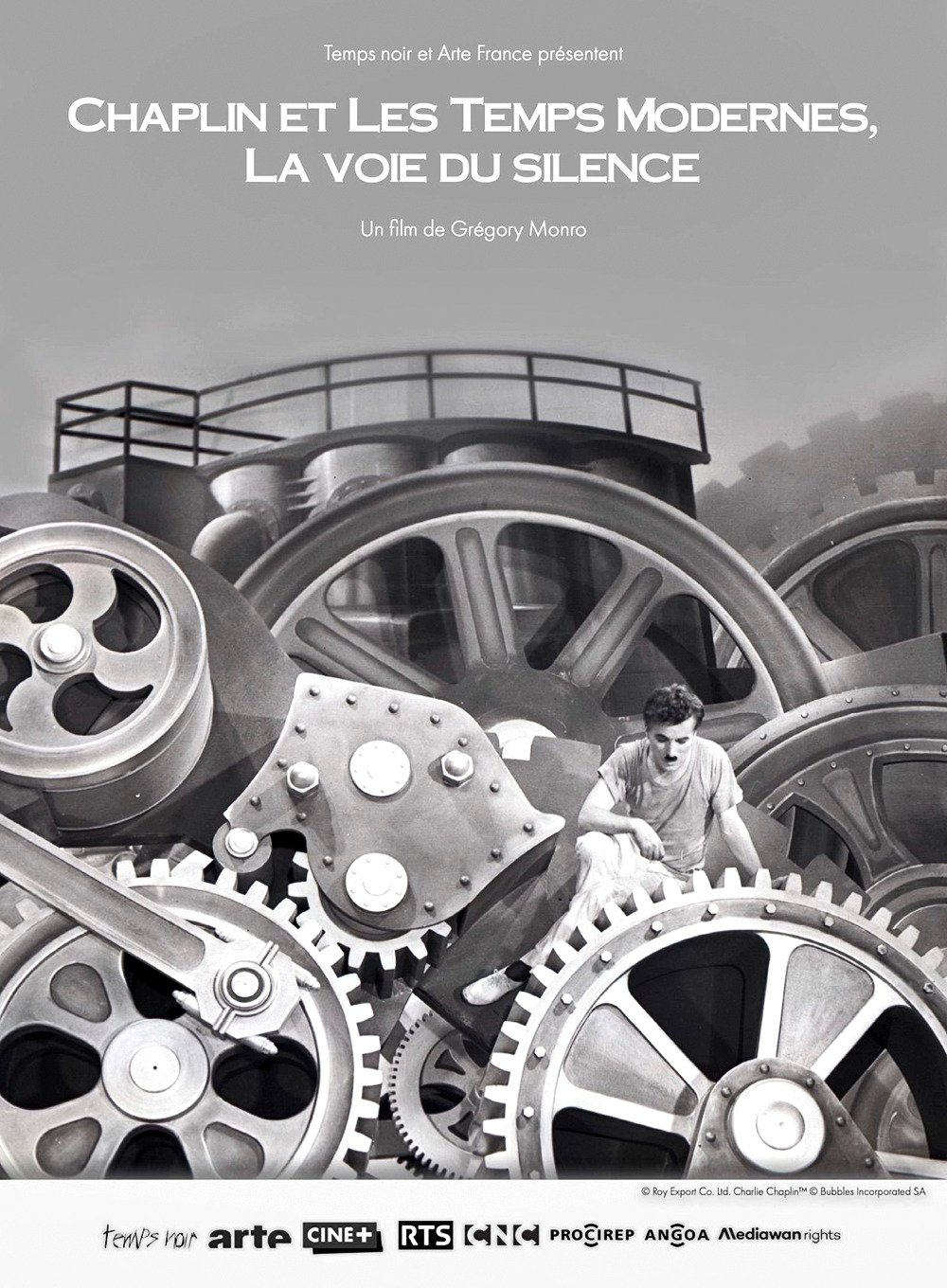
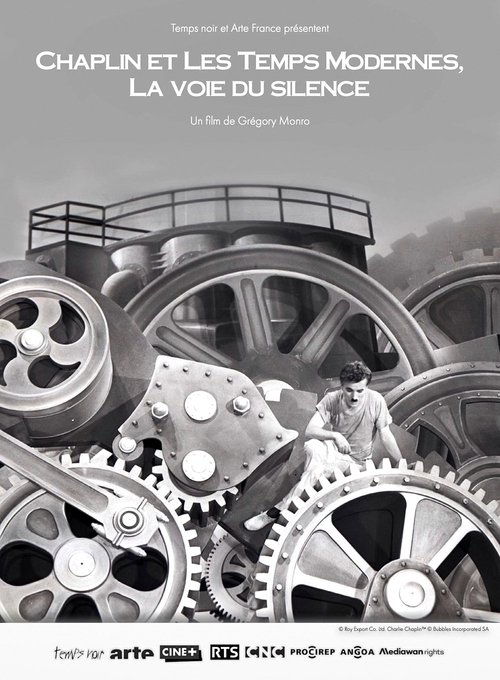
Chaplin et Les temps modernes, La voie du silence
Documentary
Overview
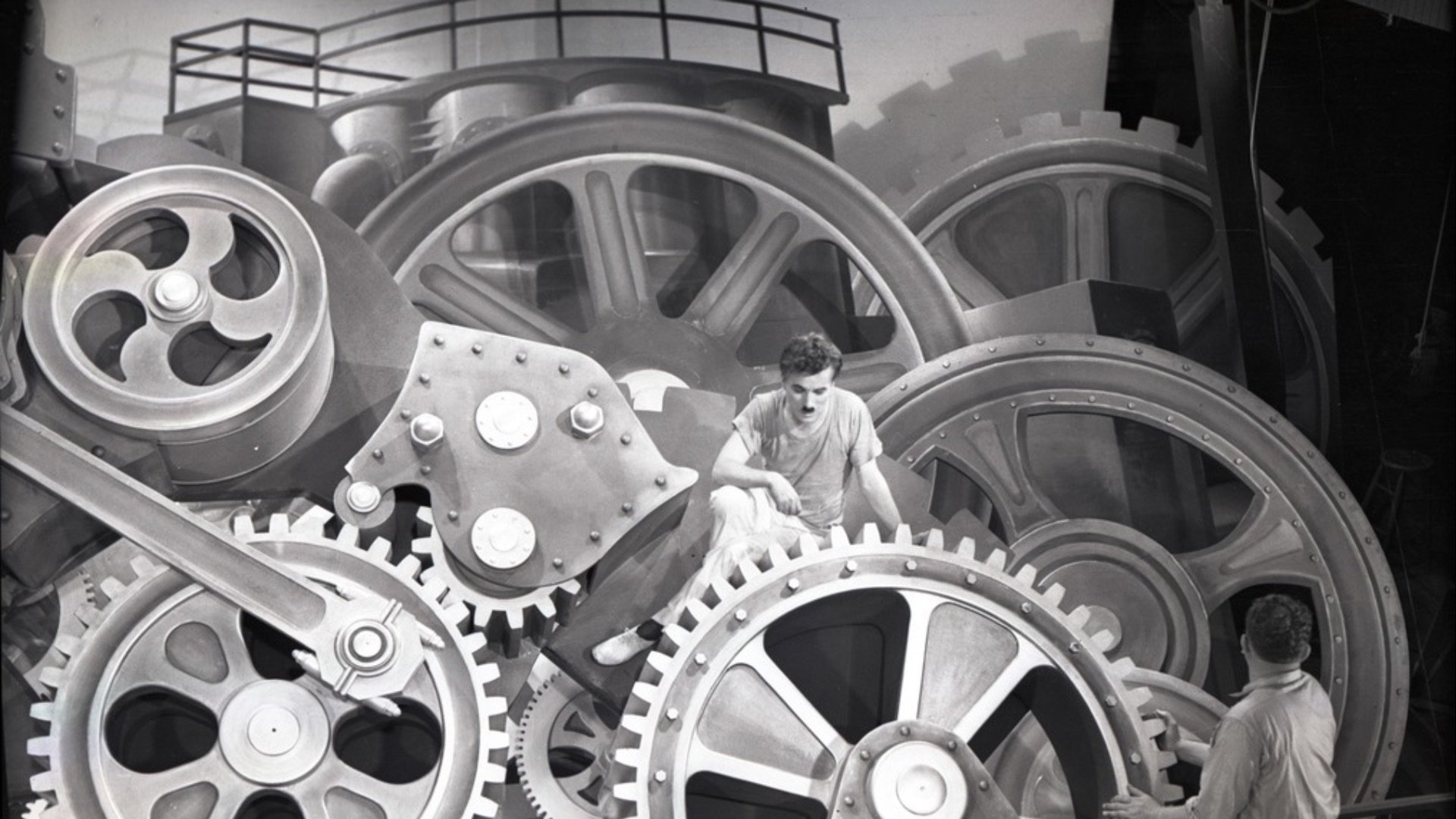
In 1936, the sound film had already been around for a decade. Nevertheless, Charlie Chaplin (1889-1977) made another silent film, "Modern Times", which only used sound effects as a dramaturgical device. Speaking is reserved for the apparatus alone. The film became a monument in the history of cinema for this very reason.





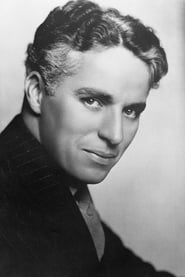
Charlie Chaplin
Charlie Chaplin
Self (archive footage)
Charlie Chaplin
Self (archive footage)

Sarah-Jane Sauvegrain
Sarah-Jane Sauvegrain
Narrator (voice over)
Sarah-Jane Sauvegrain
Narrator (voice over)
Similar Movies
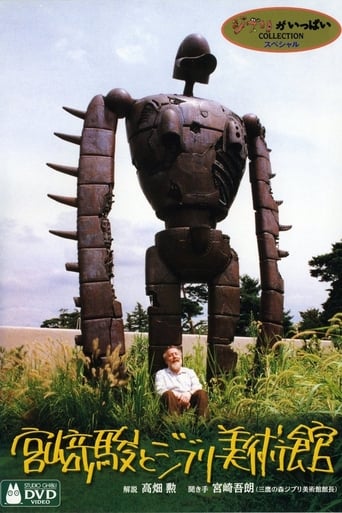
A documentary about the Ghibli Museum. It features Goro Miyazaki speaking with Isao Takahata about the "charm" of the museum and its various influences. Goro tours the viewer around the museum, explaining the intricate details that his father, Hayao Miyazaki made during its construction. The documentary highlights the strong European influences in the museum's architecture, featuring footage of the medieval mountainous city of Calcata in Italy and the historic port city of Genoa, which Miyazaki had visited in the past. These trips would go on to influencing the imagery seen in Castle in the Sky, Kiki's Delivery Service, Porco Rosso, and Spirited Away.
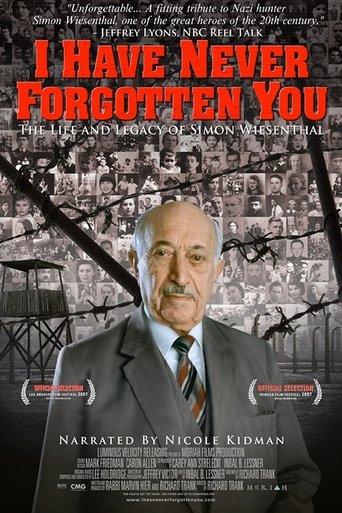
"I Have Never Forgotten You" is a comprehensive look at the life and legacy of Simon Wiesenthal, the famed Nazi hunter and humanitarian. Narrated by Academy Award winning actress Nicole Kidman, it features interviews with longtime Wiesenthal associates, government leaders from around the world, friends and family members--many of whom have never discussed the legendary Nazi hunter and humanitarian on camera. Previously unseen archival film and photos also highlight the film. What was the driving force behind his work? What kept him going when for years the odds were against his efforts? What is his legacy today, more than 60 years after the end of World War Two?

Since the uprising of a pro Russian insurgency in eastern Ukraine in 2014, hundreds of women joined the army. Only a few made it to the front line. Filmmaker Masha embeds herself in the war zone to follow the daily life of three of them. By sharing the intimacy of these fighters, Masha soon becomes a victim of this brotherhood conflict jeopardizing this film and her life.
An oral history exploring the development of film projection and cinema in Kingston-on-Thames - from resident innovator Eadweard Muybridge through the heyday, decline, and re-emergence of cinema. Features interviews with historians, projectionists and usherettes as well as cinema-goers with rare footage and images from Kingston’s cinemas.
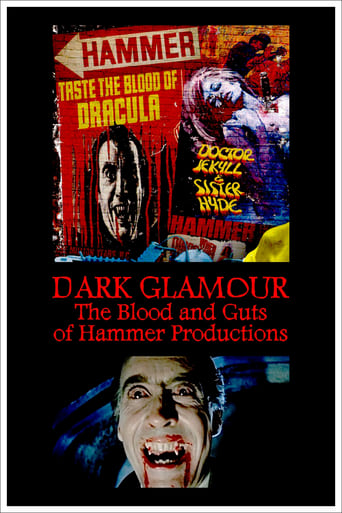
The greatness, fall and renaissance of Hammer, the flagship company of British popular cinema, mainly from 1955 to 1968. Tortured women and sadistic monsters populated oppressive scenarios in provocative productions that shocked censorship and disgusted critics but fascinated the public. Movies in which horror was shown in offensive colors: dreadful stories, told without prejudices, that offered fear, blood, sex and stunning performances.