

Hayao Miyazaki and the Ghibli Museum
Documentary
Overview
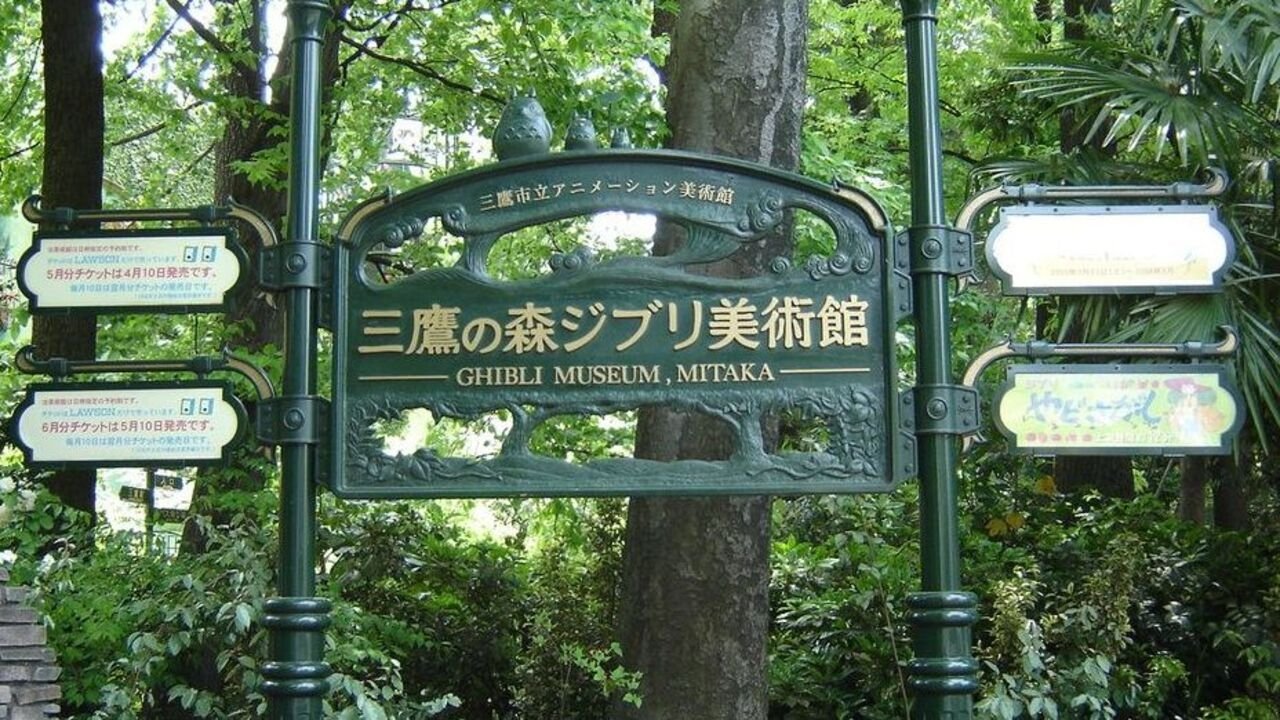
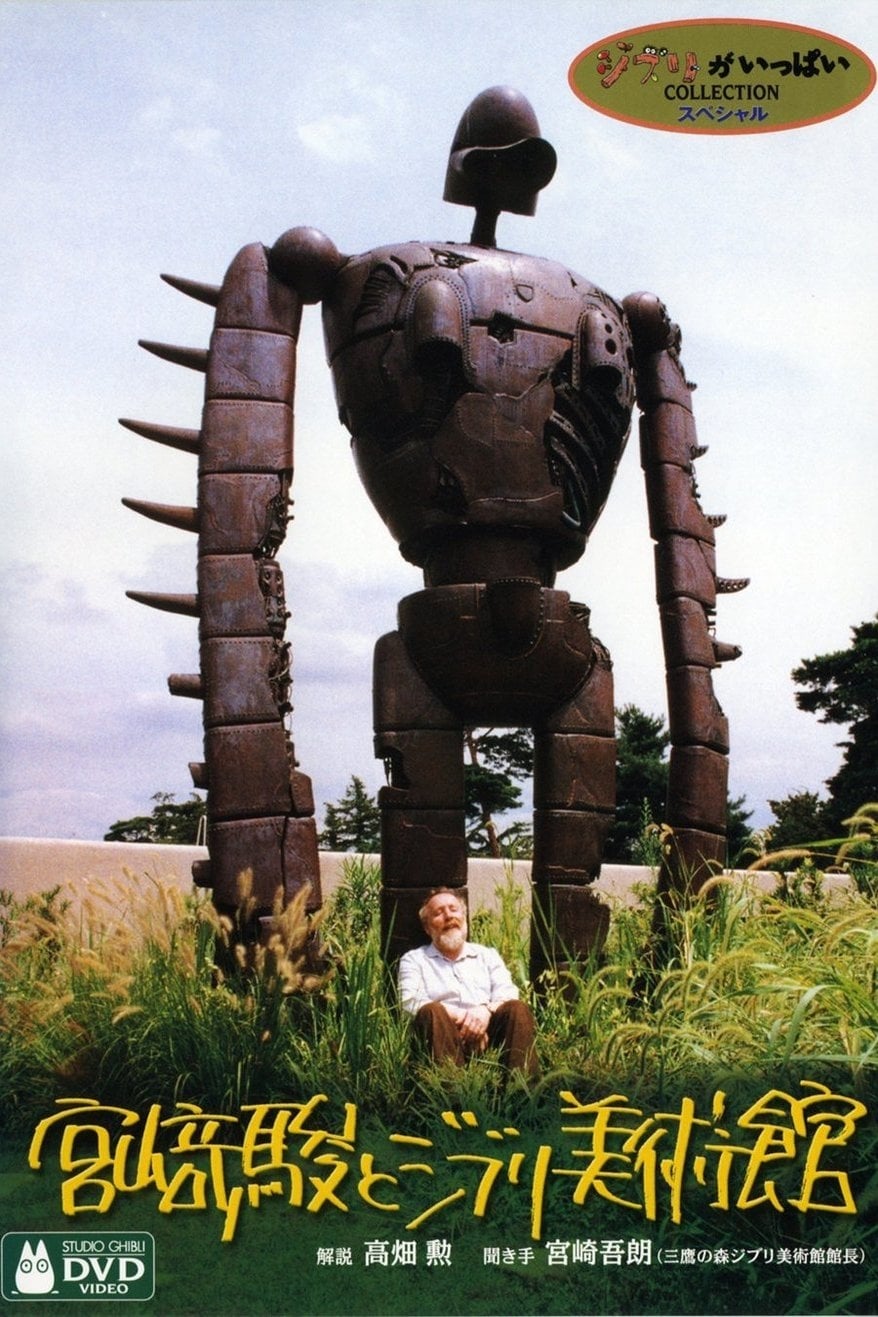
A documentary about the Ghibli Museum. It features Goro Miyazaki speaking with Isao Takahata about the "charm" of the museum and its various influences. Goro tours the viewer around the museum, explaining the intricate details that his father, Hayao Miyazaki made during its construction. The documentary highlights the strong European influences in the museum's architecture, featuring footage of the medieval mountainous city of Calcata in Italy and the historic port city of Genoa, which Miyazaki had visited in the past. These trips would go on to influencing the imagery seen in Castle in the Sky, Kiki's Delivery Service, Porco Rosso, and Spirited Away.


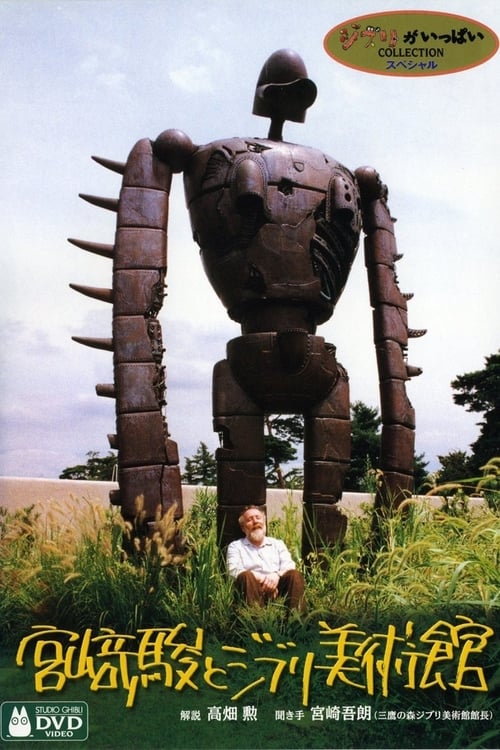

Isao Takahata
Isao Takahata
Self
Isao Takahata
Self
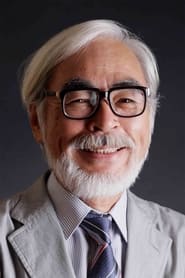
Hayao Miyazaki
Hayao Miyazaki
Self
Hayao Miyazaki
Self
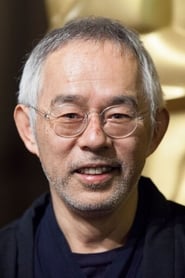
Toshio Suzuki
Toshio Suzuki
Self
Toshio Suzuki
Self

Goro Miyazaki
Goro Miyazaki
Self
Goro Miyazaki
Self
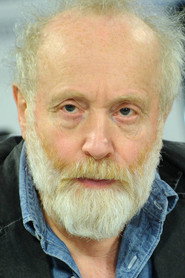
Yuri Norstein
Yuri Norstein
Self
Yuri Norstein
Self

John Lasseter
John Lasseter
Self
John Lasseter
Self
Similar Movies

A short film depicting the universality of life, growth, and how beautiful life is to simply exist. The film shows how beautiful it can be when we show tenderness & love for one another, through the narration & home movies of four sisters & their mother from when they were born up to the present. The film was made over 18 years on The Australian Coast.
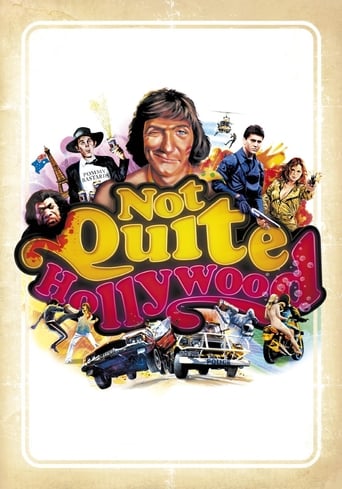
As Australian cinema broke through to international audiences in the 1970s through respected art house films like Peter Weir's "Picnic At Hanging Rock," a new underground of low-budget exploitation filmmakers were turning out considerably less highbrow fare. Documentary filmmaker Mark Hartley explores this unbridled era of sex and violence, complete with clips from some of the scene's most outrageous flicks and interviews with the renegade filmmakers themselves.
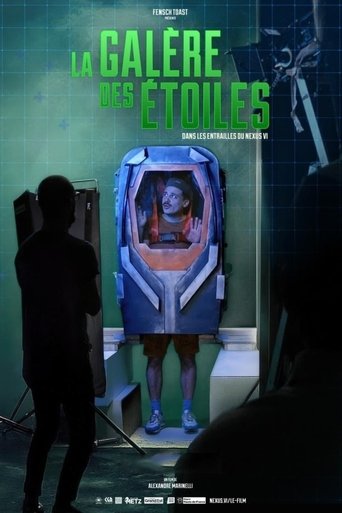
La Galère des Étoiles follows the making of Les Aventures du Nexus VI, directed by the Fensch Toast collective. From the creators' early beginnings to the challenges of independent production, the documentary highlights limited resources, demanding visual effects, and long hours of work - but also the solidarity and creativity that kept the project alive. It concludes with the realization of an ambitious sci-fi film driven by passion and audience anticipation.
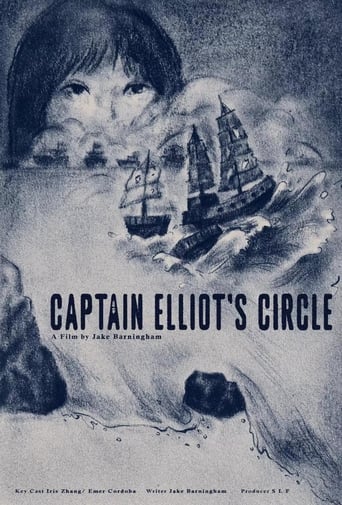
Equal parts documentary, essay, and narrative,"Captain Elliot's Circle" is mostly a poetic interaction with an obscure corner of Chinese and British history. Constructed using primary source documents about the taking of Zhoushan, Britain's first choice for a seaport, in the late 1830s,this movie uses Captain Charles Elliot's reluctance to brutalize the Chinese to reflect on the cyclical nature of history and the power structures that move it. The long takes used throughout function to illustrate the dramatically different ways in which people who lived in the mid-19th century perceived time. Additionally, it represents the psychological effect of living on an island regardless of what era you were born in.The last third of the movie focuses on a young woman whose strange day job has taken her far away from the island of Zhoushan generations after Captain Charles Elliot was last there. "Captain Elliot's Circle" was shot on location in Zhoushan and Hangzhou.
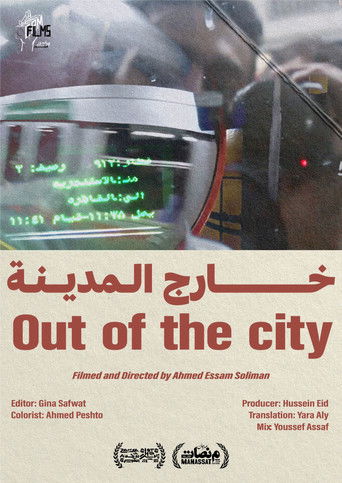
"A young filmmaker studying at the Alexandria Higher Institute of Cinema (AHIC) struggles with an internal conflict; torn between his deep loyalty to his hometown of Alexandria and his burning desire to immerse himself in the vibrant film scene of Cairo, the bustling capital. He discusses the matter with a fellow AHIC student, where they share their thoughts and questions about the meaning of success and their personal aspirations. This shared exploration becomes a search for a guiding light, a clue that reveals whether their chosen paths will lead them to their desired futures.
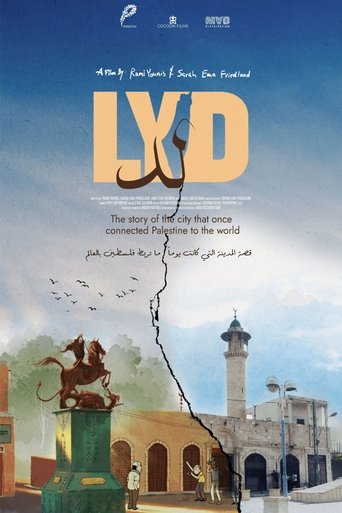
A sci-fi documentary that follows the rise and fall of Lyd — a 5,000-year-old metropolis that was once a bustling Palestinian town until it was conquered when the State of Israel was established in 1948. As the film unfolds, a chorus of characters creates a tapestry of the Palestinian experience of this city and the trauma left by the massacre and expulsion.
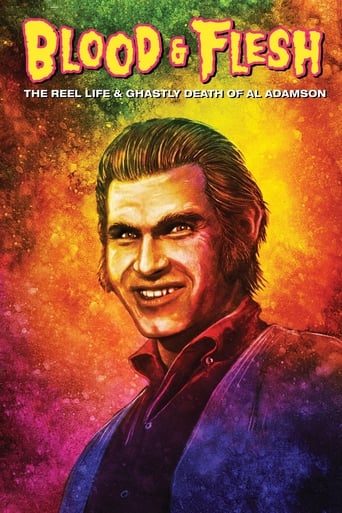
Brought to life through archival material and the reflections of over 40 colleagues, friends and fans, BLOOD & FLESH is much more than the story of a moviemaking life most unusual. It beautifully captures the worlds of outsider filmmaker communities that existed in California in the ’70s, and the weird ways they intersected with Hollywood mainstream and union indies. On Adamson shoots, regular Orson Welles crew and cinematographers like Gary Graver, Vilmos Szigmond and Lazlo Kovaks worked alongside Bud Cardos — and at one point, Charles Manson! Director David Gregory (founder of Severin Films, director of LOST SOUL: THE DOOMED JOURNEY OF RICHARD STANLEY’S ISLAND OF DR. MOREAU) spent years making this film, speaking to everyone down to the cops who investigated Adamson’s murder, vividly encapsulating both a bold life and tragic demise, with alien conspiracies, go-go dancers and Colonel Sanders coming in along the way. If you’ve got even a passing interest in cinema, you want to see this