

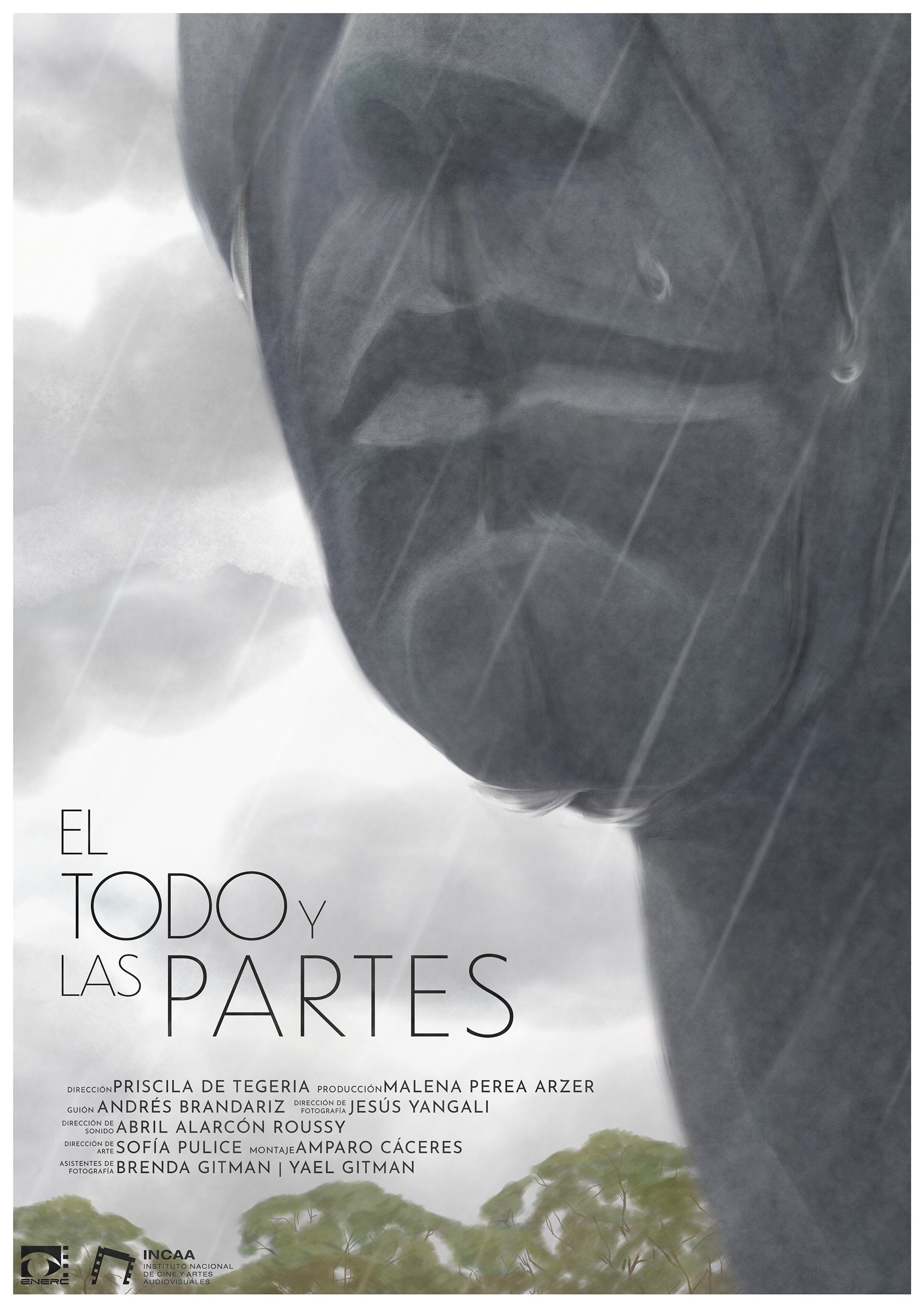
The Whole and the Parts
Documentary
Overview
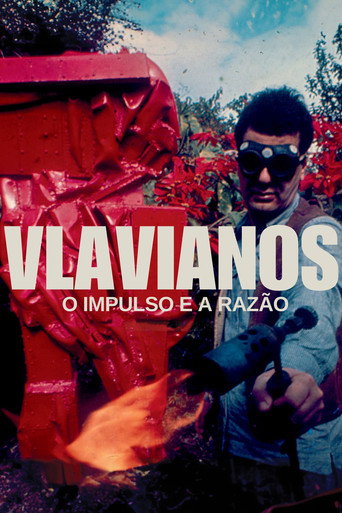
In a hidden workshop, surrounded by water and vegetation, a group of craftspeople live together with the statues they restore, silent spectators of a discreet battle against the inclemency of time and oblivion.




No cast information.
Similar Movies
The Arts Council commissioned this film to coincide with their major retrospective of Giacometti's work at the Tate Gallery (now Tate Britain) in the summer of 1965. A similar exhibition was held concurrently at the Museum of Modern Art in New York, sealing the artist's reputation as a modern master.
The Wall Street stock trader were astonished when they passed at a five-metre bronze statue of a bull on there way to work on December 16, 1989. Also New York's Mayor and city administration wondering who had placed the three-ton work of art there. One of the most unusual and imaginative artists of our time was behind the action: the Sicilian-born Arturo Di Modica. This is the story of the statue, which became a symbol of Wall Street.
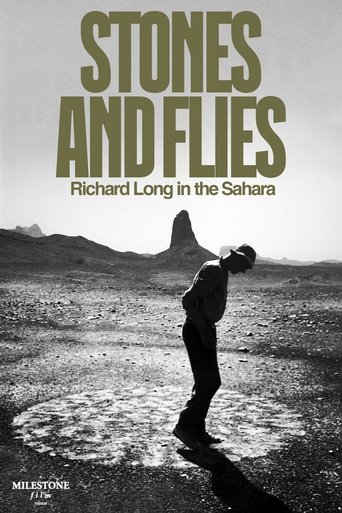
In the fall of 1987, Philippe Haas accompanied the sculptor Richard Long to the Algerian Sahara and filmed him tracing with his feet, or constructing with desert stones, simple geometric figures (straight lines, circles, spirals). In counterpoint to the images, Richard Long explains his approach. Since 1967, Richard Long (1945, Bristol), who belongs to the land art movement, has traveled the world on foot and installed, in places often inaccessible to the public, stones, sticks and driftwood found in situ. His ephemeral works are reproduced through photography. He thus made walking an art, and land art an aspiration of modern man for solitude in nature.
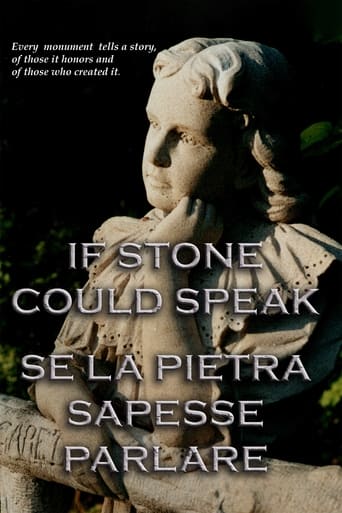
Stonecutters emigrated from northern Italy to Barre, Vermont, the "Granite Capital of the World." Follow the artisans and their families from quarries, workshops and schools in Italy to granite carving sheds in New England, as they seek their own identities, choosing what to keep and what to cut away from their American and Italian legacies.
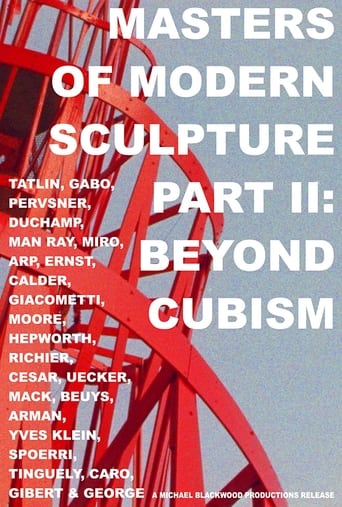
Centered around the emergence of Constructivism, Futurism, Surrealism and Dada, Beyond Cubism takes a closer look at the artists who ignited the new movements and the alterations of artistic culture brought forth by World War II. Creating out of their philosophy and ideology, artists such as Vladimir Tatlin, Barbara Hepworth and Henry Moore pushed sculpture to new limits of abstraction and possibility, feverently building on their predecessors.