

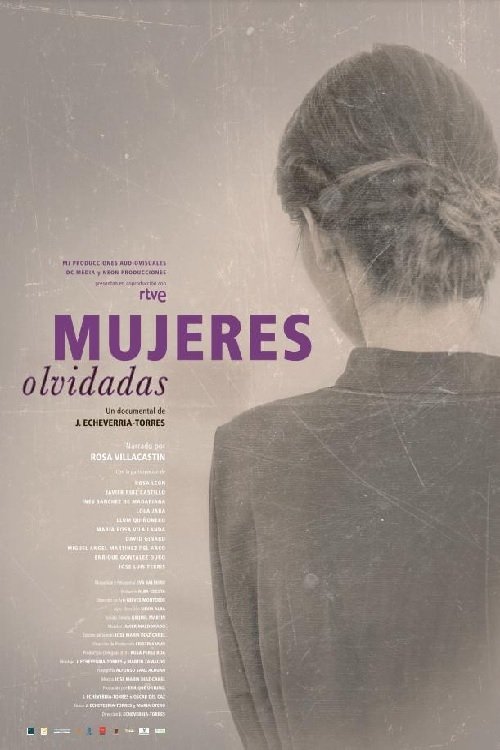
Mujeres olvidadas
Documentary
Top Cast




Rosa Villacastín
Rosa Villacastín
Narradora (voice)
Rosa Villacastín
Narradora (voice)
Rosa León
Rosa León
Self
Rosa León
Self
Javier Ruiz Castillo
Javier Ruiz Castillo
Self
Javier Ruiz Castillo
Self
Inés Sánchez de Madariaga
Inés Sánchez de Madariaga
Self
Inés Sánchez de Madariaga
Self
Lola Jara
Lola Jara
Self
Lola Jara
Self
Llum Quiñonero
Llum Quiñonero
Self
Llum Quiñonero
Self
María Rosa Vila Landa
María Rosa Vila Landa
Self
María Rosa Vila Landa
Self
David Ginard
David Ginard
Self
David Ginard
Self
Miguel Ángel Martínez del Arco
Miguel Ángel Martínez del Arco
Self
Miguel Ángel Martínez del Arco
Self
Enrique González Duro
Enrique González Duro
Self
Enrique González Duro
Self
Similar Movies
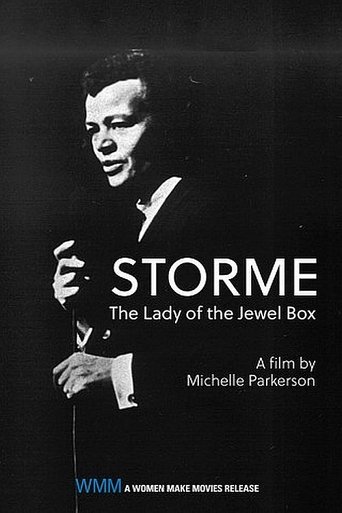
“It ain’t easy…being green” is the favorite expression of Stormé DeLarverie, a woman whose life flouted prescriptions of gender and race. During the 1950s and '60s she toured the black theater circuit as a mistress of ceremonies and the sole male impersonator of the legendary Jewel Box Revue, America’s first integrated female impersonation show and forerunner of La Cage aux Folles.
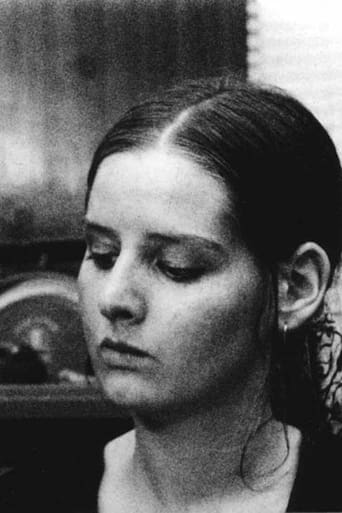
A docu-drama shot in 1970, but not completed until 1973, the film sought to encapsulate in an experimental form issues that were under discussion within the Women’s Liberation Movement at this time and to thus contribute to action for change. In its numerous community screenings, active debate was encouraged as part of the viewing experience.
“Touch one, touch us all” is a slogan of the women who took over the streets in Brazil and organized themselves in social networks to face male chauvinist and conservatism. Through testimonies of women who have been subjected to violence, the documentary reveals that, despite legal achievements, the woman still remains vulnerable. Amongst other deponents are Maria da Penha, Joanna Maranhão, Luíza Brunet, and Clara Averbuck.
This documentary looks back on a career of a woman who, very early on, refused to accept the roles assigned to her. In the 1980s, while others were trying to please, she wrote "Les hommes préfèrent les grosses" (Men Prefer Fat Women), a manifesto ahead of its time, funny, feminist, and blunt. Later, with "Gazon maudit" (Damned Grass), she tackled homosexuality with a freedom that is still shocking today.
Kristina, a self-named Hungarian female lion tamer, arrives in New York to become a dance choreographer. Kristina, now a middle-class NYC artist concerned about the environment, has a sailor lover named Raoul. The film, a collage work, an essay film, a fictional narrative and a documentary all rolled into one, is one of the most important independent American feminists films made during the 1970's.