

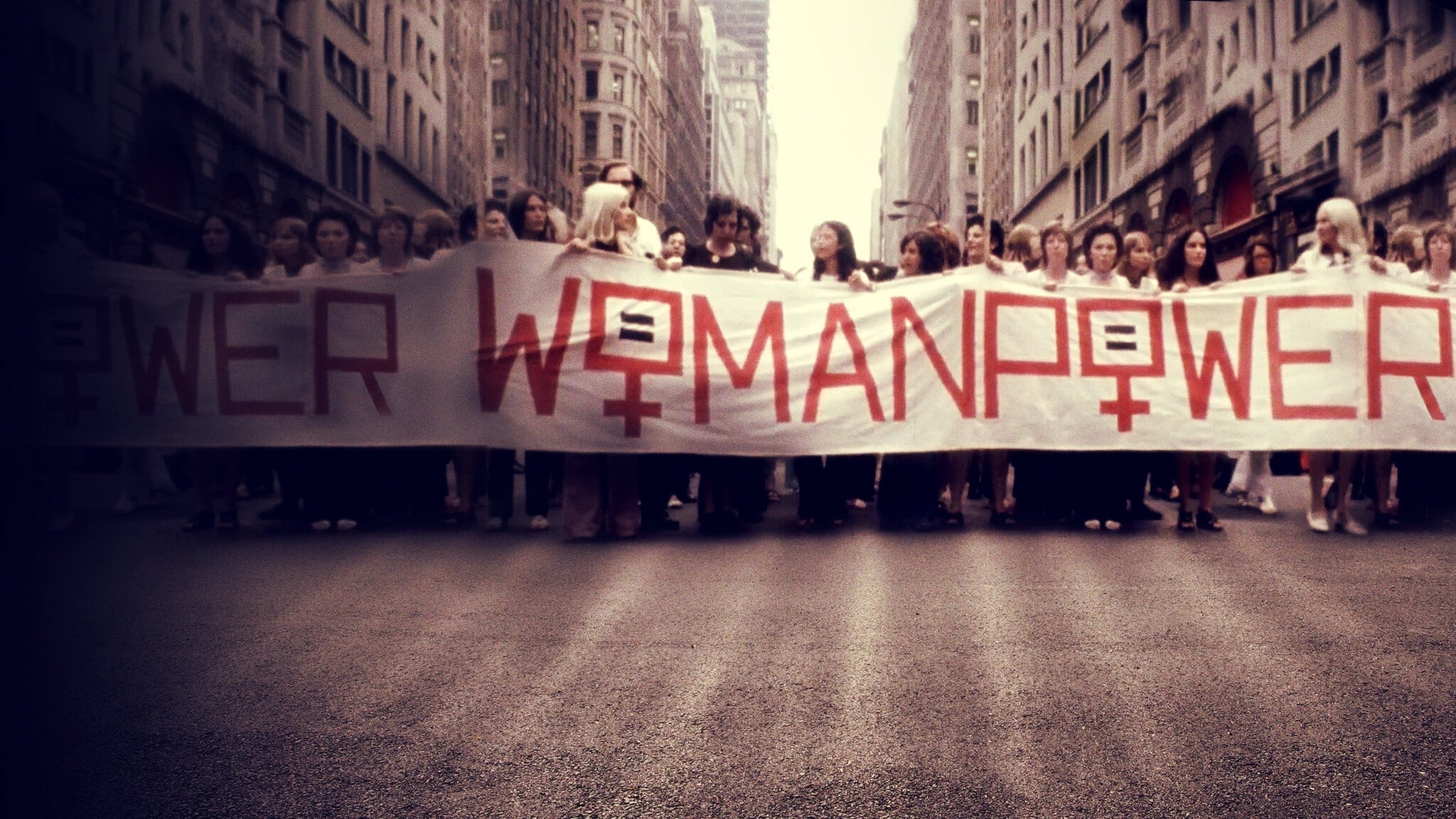

Feminists: What Were They Thinking?
Documentary
Overview
In 1977, a book of photographs captured an awakening - women shedding the cultural restrictions of their childhoods and embracing their full humanity. This documentary revisits those photos, those women and those times and takes aim at our culture today that alarmingly shows the need for continued change.













Laurie Anderson
Laurie Anderson
Self
Laurie Anderson
Self
Phyllis Chesler
Phyllis Chesler
Self
Phyllis Chesler
Self
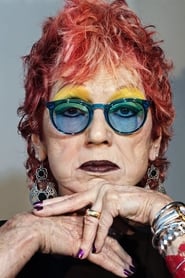
Judy Chicago
Judy Chicago
Self
Judy Chicago
Self
Funmilola Fagbamila
Funmilola Fagbamila
Self
Funmilola Fagbamila
Self

Jane Fonda
Jane Fonda
Self
Jane Fonda
Self

Sally Kirkland
Sally Kirkland
Self
Sally Kirkland
Self
Wendy J.N. Lee
Wendy J.N. Lee
Self
Wendy J.N. Lee
Self

Meredith Monk
Meredith Monk
Self
Meredith Monk
Self

Michelle Phillips
Michelle Phillips
Self
Michelle Phillips
Self
Margaret Prescod
Margaret Prescod
Self
Margaret Prescod
Self
Similar Movies
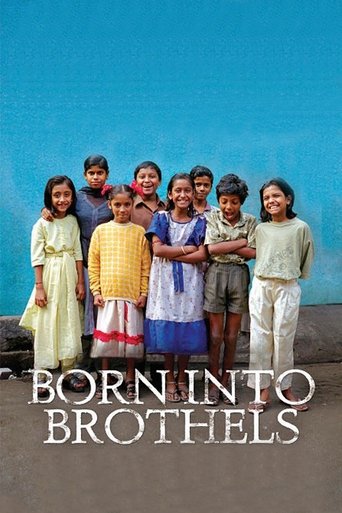
Documentary depicting the lives of child prostitutes in the red light district of Songachi, Calcutta. Director Zana Briski went to photograph the prostitutes when she met and became friends with their children. Briski began giving photography lessons to the children and became aware that their photography might be a way for them to lead better lives.

This timely, bold set of one-on-one interviews presents two of the most venerable figures from the American Left—renowned historian Howard Zinn and linguist and philosopher Noam Chomsky—each reflecting upon his own life and political beliefs. At the age of 88, Howard Zinn reflects upon the Civil Rights and anti–Vietnam War movements, political empires, history, art, activism, and his political stance. Setting forth his personal views, Noam Chomsky explains the evolution of his libertarian socialist ideals, his vision for a future postcapitalist society, the Enlightenment, the state and empire, and the future of the planet.
Far from the reverberations of contemporary society, the Guérande Salt Marshes have a rhythm of their own throughout the year. After winter restoration work, the mosaic of shallow salt pans are prepared, which let water circulate; combined with the effects of the sun and the wind, these allow the salt to crystallize. By the end of the process, as at the end of the film, the fine salt flower crystals float on the surface above the bigger crystals on the bottom in all directions at once.
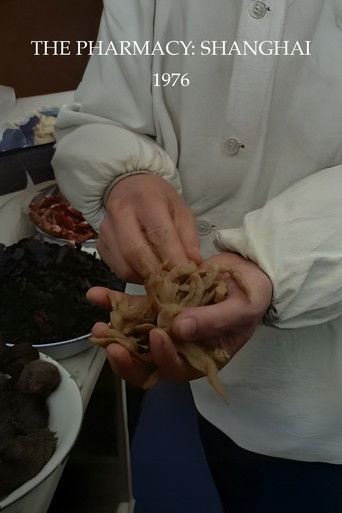
Filmed inside Pharmacy No. 3 in Shanghai, Joris Ivens and Marceline Loridan-Ivens document the daily work of a state pharmacy that functions as both a dispensary and a neighborhood medical center. The film focuses on routine interactions between staff and patients, revealing an integrated model of urban healthcare in 1970s China.