

Un viaje hacia nosotros
Documentary · History
Overview
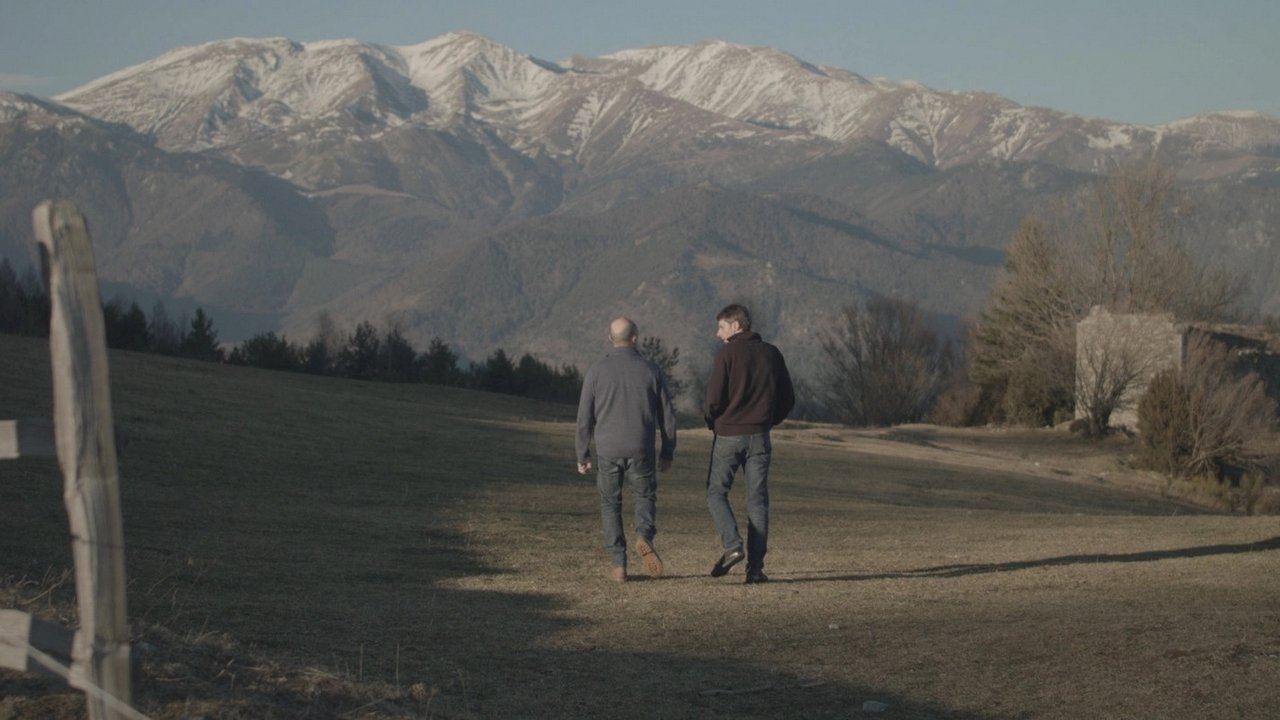
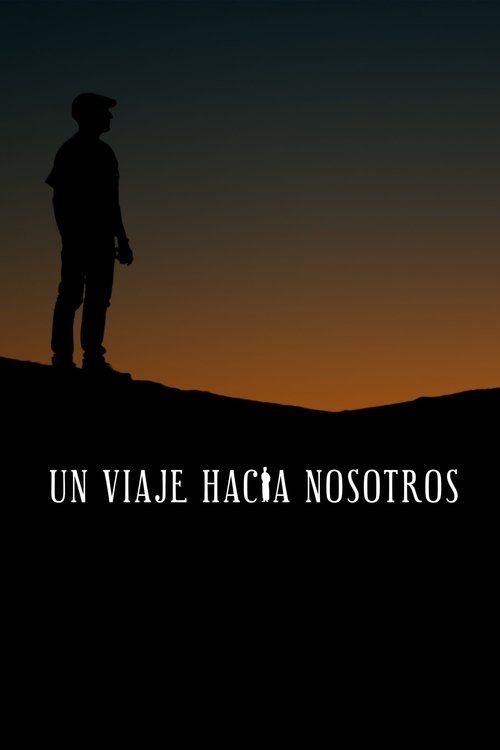
Spanish actor Pepe Viyuela embarks on a personal journey on the trail of his grandfather Gervasio, a soldier in the Republican Army during the Spanish Civil War.



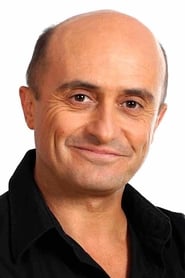
Pepe Viyuela
Pepe Viyuela
Self
Pepe Viyuela
Self
Camila Viyuela
Camila Viyuela
Self
Camila Viyuela
Self
Similar Movies
In 1945, beneath the oppressive shadow of the Francoist dictatorship, Juan, a university teacher assistant, meets Manuel during a chance encounter at night in a park. With their initial reservations, a complex love story unfolds between them, shaped by the turbulent political climate and the misunderstanding of those around them.
When a group of Eritrean refugees arrive in the small town of Härnösand there is a growing sentiment against them from the locals. 17-year old Sara Westin decides to found an anti-racist group to combat these feelings but when Sara and her best friend are murdered by Sara's Eritrean ex-boyfriend the feelings in the city reach a boiling point.
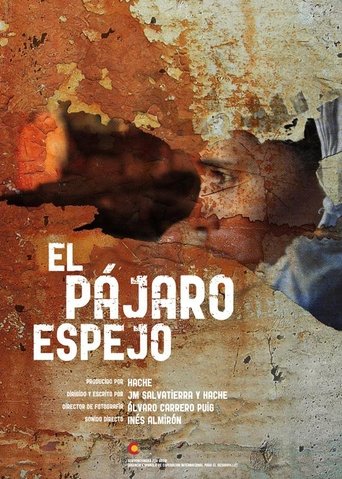
Bubisher, as well as being 'the bird of luck', is a word loaded with literary meaning in Spanish in the Sahrawi refugee camps of Tindouf. Seeing the way in which two cultures interact through small stories and tales can is striking and so is the contrast between the resilience of the young female generations and the realities of life in the desert. This documentary paints a picture of a generation of young female Sahrawis.

Those who do not know the Sahara think there is only sand in the desert. But in the desert there are children who play and draw and make movies, and who would like to not have to think about the war. In the desert there's a European colony, an occupied country called Western Sahara, where there are thousands of Sahrawi refugees living a hard life in exile. "Little Sahara" tells their story, the story of a supportive, resilient people who try to thrive and grow in the Hamada, where everything has a hard time growing.
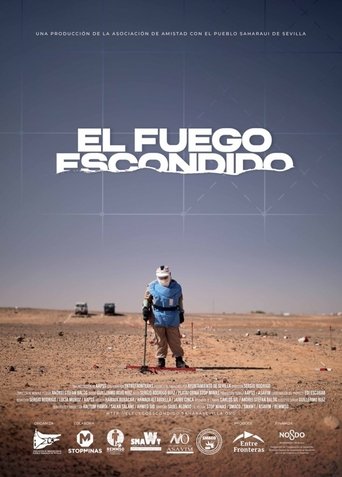
Silence always surrounds the mine, first when it explodes and then when it eternally haunts its victims. The history of the silence of this fire hidden by Morocco in the sand of Western Sahara has left more than 4,000 victims in what is considered the largest minefield in the world. Daha and Fatimetu suffered the effect of the silence of the mines, their lives changed forever, like that of the Saharawi people who, after 14 years cleaning the desert of artifacts, the rupture of the ceasefire have left the future of the contamination of their territory.
Sahrawi artist and visual poet Mohamed Sleiman Labat follows the story of the emerging phenomenon of small scale family gardens in his local community in the Hamada Desert. The film features the story of four families in Samara Camp with small scale gardens, their practices and the knowledge they develop as part of their practices in the garden. The camps are located in a very harsh environment with extreme climate conditions, and the Sahrawi are still dependent on international food aid.
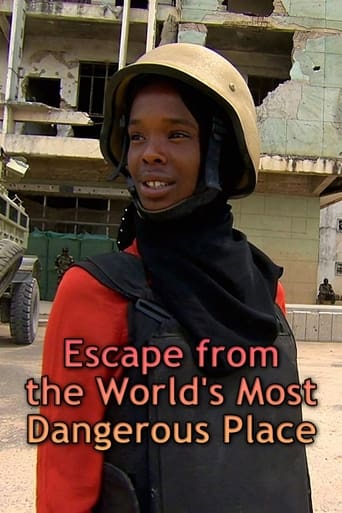
Successful model Samira Hashi makes an emotional return to Somalia, one of the most dangerous places in the world and the place she was born. Civil war broke out in 1991, 10 days after Samira's birth, but two years later her family managed to flee the country and she grew up in the UK.Now, as Samira and the war both turn 21, she's going back for the first time to visit the people and places she left behind. The contrast with her safe and glamorous life in London could not be starker as she experiences firsthand the war's effect on a generation of young people growing up in conflict.

David Riondino, an Italian film director, is coming to Spain to document the Atocha massacre of 1977, to make a film on its 50th anniversary. He will be helped by Alejandra, a young documentary filmmaker who urges him to contextualise the past with the current rise of the far right. By investigating the Atocha attack, David will recover a part of that recent past and at the same time will witness a reality that encourages reflection on some burning issues such as the advance of the far right, problems of access to housing and job insecurity.
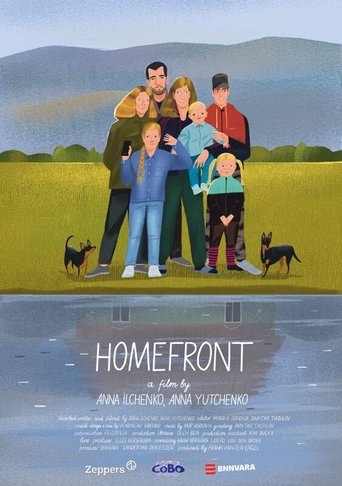
A family with five children flees the war raging in their home village on the Russian border. They end up in Mshanets, a farming village on the other side of the country, remote and unknown. Here the family starts building a new home. At the same time, two documentary makers come to the village, looking for a story. In the Lymar family they find the ideal characters for their film. But one day, when the renovation of their house is almost finished, the family disappears. The filmmakers go in search of their characters and along the way they try to find an answer to the question: what does a person need to feel at home?
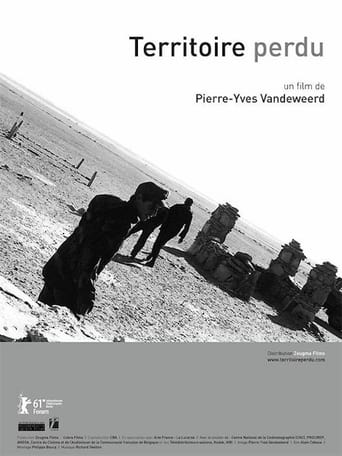
Straddling a 2,400-kilometer-long wall constructed by the Moroccan army, the Western Sahara is today divided into two sections — one occupied by Morocco, the other under the control of the Sahrawi National Liberation Movement’s Polisario Front. Drawing from stories of flight, exile, interminable waiting and the arrested, persecuted lives on both sides of that wall, this film bears witness to the Sahrawi people, their land, their entrapment in other people’s dreams. In an esthetic that sublimates the real, Lost Land resonates like a score that juxtaposes sonorous landscapes, black-and-white portraits and nomadic poetics.