

The Last Freedom of Georgy Konstantinov
Documentary
Overview
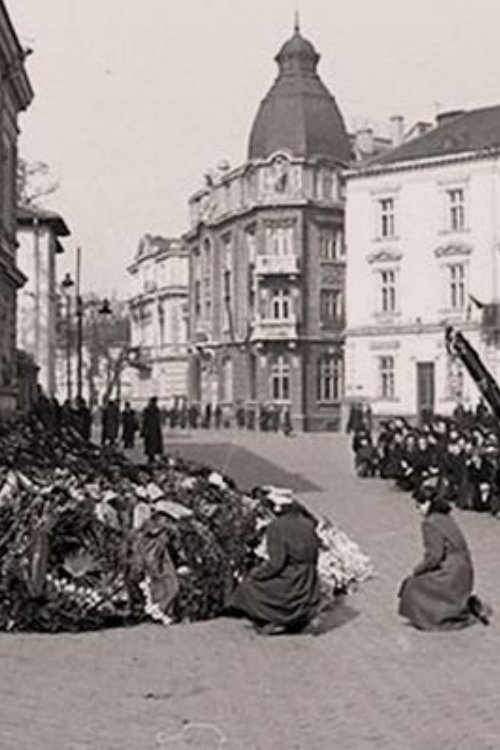
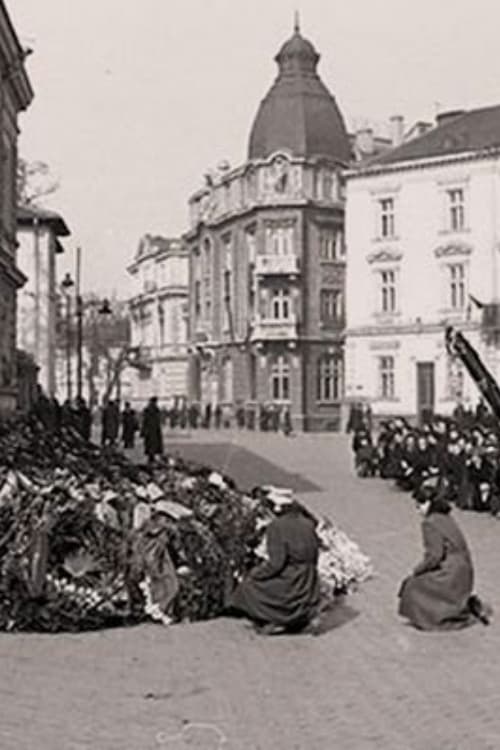
A film about the dramatic and extraordinary fate of the lonely man who confronted the meat grinder of the communist regime. Georgy Konstantinov, 19 years old, blew up Stalin's monument in Sofia and death passed him by only because the dictator died two days later. He miraculously survived 10 years in prison and psychiatric wards and managed to escape to France. His State Security file numbers more than 40,000 pages. Even today, he does not cease to expose the crimes of the regime with the strength of truth and of his character.
Top Cast


Georgy Konstantinov
Georgy Konstantinov
Himself
Georgy Konstantinov
Himself
Similar Movies
Vladimir Ilyich Ulyanov, better known as Lenin, is remembered as the instigator of the October Revolution of 1917 and, therefore, as one of the men who changed the shape of the world at that time and forever, but perhaps the actual events happened in a way different from that narrated in the history books…
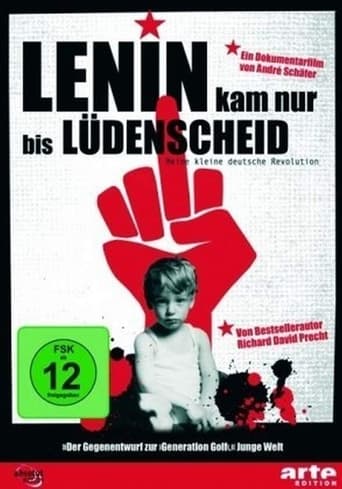
The free, almost naive view from the perspective of a child puts the "68ers" in a new, illuminating light in the anniversary year 2008. The film is a provocative reckoning with the ideological upbringing that seemed so progressive and yet was suffocated by the children's desire to finally grow up. With an ironic eye and a feuilletonistic style, author Richard David Precht and Cologne documentary film director André Schäfer trace a childhood in the West German provinces - and place the major events of those years in completely different, smaller and very private contexts.
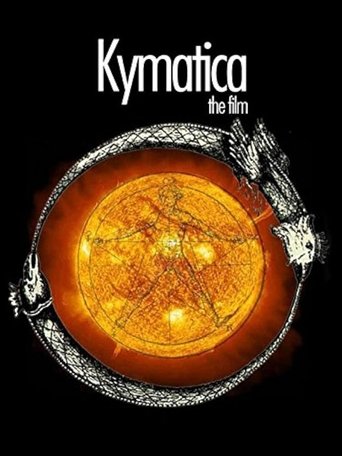
Ben Stewart, the bright young musician and philosopher who brought us the sleeper hit "Esoteric Agenda", unveils his new work, Kymatica!. Kymatica will venture into the realm of Cymatics and Shamanic practices. It will offer insight into the human psyche and discuss matters of spirituality, altered states of consciousness and much more! Not to be missed!
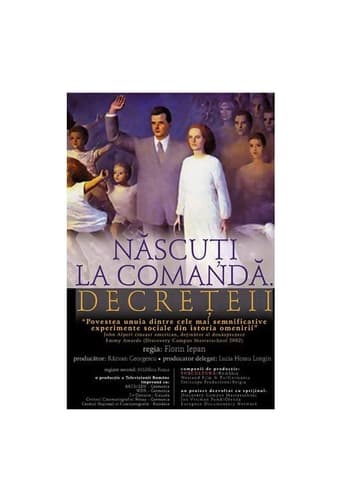
Procreation is the social duty of all fertile women, was the political thinking during the 1960s and 1970s in Romania. In 1966, Ceaucescu issued Decree 770, in which he forbade abortion for all women unless they were over forty or were already taking care of four children. All forms of contraception were totally banned. The New Romanian Man was born. By 1969, the country had a million babies more than the previous average. Romanian society was rapidly changing. By using very interesting archival footage and excerpts from old fiction films and by interviewing famous personalities from that time – gynecologists or mothers who were part of the new society - the director revives this period of tremendous oppression of personal freedom. Many deaths were caused by the mere fact that women, including wives of secret Romanian agents, famous TV presenters, and actresses, had to undergo illegal abortions. Many women were jailed for having them.
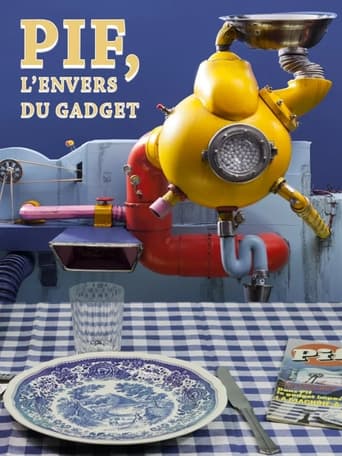
Taking stock of the extraordinary adventure of "Pif Gadget", a French publishing phenomenon of the 1970s-80s and even of the whole history of children's press. For the comic-strip magazine with the iconic dog, created in 1969 by the French Communist Party, often reached a million copies. With editions available for all of Europe (including Germany, under the title Yps), and on both sides of the Iron Curtain.
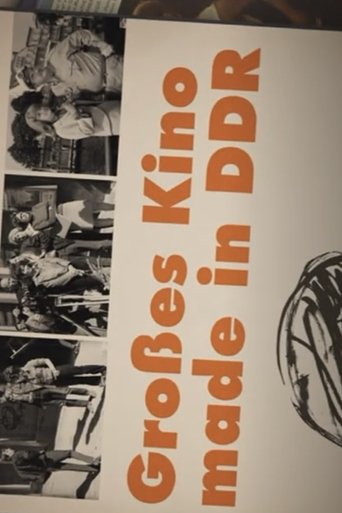
In 2016, DEFA celebrates its 70th anniversary: the film embarks on a journey into the exciting film history of the GDR. In a comprehensive kaleidoscope, the importance of DEFA productions is illuminated, the relevance of the films as propaganda productions for the GDR, which socio-political themes were in the foreground, but also which heroes DEFA brought to the screen and celebrated as people from the people.
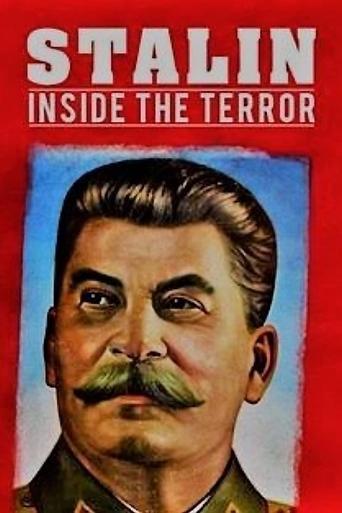
This program is an overview of the life and career of Joseph Stalin. It concentrates on describing and attempting to explain the origins of the policy of “terror” instigated by Stalin as leader of the USSR. There are interviews with surviving family members and experts all of whom attempt some sort of personality “analysis” of the dictator to explain his behaviour and policies. Another question that is examined is, given his record of “terror”, why was he so popular? Why did so many Russians mourn his death in 1953? This could be an overview and introduction to a study of both Stalin and USSR in the post revolution period.