


Stasi: A State Against Its People
Documentary · TV Movie
Overview
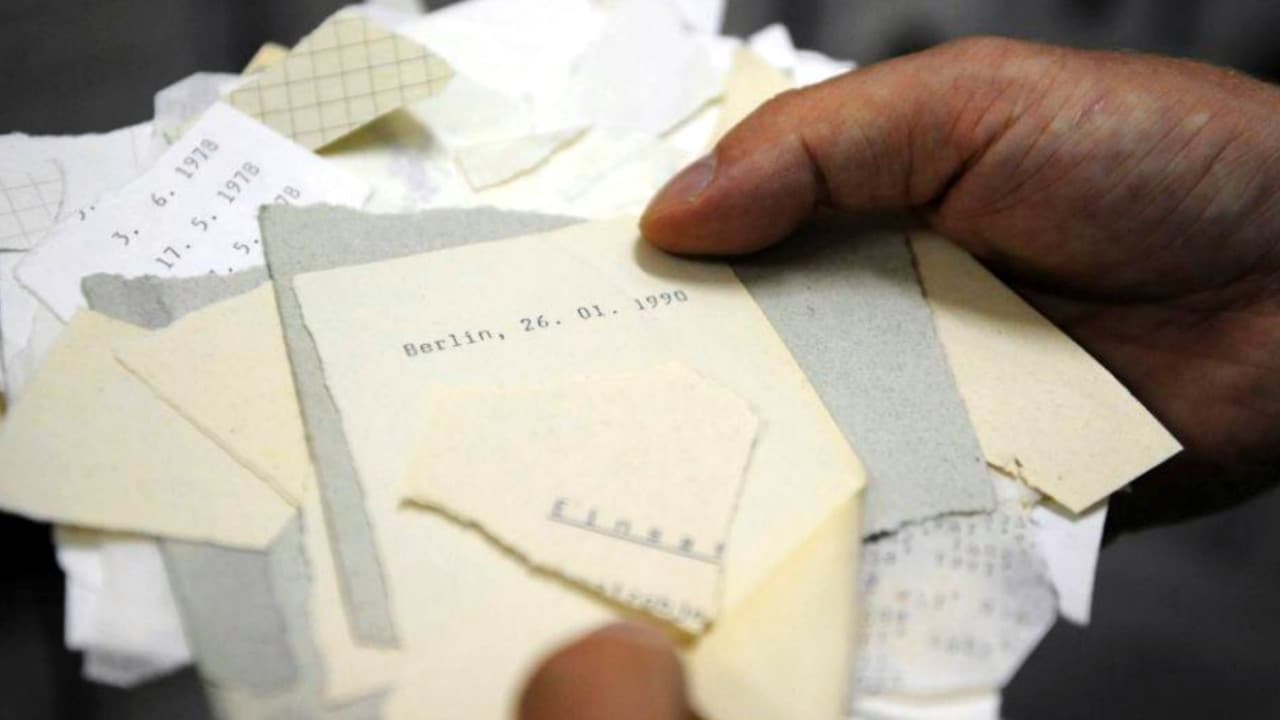
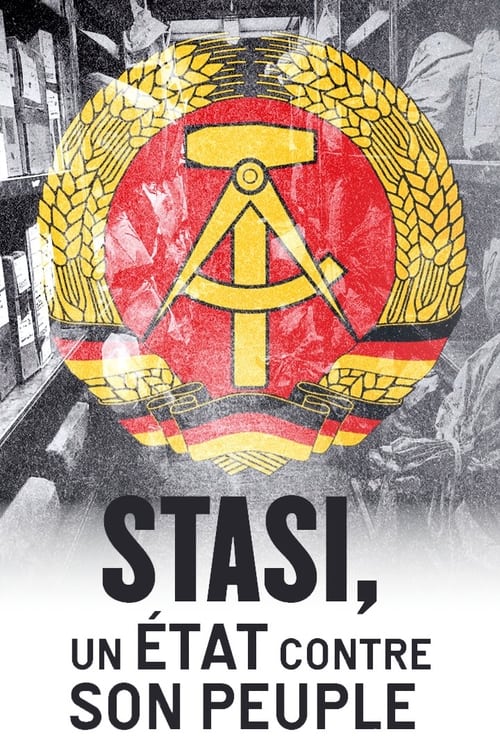
After the fall of the Berlin Wall, thousands of documents were hastily shredded by the dreaded GDR political police. 16,000 bags filled with six million pieces of paper were found. Thanks to the meticulous work of technology, the destinies of men and women who had been spied on and recorded without their knowledge could be reconstructed.
Top Cast






Véronique Augereau
Véronique Augereau
Narrator (voice)
Véronique Augereau
Narrator (voice)
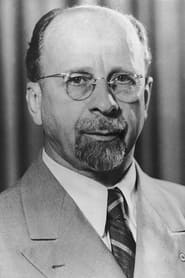
Walter Ulbricht
Walter Ulbricht
Self (archive footage)
Walter Ulbricht
Self (archive footage)
Karl Alich
Karl Alich
Self
Karl Alich
Self
Günther Grässler
Günther Grässler
Self
Günther Grässler
Self

Helmut Müller-Enbergs
Helmut Müller-Enbergs
Self
Helmut Müller-Enbergs
Self
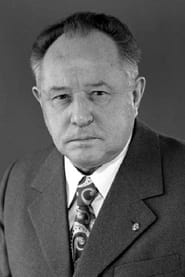
Erich Mielke
Erich Mielke
Self (archive footage)
Erich Mielke
Self (archive footage)
Bernd Roth
Bernd Roth
Self
Bernd Roth
Self
Günter Pelzl
Günter Pelzl
Self
Günter Pelzl
Self
Manfred Springer
Manfred Springer
Self
Manfred Springer
Self

Christian Booß
Christian Booß
Self
Christian Booß
Self
Similar Movies

Paul Robeson was a celebrated African-American Actor, Athlete, Singer, Writer, and Civil Rights Activist. Robeson's many achievements are chronicled in this program, ranging from playing with the NFL to graduating from Columbia Law School, performing on Broadway and in Hollywood films to founding the American Crusade against Lynching as well as Council on African Affairs. Robeson was one of the most talented performers of his time and a dedicated humanitarian who ultimately sacrificed fame and fortune for what he believed in. His association with Leftist Politics during the era of the Cold War, and frequent denouncing of American political parties led to his eventual blacklisting with other prominent writers and artists during the McCarthy Era. His talents in all areas are remarkable, and his dedication to attaining a peaceful coexistence between all the people of the world is truly admirable.
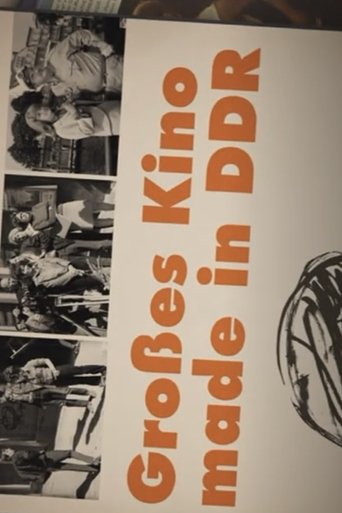
In 2016, DEFA celebrates its 70th anniversary: the film embarks on a journey into the exciting film history of the GDR. In a comprehensive kaleidoscope, the importance of DEFA productions is illuminated, the relevance of the films as propaganda productions for the GDR, which socio-political themes were in the foreground, but also which heroes DEFA brought to the screen and celebrated as people from the people.
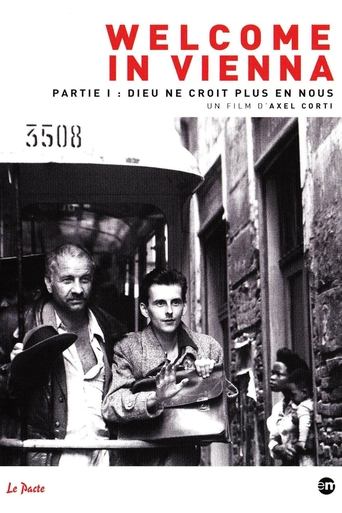
After his father is murdered by the Nazis in 1938, a young Viennese Jew named Ferry Tobler flees to Prague, where he joins forces with another expatriate and a sympathetic Czech relief worker. Together with other Jewish refugees, the three make their way to Paris, and, after spending time in a French prison camp, eventually escape to Marseille, from where they hope to sail to a safe port.
Xu Xin’s film “Dao Lu” (China 2012) offers an exclusive “in camera” encounter with Zheng Yan, an 83 year-old veteran of the Chinese Red Army, who calmly relates how he has navigated his country’s turbulent history over three-quarters of a century.Born to a wealthy family in a foreign concession, Yan joined the Chinese Communist Party (CCP) in 1941 because he sincerely believed in the socialist project, and in its immediate capacity to free China from the Japanese yoke and eradicate deep-rooted corruption.
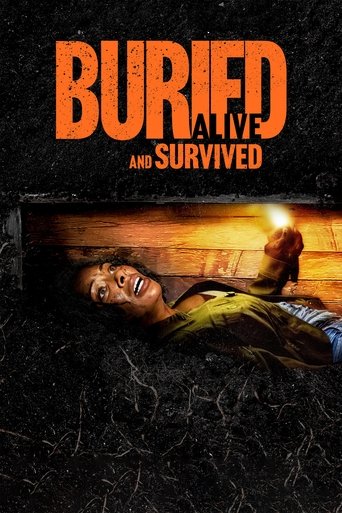
After Alicia's obsessive ex-husband Victor is released from prison, she is determined to protect herself and their son Malcolm. Alicia resists Victor's demands to reconcile and reunite as a family, but in a twisted turn of events, Victor traps Alicia underground and buries her alive. Alicia pushes down the panic and fear of suffocating and manages to claw her way of out of her grave. Now freed, she searches desperately for her son who she fears may be next. Inspired by a true story.
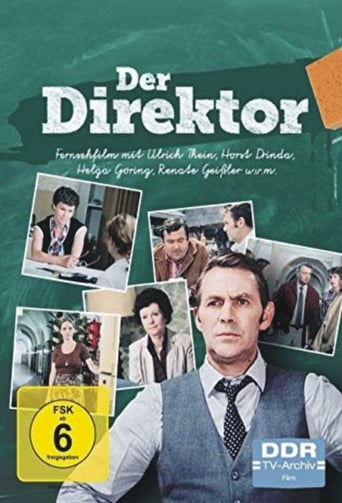
The school authorities want to read success stories in director Joachim Faber's reports. But they cannot simply be produced on an assembly line. Pupils, for example, use the wrong tone. The matter draws circles until the superiors finally talk about refusal to work. Director Faber is caught between the efforts to resolve the conflict with pedagogical means and the pressure from above.
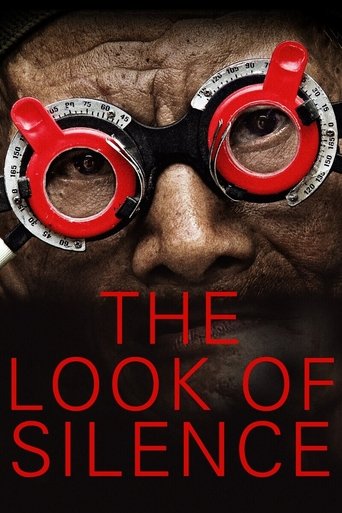
An Indonesian man with a communist background named Ramli was brutally murdered when the "Communist" purge occurred in 1965. His remaining family members lived in fear and silence until the making of this documentary. Adi, a brother of his, decided to revisit the horrific incident and visited the men who were responsible for the killings and one survivor of the purge. These meetings uncovered sadistic details of the murders and exposed raw emotions and reactions of the killers' family members about what happened in the past - much to Adi's disappointment.