

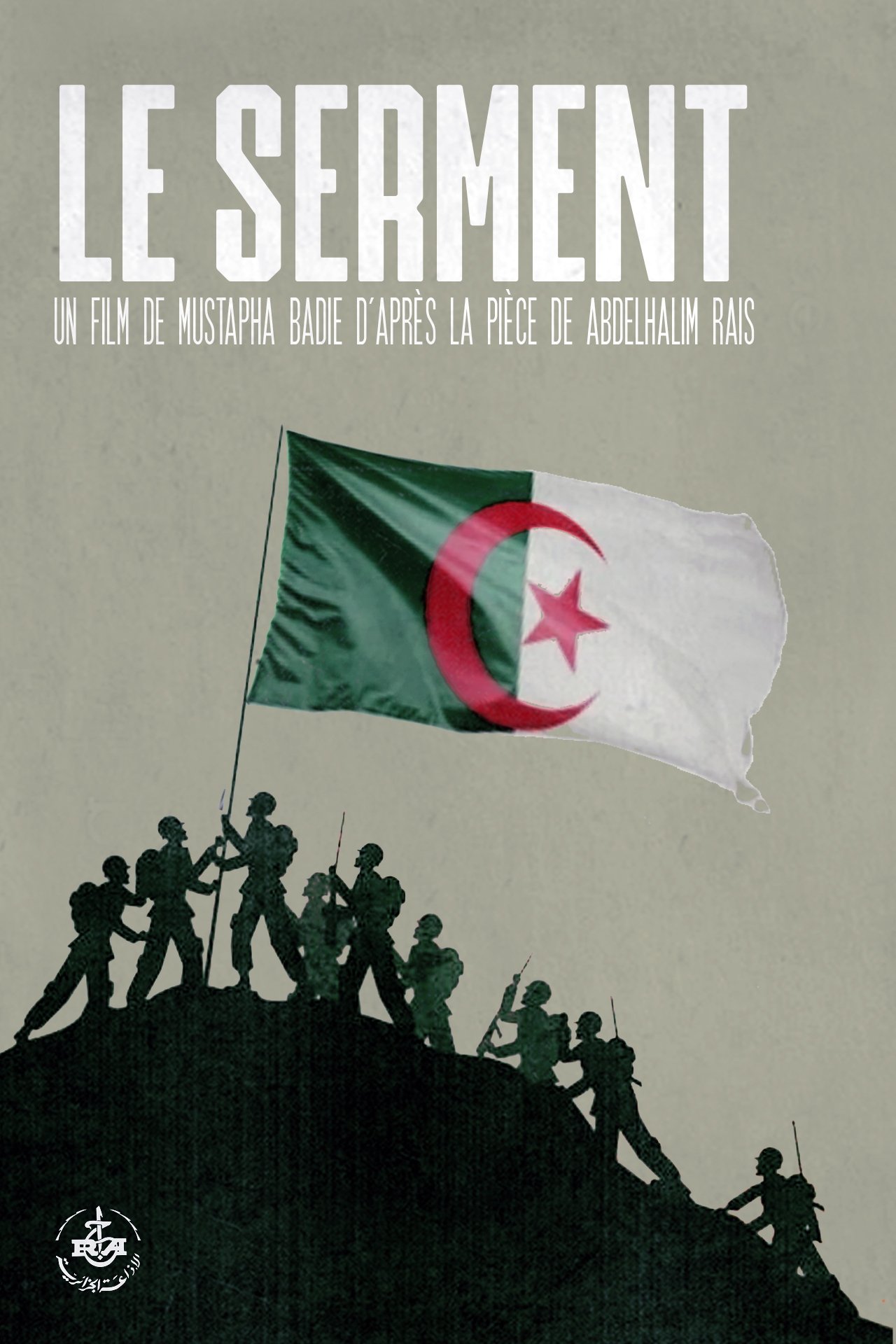
Le Serment
Drama · War
Overview
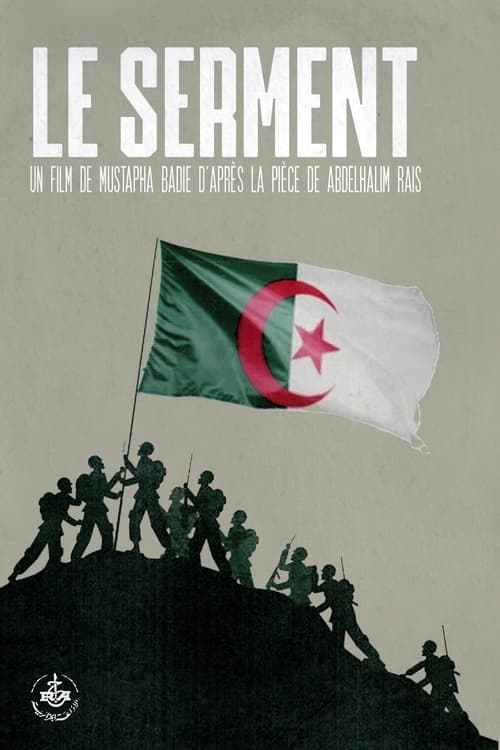
The Oath, a TV film produced by Algerian television in 1963 following the end of the war of independence, tells the story of young Algerians who joined the resistance after the bloody repressions of May 1945 in Constantinois by the French colonial army .





Taha El-Amiri
Taha El-Amiri
Taha El-Amiri
Abdelhalim Rais
Abdelhalim Rais
Abdelhalim Rais
Saïd Hilmi
Saïd Hilmi
Saïd Hilmi
Mohamed Ouaniche
Mohamed Ouaniche
Mohamed Ouaniche
Similar Movies
In 1958 in Paris, during the Algerian War, a young trainee lawyer, Maître Chabrier, was assigned to defend an Algerian garbage collector against paratroopers who had beaten him. Stay out of Algerian affairs, his peers advise him because the trial is taking a political turn. Chabrier acquired the reputation of the Fellaghas' lawyer.
The story of the post-independence nationalization of the mill of Monsieur Fabre, an old man attached to the land of Algeria where he was born. In this small town in eastern Algeria, there was nothing else to nationalize and they were actively preparing for the arrival of high dignitaries who would elevate the mill to the rank of an industrial flour mill even though it was threatened with ruin. The comedy gets worse when the football player from the local team withdraws for love, the officials' visit is canceled and Mr. Fabre returns.
Parisian authorities clash with the Front de Libération Nationale (FLN) in director Alain Tasma’s recounting of one of the darkest moments of the Algerian War of Independence. As the war wound to a close and violence persisted in the streets of Paris, the FLN and its supporters adopted the tactic of murdering French policemen in hopes of forcing a withdrawal. When French law enforcement retaliated by brutalizing Algerians and imposing a strict curfew, the FLN organizes a peaceful demonstration that drew over 11,000 supporters, resulting in an order from the Paris police chief to take brutal countermeasures. Told through the eyes of both French policemen as well as Algerian protestors, Tasma’s film attempts to get to the root of the tragedy by presenting both sides of the story.
This excellent feature-length documentary - the story of the imperialist colonization of Africa - is a film about death. Its most shocking sequences derive from the captured French film archives in Algeria containing - unbelievably - masses of French-shot documentary footage of their tortures, massacres and executions of Algerians. The real death of children, passers-by, resistance fighters, one after the other, becomes unbearable. Rather than be blatant propaganda, the film convinces entirely by its visual evidence, constituting an object lesson for revolutionary cinema.
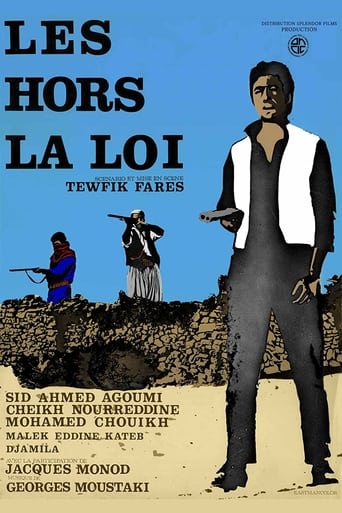
In prison in colonial Algeria, shortly after the end of the Second World War, three indigenous cellmates make out. Once free, they attack the authority represented by the triad of the boss, the gendarme and the administrator. “Living the colonial condition,” confided Tewfik Farès, “is something! It’s not sociologically or historically speaking. It’s life. And I think that’s all there in it. [...] For a hundred and thirty years, we wait. We hold back. We push back. We hope. At the same time, on different occasions, there are skirmishes, unrest.
Algiers, a few years after the civil war. Amal and Samir have decided to celebrate their twentieth wedding anniversary in a restaurant. While on their way, their share their views on Algeria: Amal talks about lost illusions and Samir about the necessity to cope with them. At the same time, their son Fahim and his friends Feriel and Reda are wandering about in a hostile Algiers about to steal their youth.