

The House of Dust
Overview
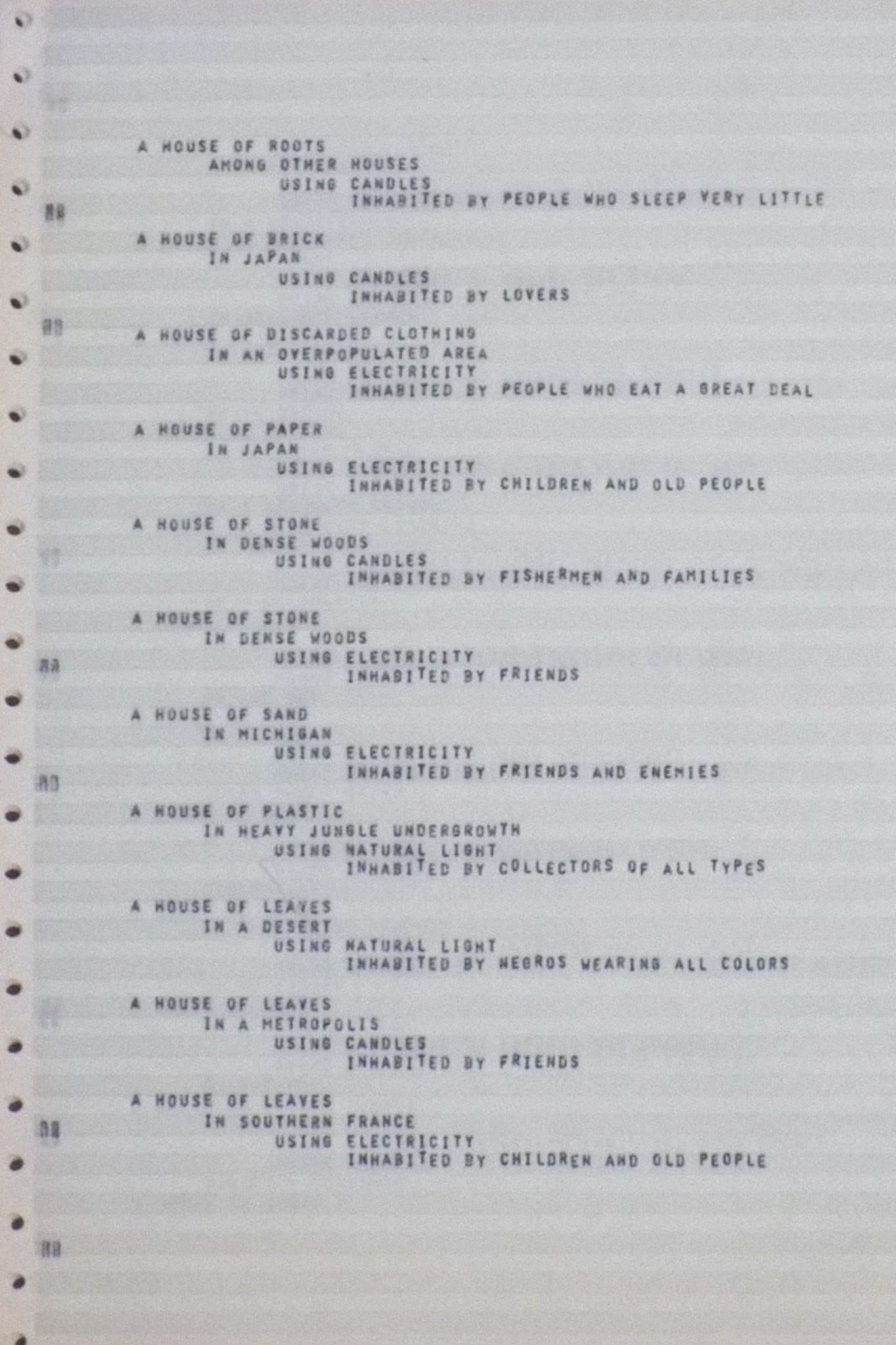
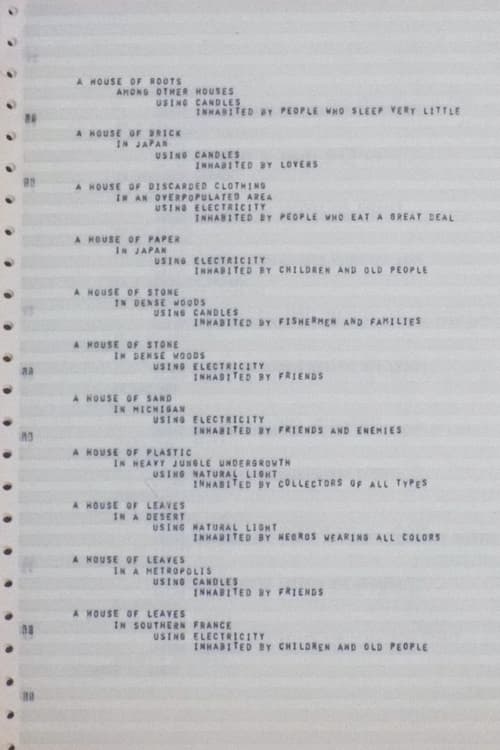
In 1967, Knowles, a Fluxus artist, composed one of the first computerized poems, written in Fortran code, with randomly assembled verses. (An example: “A house of steel / Among high mountains / Using candles / Inhabited by people who sleep almost all the time.”) This significant, jam-packed exhibition revives Knowles’s poem on an old-school dot-matrix printer, and includes related ephemera, including a film by Allan Kaprow. The show also highlights forebears of Knowles’s aleatory composition, with a never-completed book by Mallarmé whose pages could be reordered at will, as well as Marcel Broodthaer’s 1969 homage to it. There are also successors: Nicholas Knight’s intricate paintings of overlapping colored curves were generated by an algorithm, and Katarzyna Krakowiak’s audio piece remixes Knowles’s original poem into skittering musique concrète.
Top Cast



Alison Knowles
Alison Knowles
Herself
Alison Knowles
Herself
Jessica Higgins
Jessica Higgins
Herself
Jessica Higgins
Herself
Joshua Selman
Joshua Selman
Himself
Joshua Selman
Himself
Clara Joy
Clara Joy
Herself
Clara Joy
Herself
Andrew Hubert
Andrew Hubert
Himself
Andrew Hubert
Himself
Similar Movies
The film explores the sexual aspects of Serbian folklore. Ancient myths that have trickled into everyday household remedies or explanations are juxtaposed with the joys of the female and male sexual forms from which all human life originates. Functioning as both sexual liberation and reinvented modern myth, Balkan Erotic Epic is a display of the need for a cultural change in viewpoint around sex.

Meet Shavon O'Brien: Her family doesn't understand her, her church ignores her, even Jesus forgets about her. With only the spirit of Sinead O'Connor to guide her, Shavon battles institutional child abuse, narcissistic group think, a talking stomach and a singing poop bucket! Shavon goes from Catholic to Crusty Punk in this very, very, very, dark musical comedy!

Prometheus, on an Odyssean journey, crosses the Brooklyn Bridge in search of the characters of his imagination. After meeting the Muse, he proceeds to the "forest." There, under an apple tree, he communes with his selves, represented by celebrated personages from the New York "underground scene" who appear as modern correlatives to the figures of Greek mythology. The filmmaker, who narrates the situations with a translation of Aeschylus' Prometheus Bound, finds the personalities of his characters to have a timeless universality.
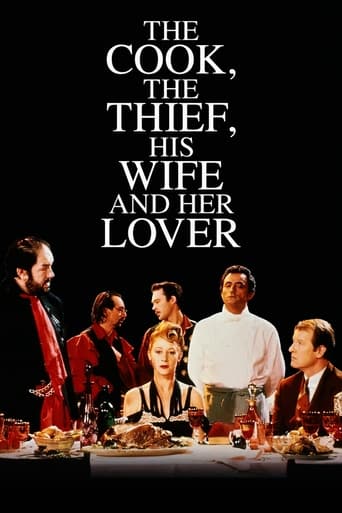
When churlish mobster Albert Spica acquires an upscale French restaurant in London, he dines there nightly, effectively scaring off the clientele with his bad manners. His wife, Georgina, is especially disgusted by him, and soon begins an affair with regular guest Michael. Despite their best efforts to keep it secret, Spica learns about their trysts, and he plots a terrible revenge.
Among Tooming's filmic works, Endless Day provides perhaps the most eloquent material for investigating the radical renewal of visual and narrative form, as well as the shifting registers of spatio-social portrayals and critiques in Estonian cinema. It was banned in 1971 and ordered to be destroyed. However, the film was retained and restored in the 1990s.
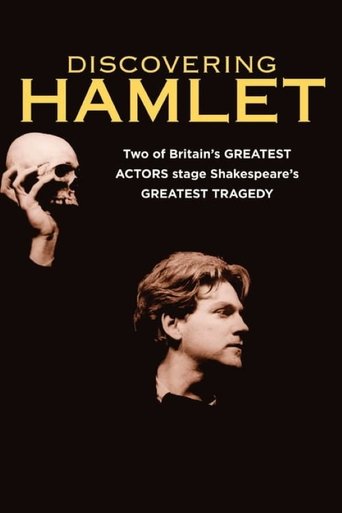
IN 1988, rising star Kenneth Branagh tackled the role of Shakespeare’s prince of Denmark for the first time in his professional career under the guidance of celebrated actor Derek Jacobi. Narrated by Patrick Stewart, this hour-long film documents how Kenneth Branagh and Derek Jacobi, two intelligent and passionate men, found new depths in Shakespeare’s classic drama, Hamlet. Filmmakers Mark Olshaker and Larry Klein follow the company through four weeks of rehearsals, from the first read-throughs to opening night.

In 2012 two members of anarchistic female band Pussy Riot were sentenced to two years in a Mordovian labor camp for "hooliganism motivated by religious hatred". Russian film collective Gogol’s Wives follow each step of the feminist punk band’s battle against Putin including their first disruptive performances on a trolley bus, shooting a video about transparent elections, a controversial performance in a Red Square cathedral, and footage shot in a jail cell. Support comes from many corners including Madonna who painted the words "Pussy Riot" on her back and wore a balaclava during her Moscow show. The documentary portrays the grim state of present-day Russia, a country starkly divided between conservatism and anarchy. Pussy Riot believes that art has to be free and they're willing to take it to extremes. "Pussycat made a mess in the house," they say, and the house is Russia. The filmmakers do not seek to moralize, they simply edit events and leave viewers to draw their own conclusions.