

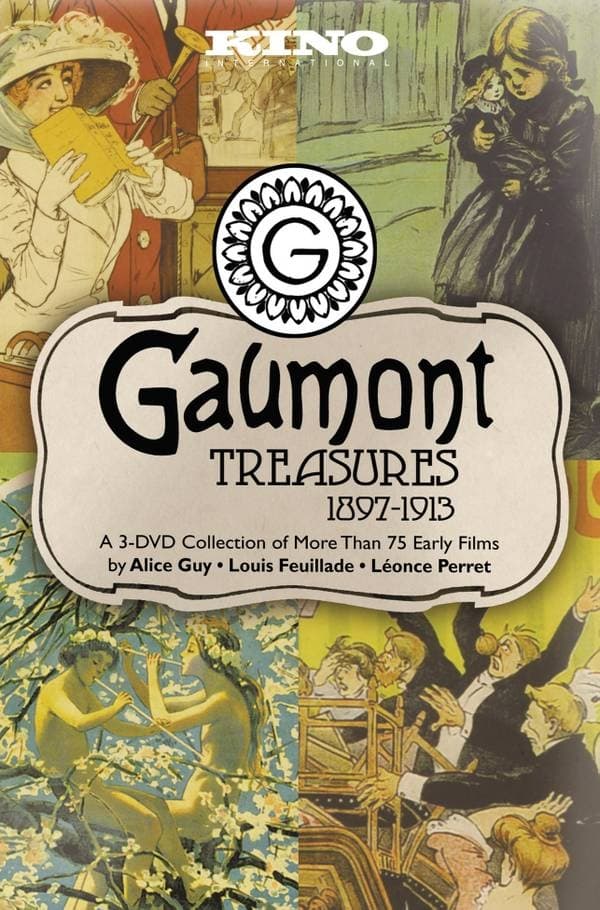
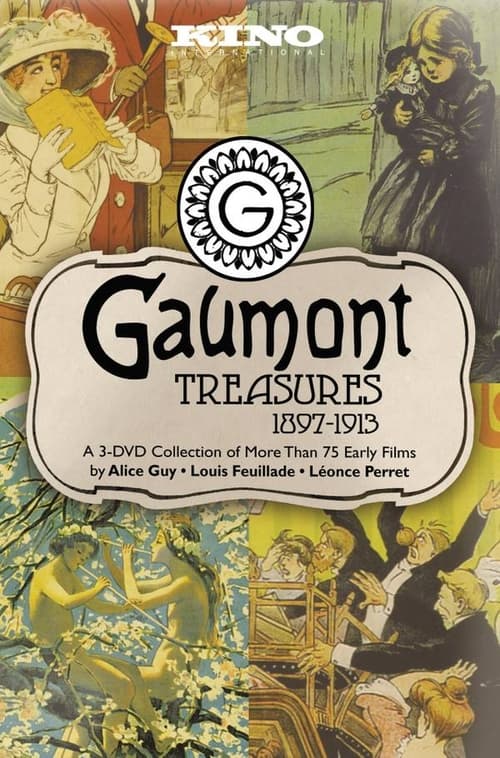
Gaumont Treasures 1897-1913
Documentary · Drama · Comedy
Overview
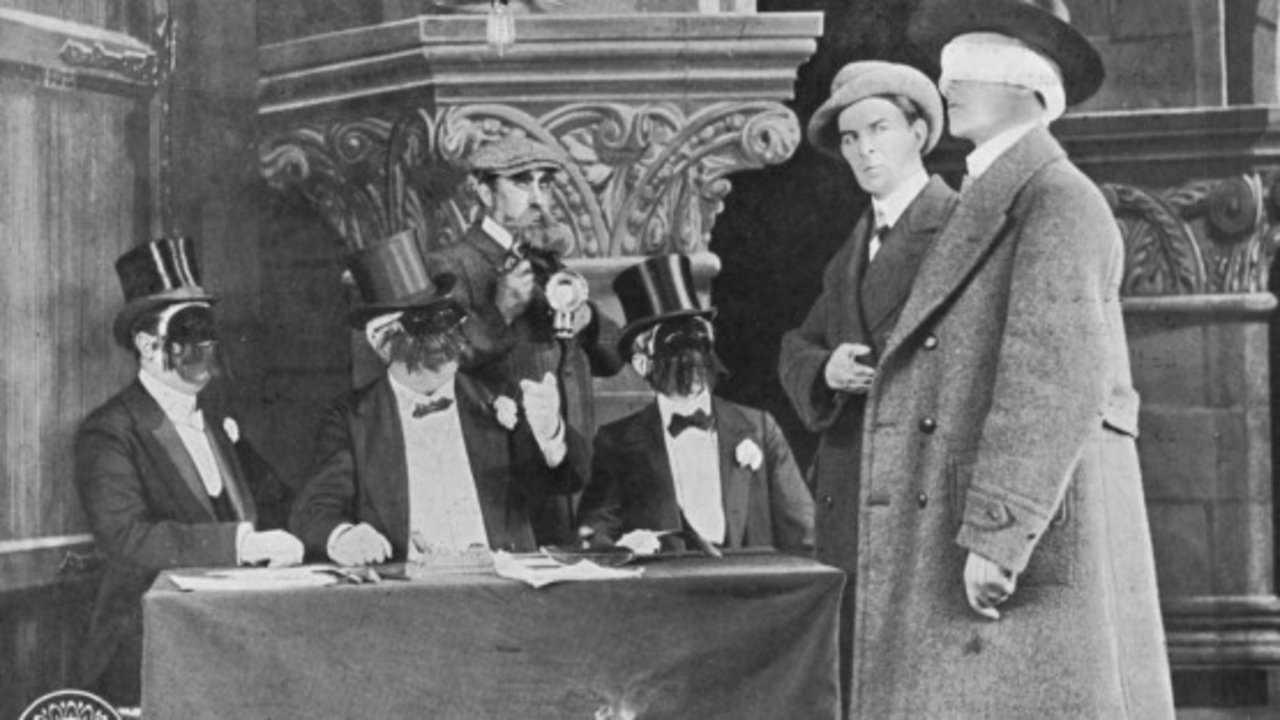
A 3 Part Collection of More Than 75 Early Films by Alice Guy, Louis Feuillade and Léonce Perret. The invention of cinema—and its growth into a sophisticated art form—are vividly brought to life in this massive collection of films from the early years of the influential Gaumont Film Company. Each disc is devoted to one of Gaumont’s artistic directors, who oversaw all film production at the studio, and profoundly influenced not only the identity of the studio but also the evolution of the cinema itself.




No cast information.
Similar Movies
Why are we still able, today, to view images that were captured over 125 years ago? As we enter the digital age, audiovisual heritage seems to be a sure and obvious fact. However, much of cinema and our filmed history has been lost forever. Archivists, technicians and filmmakers from different parts of the world explain what audiovisual preservation is and why it is necessary. The documentary is a tribute to all these professionals and their important work.
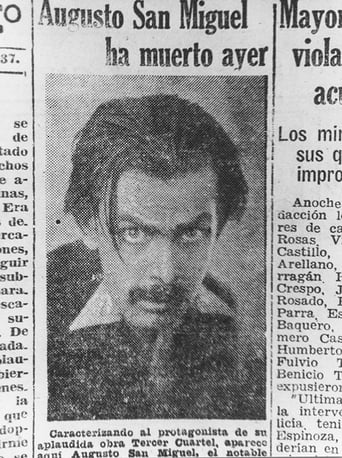
During the 1920's, Augusto San Miguel (1905-1937) directed, produced and starred in the first feature films made in Ecuador. Unfortunately, San Miguel's films -like many episodes of his life- disappeared in time. The only remains are the movie ads on old newspapers and a mysterious legend, by which San Miguel was buried with his films.
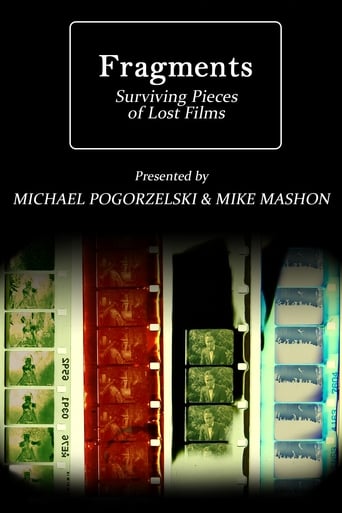
Among the pieces featured in Fragments are the final reel of John Ford's The Village Blacksmith (1922) and a glimpse at Emil Jannings in The Way of All Flesh (1927), the only Oscar®-winning performance in a lost film. Fragments also features clips from such lost films as Cleopatra (1917), starring Theda Bara; The Miracle Man (1919), with Lon Chaney; He Comes Up Smiling (1918), starring Douglas Fairbanks; an early lost sound film, Gold Diggers of Broadway (1929), filmed in early Technicolor, and the only color footage of silent star Clara Bow, Red Hair (1928). The program is rounded out with interviews of film preservationists involved in identifying and restoring these films. Also featured is a new interview with Diana Serra Cary, best known as "Baby Peggy", one of the major American child stars of the silent era, who discusses one of the featured fragments, Darling of New York (1923).
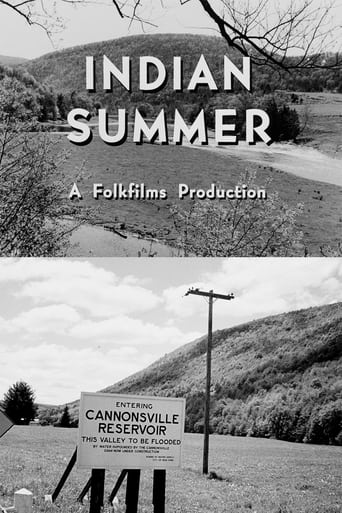
On the first hot day of summer, an old farmer goes fishing just as he has done for many years on the West Branch of the Delaware River. A young boy, his frequent fishing companion, eagerly takes him to see the first giant bulldozers, which are to begin construction on the Cannonsville Reservoir. In order to provide more water for the cities, the vast project will flood the valley. The old man goes to the general store and walks the length of the valley to talk about his concerns, but most people do not support him. The young people of the valley celebrate at a barn dance. The old man resists eviction with his unloaded flintlock. The next day, he watches as the houses and farms are burned to clear the way. His friend, the fiddler, picks him up and takes him and his few belongings away.