

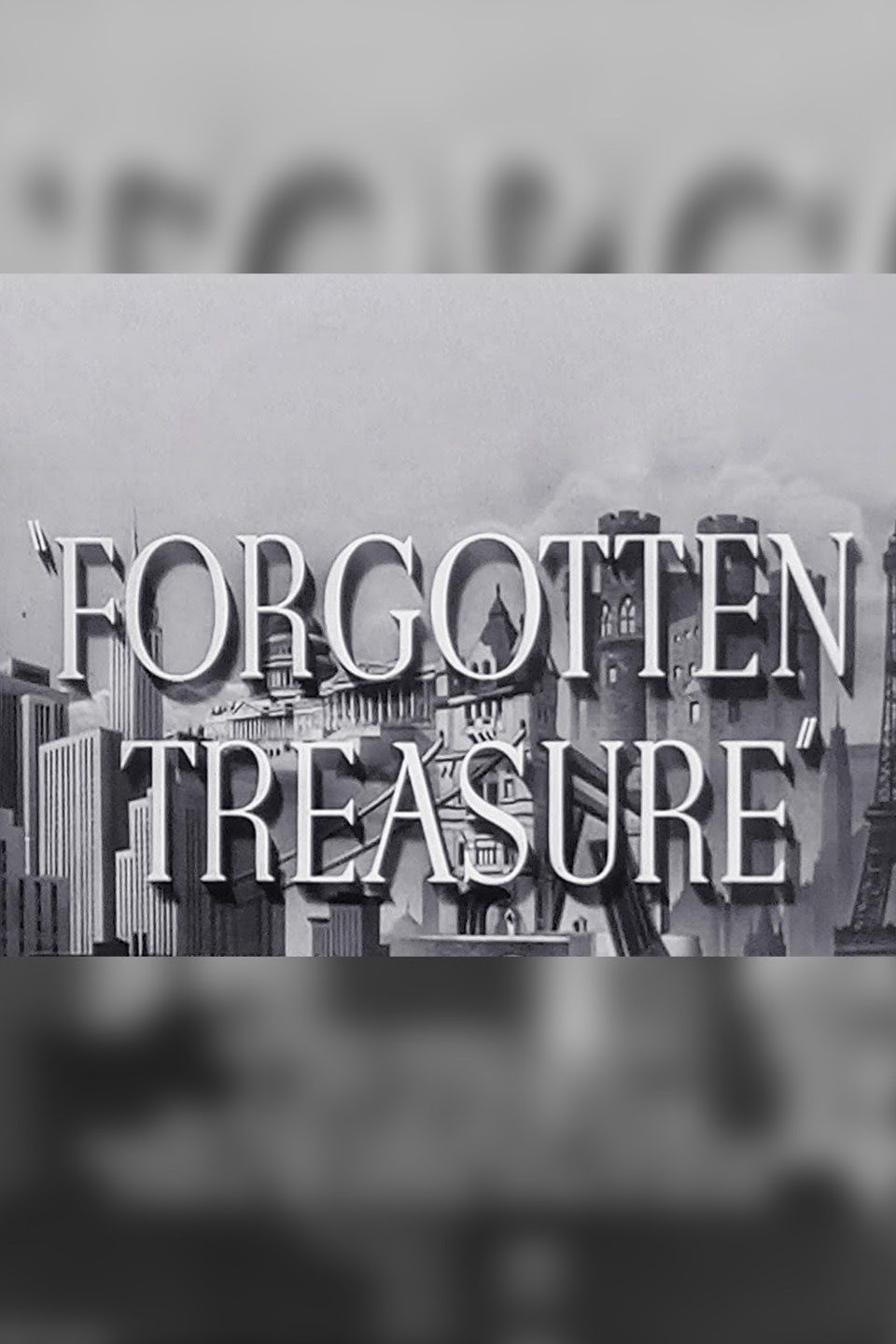
Forgotten Treasure
Documentary · History
Overview
This John Nesbitt's Passing Parade series short highlights the film preservation efforts of the Museum of Modern Art in New York. Several scenes from early newsreels are shown.
Top Cast

John Nesbitt
Narrator (voice)
Roger Moore
Man Examining Film Strip (uncredited)
Emmett Vogan
Lab Assistant (uncredited)
Archduke Franz Ferdinand
Self (archive footage)
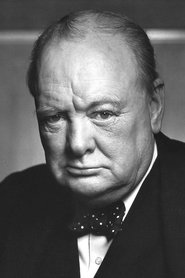
Winston Churchill
Self (archive footage)
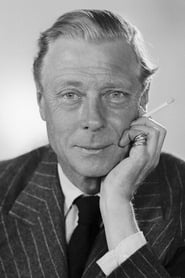
King Edward VIII of the United Kingdom
Self (archive footage)
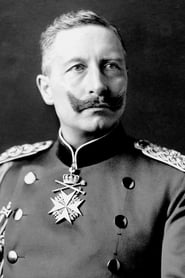
Emperor Wilhelm II of Germany
Self (archive footage)
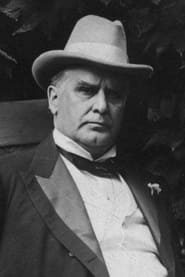
William McKinley
Self (archive footage)
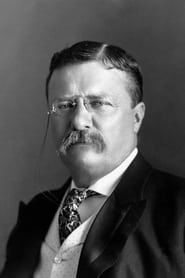
Theodore Roosevelt
Self (archive footage)
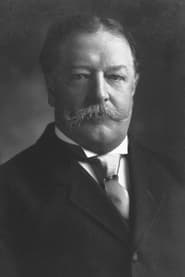
William Howard Taft
Self (archive footage)
King Manoel II
Self (archive footage)
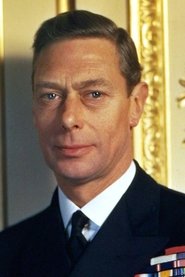
King George VI of the United Kingdom
Self (archive footage)




John Nesbitt
John Nesbitt
Narrator (voice)
John Nesbitt
Narrator (voice)
Roger Moore
Roger Moore
Man Examining Film Strip (uncredited)
Roger Moore
Man Examining Film Strip (uncredited)
Emmett Vogan
Emmett Vogan
Lab Assistant (uncredited)
Emmett Vogan
Lab Assistant (uncredited)
Archduke Franz Ferdinand
Archduke Franz Ferdinand
Self (archive footage)
Archduke Franz Ferdinand
Self (archive footage)
Winston Churchill
Winston Churchill
Self (archive footage)
Winston Churchill
Self (archive footage)
King Edward VIII of the United Kingdom
King Edward VIII of the United Kingdom
Self (archive footage)
King Edward VIII of the United Kingdom
Self (archive footage)
Emperor Wilhelm II of Germany
Emperor Wilhelm II of Germany
Self (archive footage)
Emperor Wilhelm II of Germany
Self (archive footage)
William McKinley
William McKinley
Self (archive footage)
William McKinley
Self (archive footage)
Theodore Roosevelt
Theodore Roosevelt
Self (archive footage)
Theodore Roosevelt
Self (archive footage)
William Howard Taft
William Howard Taft
Self (archive footage)
William Howard Taft
Self (archive footage)
Similar Movies
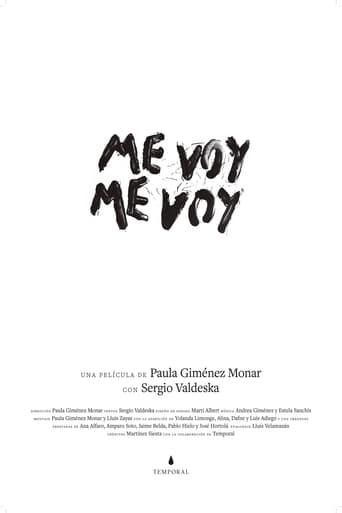
December 31, 2015. The Valencian bookstore Valdeska closed its doors permanently after forty years of activity. The result of four years of monitoring and filming, these 31 minuts of run time are part of a book unread, unknown and undiscovered. "Me voy. Me voy" it's not the story of a bookstore, not the portrait of an exceptional bookseller, it's a will to attach the things in the filmed image, to make something lasting showing the moment of its disappearence.
"In 1904, disgusted by the aftermath of the Spanish-American War and the subsequent Philippine-American War, Mark Twain wrote a short anti-war prose poem called "The War Prayer." His family begged him not to publish it, his friends advised him to bury it, and his publisher rejected it, thinking it too inflammatory for the times. Twain agreed, but instructed that it be published after his death, saying famously: None but the dead are permitted to tell the truth."

One Thousand and One Attempts to Be an Ocean reflects on the experience of not being able to see the world with depth perception. Made up of micro-events from "satisfying video" that swarm on the internet, the abstract narrative unfolds through an appropriation way by referring to trance and minimal music. It's about a desire for groundless waves, blended with today's inexorable entropy of our information societies.
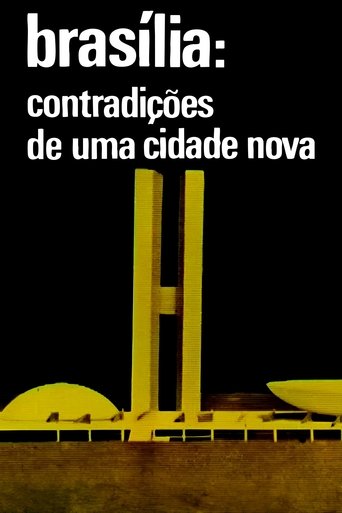
In 1967, de Andrade was invited by the Italian company Olivetti to produce a documentary on the new Brazilian capital city of Brasília. Constructed during the latter half of the 1950s and founded in 1960, the city was part of an effort to populate Brazil’s vast interior region and was to be the embodiment of democratic urban planning, free from the class divisions and inequalities that characterize so many metropolises. Unsurprisingly, Brasília, Contradições de uma Cidade Nova (Brasília, Contradictions of a New City, 1968) revealed Brasília to be utopic only for the wealthy, replicating the same social problems present in every Brazilian city. (Senses of Cinema)