

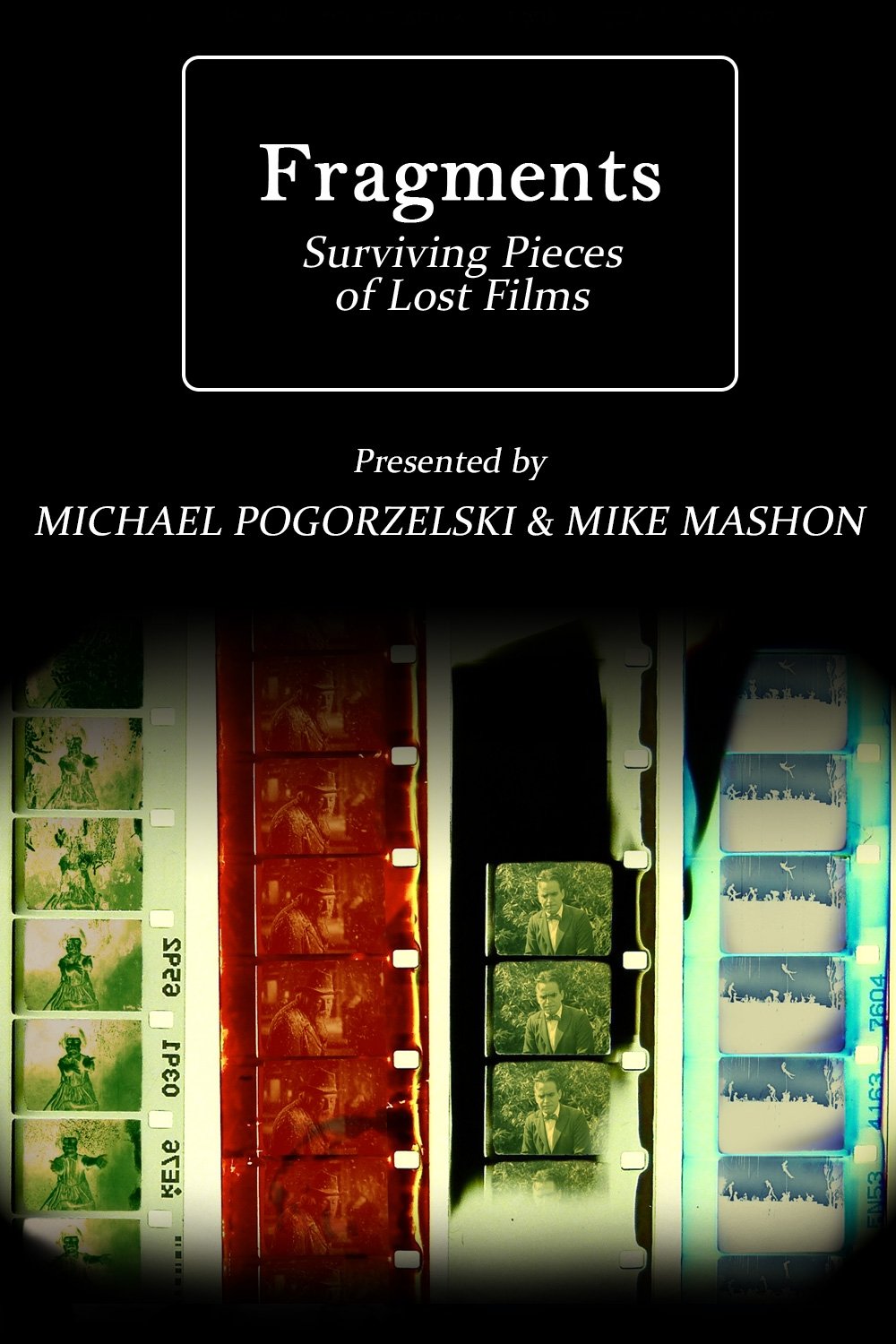
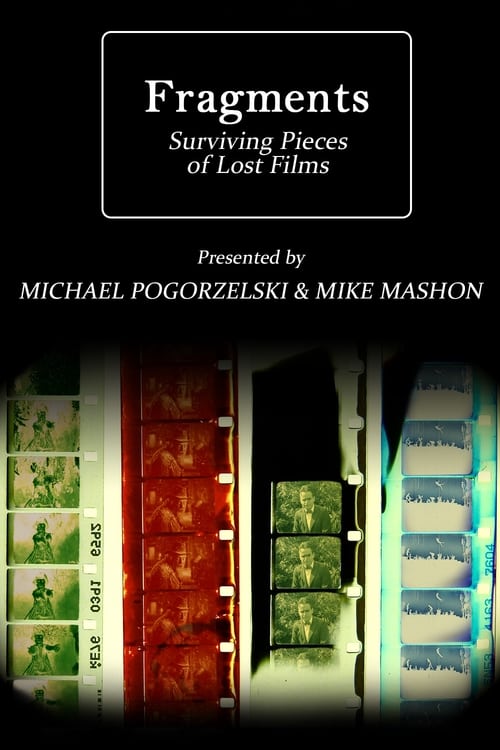
Fragments: Surviving Pieces of Lost Films
Documentary · TV Movie
Overview
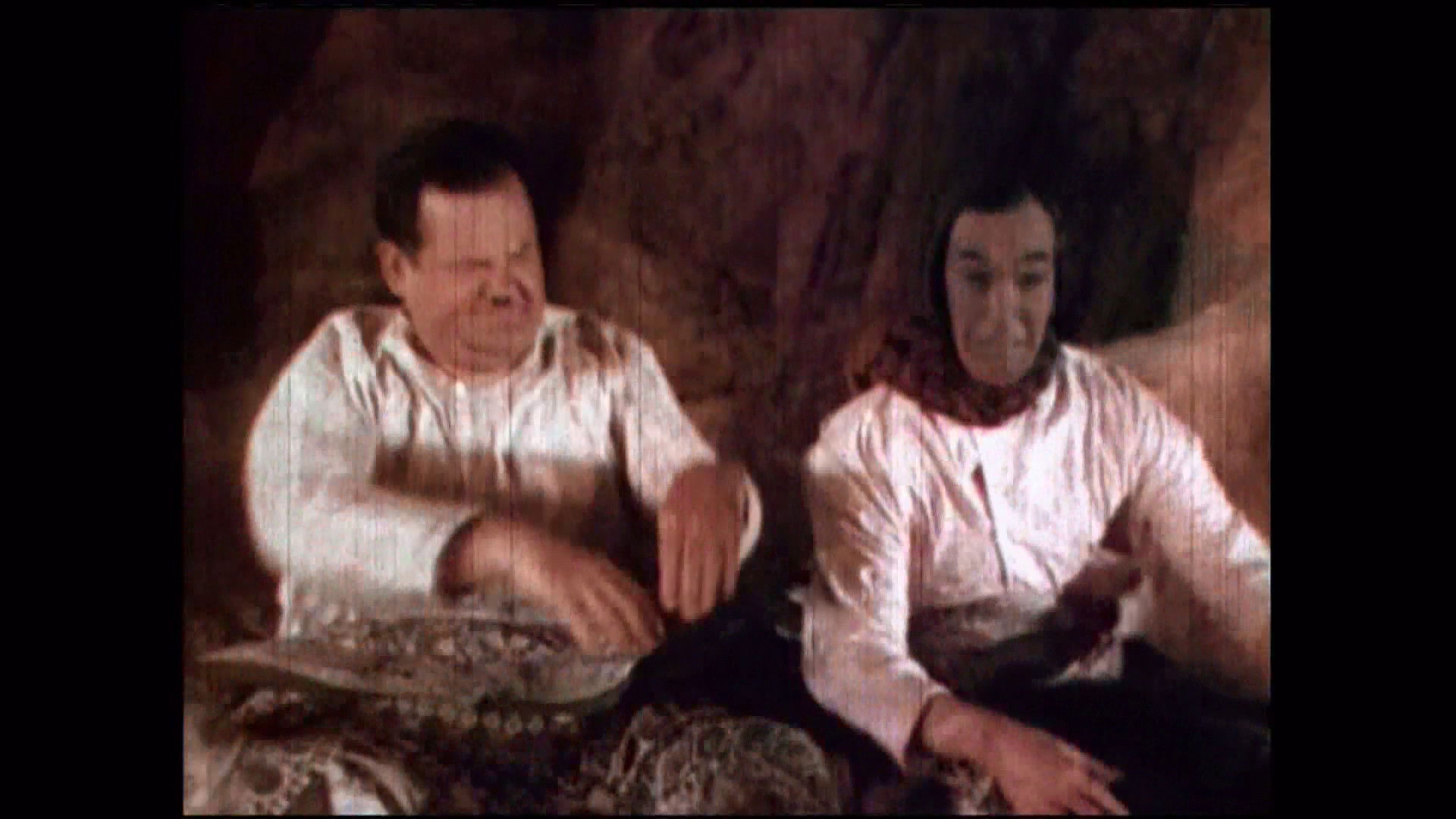
Among the pieces featured in Fragments are the final reel of John Ford's The Village Blacksmith (1922) and a glimpse at Emil Jannings in The Way of All Flesh (1927), the only Oscar®-winning performance in a lost film. Fragments also features clips from such lost films as Cleopatra (1917), starring Theda Bara; The Miracle Man (1919), with Lon Chaney; He Comes Up Smiling (1918), starring Douglas Fairbanks; an early lost sound film, Gold Diggers of Broadway (1929), filmed in early Technicolor, and the only color footage of silent star Clara Bow, Red Hair (1928). The program is rounded out with interviews of film preservationists involved in identifying and restoring these films. Also featured is a new interview with Diana Serra Cary, best known as "Baby Peggy", one of the major American child stars of the silent era, who discusses one of the featured fragments, Darling of New York (1923).
Top Cast
Baby Peggy
Herself
Heather Linville
Herself - Film Preservationist: Academy Film Archive
Mike Mashon
Himself
Michael Pogorzelski
Himself
King Baggot
Himself (archive footage)
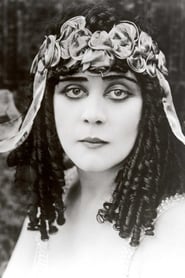
Theda Bara
Herself (archive footage)
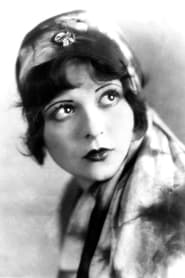
Clara Bow
Herself (archive footage)
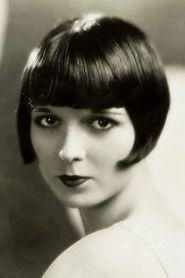
Louise Brooks
Herself (archive footage)
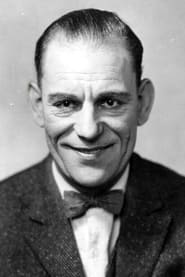
Lon Chaney
Himself (archive footage)
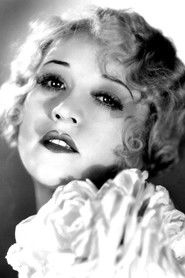
Betty Compson
Herself (archive footage)
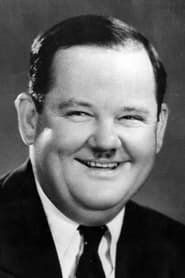
Oliver Hardy
Himself (archive footage)
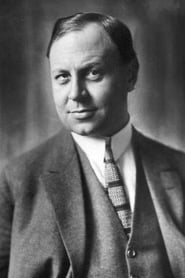
Emil Jannings
Himself (archive footage)

Baby Peggy
Baby Peggy
Herself
Baby Peggy
Herself
Heather Linville
Heather Linville
Herself - Film Preservationist: Academy Film Archive
Heather Linville
Herself - Film Preservationist: Academy Film Archive
Mike Mashon
Mike Mashon
Himself
Mike Mashon
Himself
Michael Pogorzelski
Michael Pogorzelski
Himself
Michael Pogorzelski
Himself
King Baggot
King Baggot
Himself (archive footage)
King Baggot
Himself (archive footage)
Theda Bara
Theda Bara
Herself (archive footage)
Theda Bara
Herself (archive footage)
Clara Bow
Clara Bow
Herself (archive footage)
Clara Bow
Herself (archive footage)
Louise Brooks
Louise Brooks
Herself (archive footage)
Louise Brooks
Herself (archive footage)
Lon Chaney
Lon Chaney
Himself (archive footage)
Lon Chaney
Himself (archive footage)
Betty Compson
Betty Compson
Herself (archive footage)
Betty Compson
Herself (archive footage)
Similar Movies
For the first 50 years of film history, the newsreel was a fixture in American movie theaters. From 1911 to 1967, these shorts proved an influential source of information – and misinformation – for generations of American moviegoers. Television news and public affairs programs became a great improvement over the scanty information offered by the newsreels. This documentary offers insight into a medium which has disappeared.
As Australian cinema broke through to international audiences in the 1970s through respected art house films like Peter Weir's "Picnic At Hanging Rock," a new underground of low-budget exploitation filmmakers were turning out considerably less highbrow fare. Documentary filmmaker Mark Hartley explores this unbridled era of sex and violence, complete with clips from some of the scene's most outrageous flicks and interviews with the renegade filmmakers themselves.
A portrait of the famous French actress Fanny Ardant, who has worked with great figures of cinema such as Agnès Varda, Alain Resnais, Michelangelo Antonioni, Sydney Pollack and, above all, François Truffaut (1932-84), with whom she had a sentimental relationship and whose death marked the rest of her life.
Born in Berlin in 1896, Lotte Eisner became famous for her passionate involvement in the world of both German and French cinema. In 1936, together with Henri Langlois, she founded the Cinémathèque Française with the goal of saving from destruction films, costumes, sets, posters, and other treasures of the 7th Art. A Jew exiled in Paris, she became a pillar of the capital's cultural scene, where she promoted German cinema.
« Emmanuelle » was released 50 years ago. Its main character, played by the young Sylvia Kristel, delve freely into her sexuality, without taboo. This bold movie became one of the great success of french cinema in the 70s, and Emmanuelle became the face of sexual liberation. Through the gaze of a woman, the character is back on the screen in 2024. This new Emmanuelle, written by Audrey Diwan, go in quest of a lost pleasure.
As Hong Kong's foremost filmmaker, Johnnie To himself becomes the protagonist of this painstaking documentary exploring him and his Boundless world of film. A film student from Beijing and avid Johnnie To fan, Ferris Lin boldly approached To with a proposal to document the master director for his graduation thesis. To agreed immediately and Lin's camera closely followed him for over two years, capturing the man behind the movies and the myths. The result is Boundless, a candid profile of one of Hong Kong's greatest directors and a heartfelt love letter to Hong Kong cinema.
Brought to life through archival material and the reflections of over 40 colleagues, friends and fans, BLOOD & FLESH is much more than the story of a moviemaking life most unusual. It beautifully captures the worlds of outsider filmmaker communities that existed in California in the ’70s, and the weird ways they intersected with Hollywood mainstream and union indies. On Adamson shoots, regular Orson Welles crew and cinematographers like Gary Graver, Vilmos Szigmond and Lazlo Kovaks worked alongside Bud Cardos — and at one point, Charles Manson! Director David Gregory (founder of Severin Films, director of LOST SOUL: THE DOOMED JOURNEY OF RICHARD STANLEY’S ISLAND OF DR. MOREAU) spent years making this film, speaking to everyone down to the cops who investigated Adamson’s murder, vividly encapsulating both a bold life and tragic demise, with alien conspiracies, go-go dancers and Colonel Sanders coming in along the way. If you’ve got even a passing interest in cinema, you want to see this