

Danube
Documentary · History
Overview
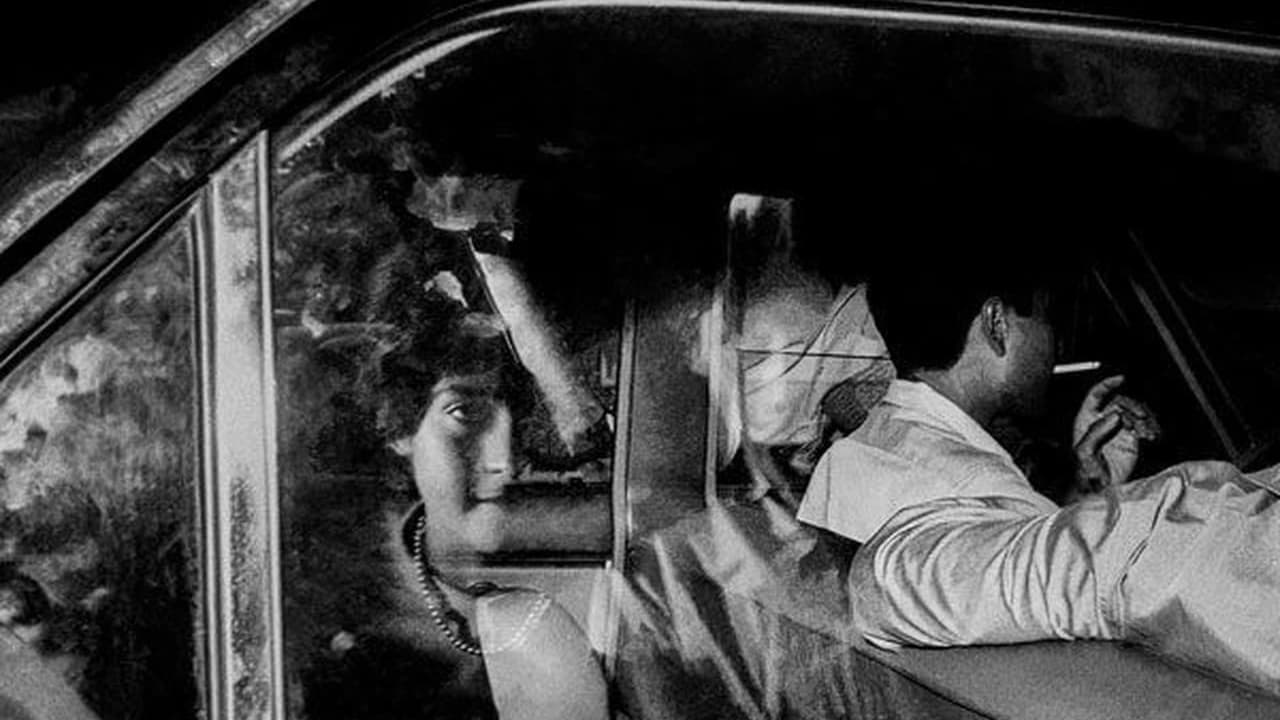
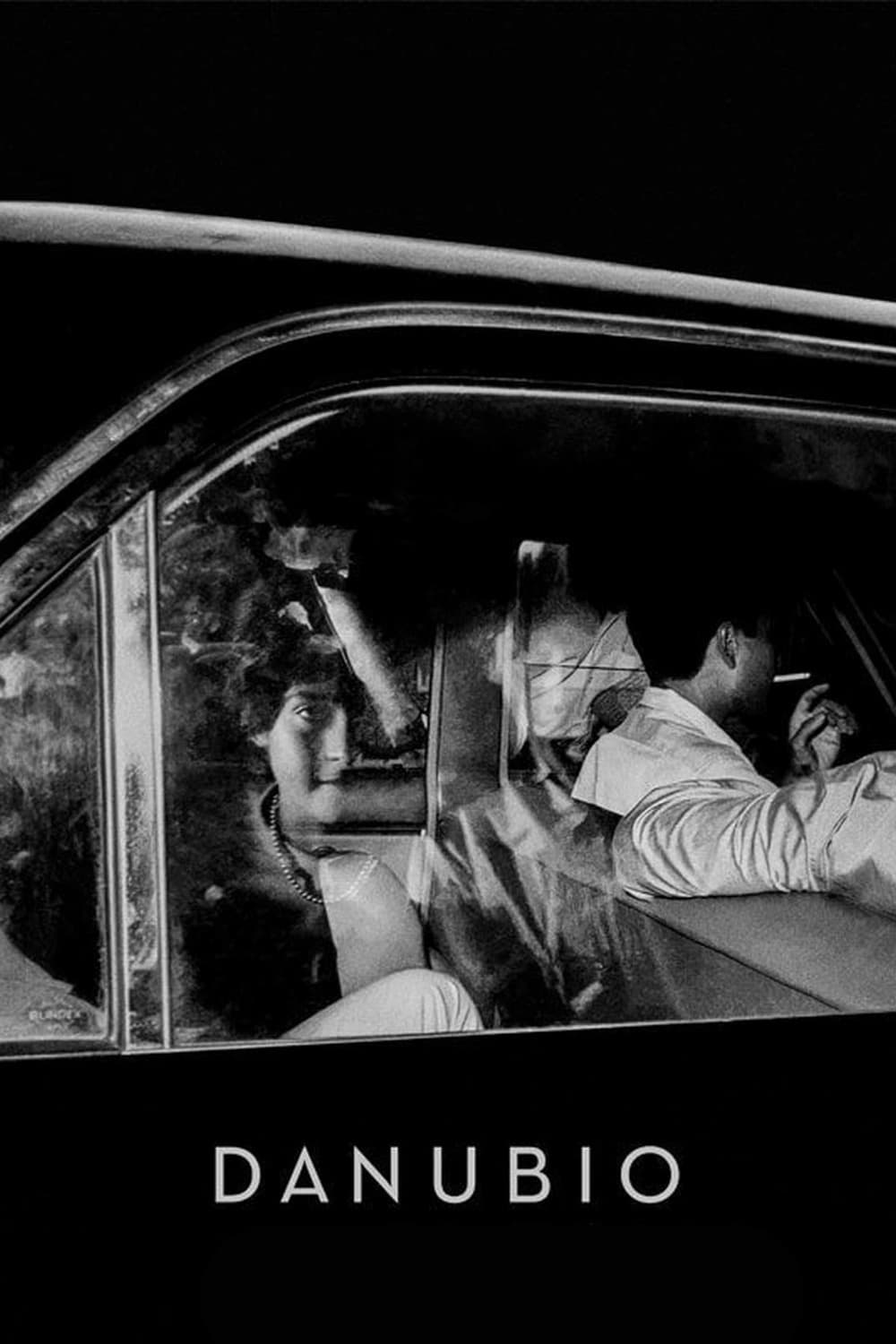
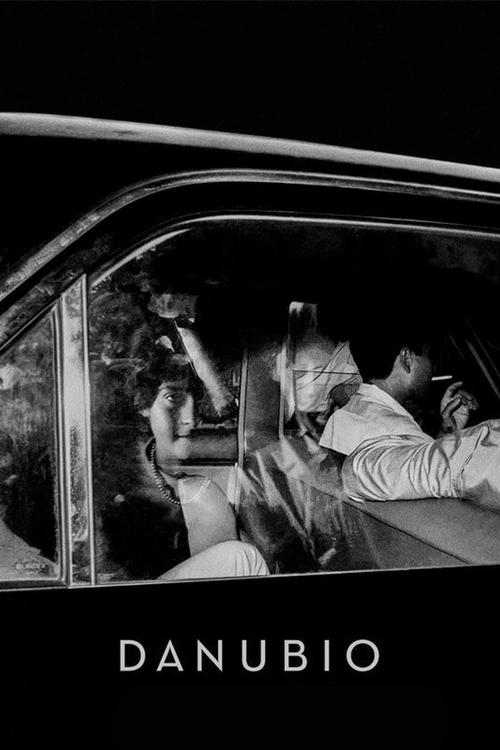
Argentina, 1968. In the midst of the Cold War, the dictatorship of Juan Carlos Onganía (1966-70) organizes the 9th Mar del Plata Film Festival in order to show the world its friendly face, while exercising censorship and repressing dissidence.



Nina Gilmizyanova
Nina Gilmizyanova
Narrator (voice)
Nina Gilmizyanova
Narrator (voice)
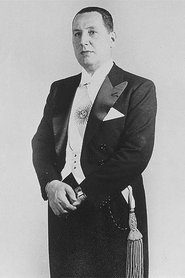
Juan Domingo Perón
Juan Domingo Perón
Self - Politician (archive footage)
Juan Domingo Perón
Self - Politician (archive footage)
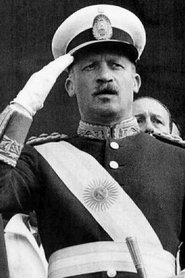
Juan Carlos Onganía
Juan Carlos Onganía
Self - Politician (archive footage)
Juan Carlos Onganía
Self - Politician (archive footage)

Isabel Sarli
Isabel Sarli
Self - Actress (voice) (archive footage)
Isabel Sarli
Self - Actress (voice) (archive footage)
Similar Movies
At a time when the far right is ascending to power around the world, the 2020 Brazilian municipal elections saw a surprising and unprecedented record of LGBT candidates. This film follows four young queer politicians during their electoral campaigns and reveals their struggle to affirm their rights to exist and be heard.
The greatness, fall and renaissance of Hammer, the flagship company of British popular cinema, mainly from 1955 to 1968. Tortured women and sadistic monsters populated oppressive scenarios in provocative productions that shocked censorship and disgusted critics but fascinated the public. Movies in which horror was shown in offensive colors: dreadful stories, told without prejudices, that offered fear, blood, sex and stunning performances.
Turkey's history has been shaped by two major political figures: Mustafa Kemal (1881-1934), known as Atatürk, the Father of the Turks, founder of the modern state, and the current president Recep Tayyıp Erdoğan, who apparently wants Turkey to regain the political and military pre-eminence it had as an empire under the Ottoman dynasty.
As Russia launches its full-scale invasion of Ukraine, primary schools across Russia’s hinterlands are transformed into recruitment stages for the war. Facing the ethical dilemma of working in a system defined by propaganda and violence, a brave teacher goes undercover to film what’s really happening in his own school.
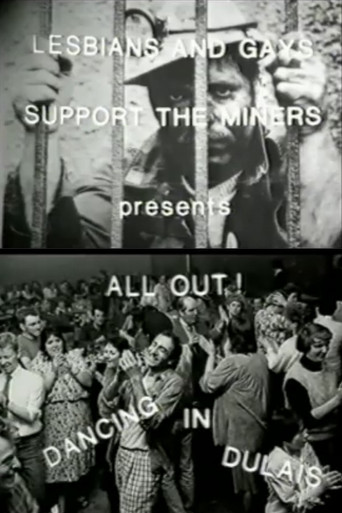
Dancing in Dulias was made by members of Lesbians and Gays Support the Miners (LGSM) and Lesbians Against Pit Closures during and immediate after the 1984/85 minders strike. Like the forthcoming movie, Pride, it documents the interactions between lesbians and gay men and the miners and their families in Dulais in South Wales - only this time it's the real thing. As well as some memorable footage that includes the Blaenant Lodge banner leading the 1985 Lesbian and Gay Pride march and LGSM members struggling with bingo at the local community hall, the film documents the wider political impact of this seemingly unlikely alliance. (cont. http://www.cambridgefilmfestival.org.uk/films/2014/dancing-in-dulais#sthash.HScQCj7E.dpuf)
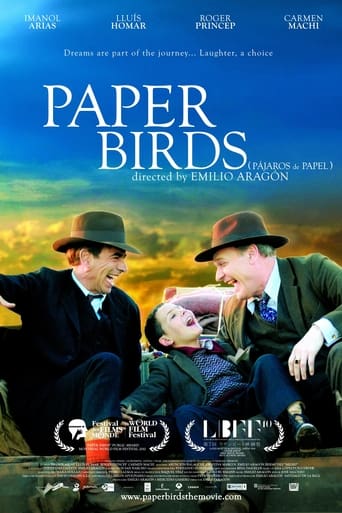
At the end of the Spanish Civil War, the members of a group of vaudeville performers have been stripped of everything: all they have left is hunger and the instinct to survive. Day after day, agonizingly, lost and helpless between the victors and the vanquished, the musician Jorge, the ventriloquist Enrique, the couplet singer Rocío and the orphan Miguel search tirelessly for something to eat and a safe place to live.
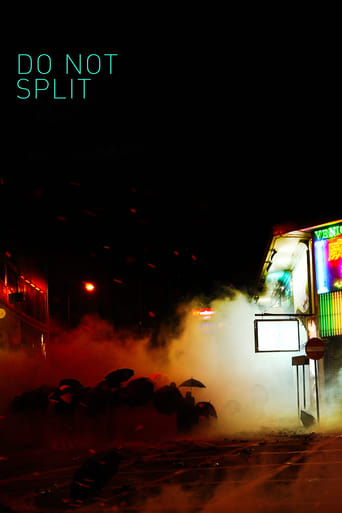
Throughout Hong Kong’s history, Hongkongers have fought for freedom and democracy but have yet to succeed. In 2019, a controversial extradition bill was introduced that would allow Hongkongers to be tried in mainland China. This decision spurred massive protests, riots, and resistance against heavy-handed Chinese rule over the City-State. Award-winning director Kiwi Chow documents the events to tell the story of the movement, with both a macro view of its historical context and footage and interviews from protestors on the front lines.