

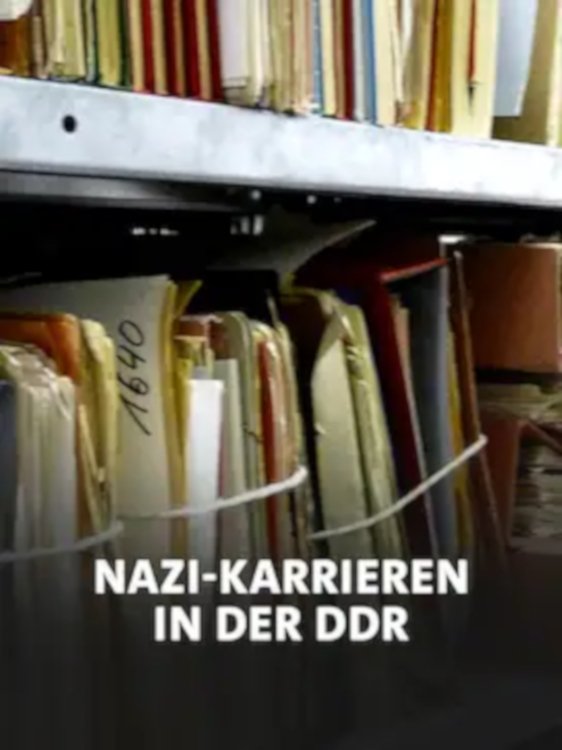
Nazi-Karrieren in der DDR?
Documentary
Overview
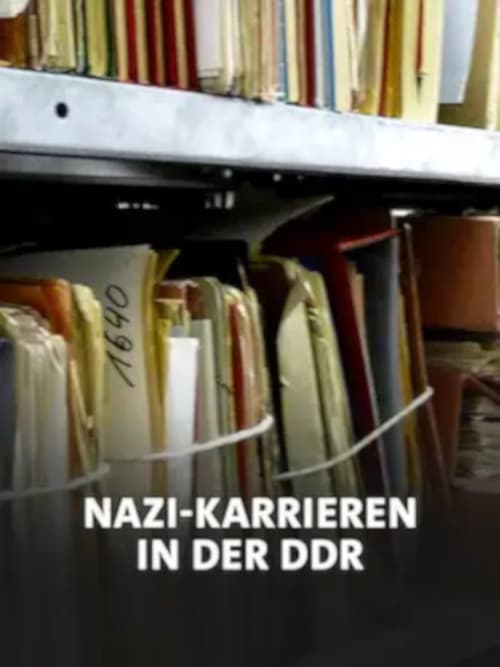
It was a foundational myth of the GDR that it was anti-fascist and free of Nazis. But was that really the case? The film takes a critical look on the actual way the brown heritage was dealt with in the GDR.
Top Cast


Thomas Dehler
Thomas Dehler
Narrator (voice)
Thomas Dehler
Narrator (voice)
Similar Movies

After the World War I, Mussolini's perspective on life is severely altered; once a willful socialist reformer, now obsessed with the idea of power, he founds the National Fascist Party in 1921 and assumes political power in 1922, becoming the Duce, dictator of Italy. His success encourages Hitler to take power in Germany in 1933, opening the dark road to World War II. (Originally released as a two-part miniseries. Includes colorized archival footage.)
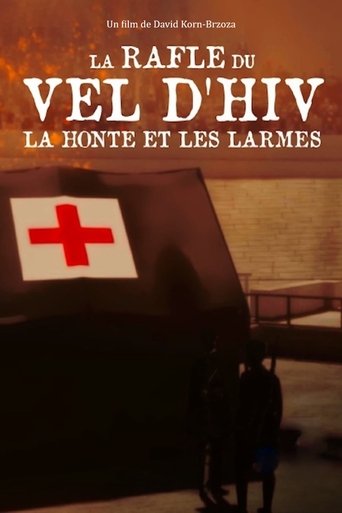
In 1942, more than 8,000 Jews were arrested on 16 and 17 July and sent to the Vélodrome d'Hiver sports center in the 15th district, a stone's throw from the Eiffel Tower, before being deported. The expression "Vel d'Hiv round-up" has become part of our collective memory, to the point of becoming the main memorial reference point for France during the dark years. Based on research carried out in unpublished or rarely explored archives, this film retraces the history of this roundup as experienced by hunted Jews and police trackers, from its planning in the Vichy offices to its hour-by-hour unfolding in the streets of Paris.
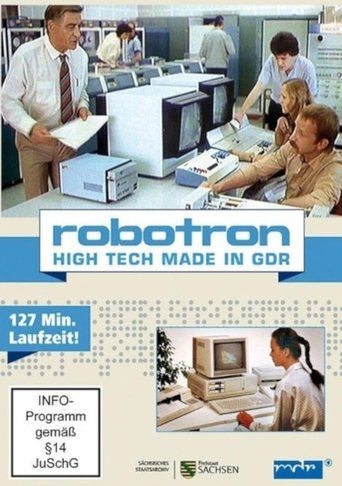
In a world divided by the Iron Curtain, East Germany sought to carve its niche in the technological race. Enter "Robotron" - a name that seamlessly blended "robot" and "electronics." This wasn't just a brand; it was an ambitious answer to the West's technological advancements, a testament to the GDR’s drive to match, if not surpass, Western innovation. Drawing inspiration from the corporate giants of the West, the GDR‘s government merged various businesses to form this tech behemoth. With 16 major hubs in Central Germany alone, it was clear: "Robotron" was to be the DDR's technological crown jewel. But what was the Socialist Unity Party (SED), the GDR's ruling party, envisioning with this grand venture? How did "Robotron" navigate the challenges of operating within a socialist planned economy, while striving for global excellence? And as it grew to dominate East Germany's tech landscape, why did it always seem to be one step behind the leading global tech powers?
Hitler's biography told like never before. Besides brief historical localizations by a narrator, only contemporaries and Hitler himself speak: no interviews, no reenactment, no illustrative graphics and no technical gadgets. The testimonies from diaries, letters, speeches and autobiographies are assembled with new, often unpublished archive material. Hitler's life and work are thus reflected in a unique way in interaction with the image of the society in the years 1889 to 1945.
This film undertakes a journey into the amazing parallel universe of East Berlin’s fashion designers and experts in the art of survival. For, in the midst of the constraints of life in the GDR, there existed a fantasy world where it was possible to dance to another tune, be individual and even provocative. The most important characteristic of this bohemian scene was one’s per- sonal style. But this certainly wasn’t something that could be bought off the peg in the GDR. In this parallel universe it was up to you to create your own individual image – with your own hands. This film tells the story of the desires, the passion and the dreams that were tried and tested, lived and performed in the shadow of the Berlin Wall.
Even high Nazi leaders like Joseph Goebbels and Hermann Göring were almost contemptuous of this party comrad, and yet he was one of the most influential figures in the Third Reich: Julius Streicher, publisher of the anti-Semitic weekly "Der Stürmer", responsible for the worst propaganda and infamous for his corrupt and violent regime as Gauleiter of Franconia. By the Allies he was considered a symbol of Nazi hatred of the Jews. In 1946 he was sentenced to death in Nuremberg and executed.
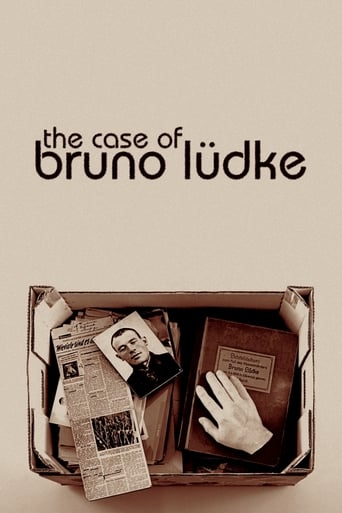
The incredible story of Bruno Lüdke (1908-44), the alleged worst mass murderer in German criminal history; or actually, a story of forged files and fake news that takes place during the darkest years of the Third Reich, when the principles of criminal justice, subjected to the yoke of a totalitarian system that is beginning to collapse, mean absolutely nothing.