


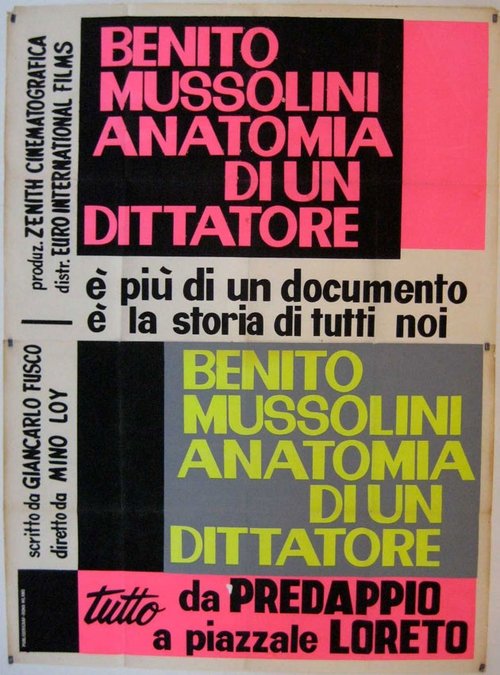
Benito Mussolini: Anatomy of a Dictator
Documentary · History · War
Top Cast
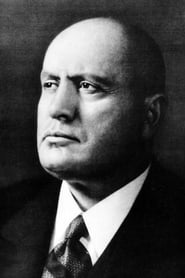
Benito Mussolini
Self (archive footage) (uncredited)
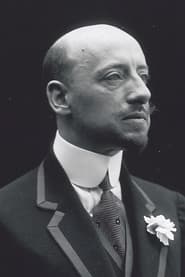
Gabriele D'Annunzio
Self (archive footage) (uncredited)
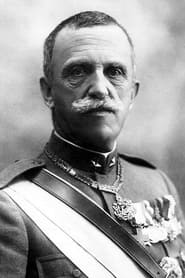
King Victor Emmanuel III of Italy
Self (archive footage) (uncredited)
Emilio De Bono
Self (archive footage) (uncredited)
Italo Balbo
Self (archive footage) (uncredited)
Cesare Maria De Vecchi
Self (archive footage) (uncredited)
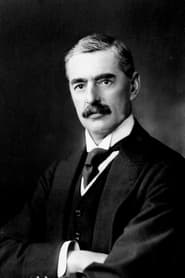
Neville Chamberlain
Self (archive footage) (uncredited)
Pietro Badoglio
Self (archive footage) (uncredited)
Antonio Gramsci
Self (archive footage) (uncredited)
Umberto Nobile
Self (archive footage) (uncredited)
Roald Amundsen
Self (archive footage) (uncredited)
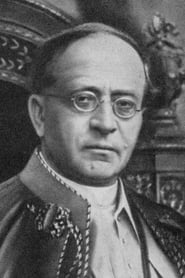
Pius XI.
Self (archive footage) (uncredited)

Benito Mussolini
Benito Mussolini
Self (archive footage) (uncredited)
Benito Mussolini
Self (archive footage) (uncredited)
Gabriele D'Annunzio
Gabriele D'Annunzio
Self (archive footage) (uncredited)
Gabriele D'Annunzio
Self (archive footage) (uncredited)
King Victor Emmanuel III of Italy
King Victor Emmanuel III of Italy
Self (archive footage) (uncredited)
King Victor Emmanuel III of Italy
Self (archive footage) (uncredited)
Emilio De Bono
Emilio De Bono
Self (archive footage) (uncredited)
Emilio De Bono
Self (archive footage) (uncredited)
Italo Balbo
Italo Balbo
Self (archive footage) (uncredited)
Italo Balbo
Self (archive footage) (uncredited)
Cesare Maria De Vecchi
Cesare Maria De Vecchi
Self (archive footage) (uncredited)
Cesare Maria De Vecchi
Self (archive footage) (uncredited)
Neville Chamberlain
Neville Chamberlain
Self (archive footage) (uncredited)
Neville Chamberlain
Self (archive footage) (uncredited)
Pietro Badoglio
Pietro Badoglio
Self (archive footage) (uncredited)
Pietro Badoglio
Self (archive footage) (uncredited)
Antonio Gramsci
Antonio Gramsci
Self (archive footage) (uncredited)
Antonio Gramsci
Self (archive footage) (uncredited)
Umberto Nobile
Umberto Nobile
Self (archive footage) (uncredited)
Umberto Nobile
Self (archive footage) (uncredited)
Similar Movies
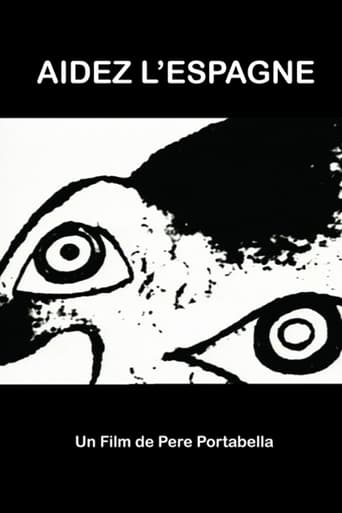
The Colegio de Arquitectos de Catalunya commissioned Pere Portabella to make this film for the Joan Miró retrospective exhibit in 1969. There were heated discussions on whether it would be prudent to screen the film during the exhibit. Portabella took the following stance: "either both films are screened or they don't screen any" and, finally, both Miro l'Altre and Aidez l'Espagne were shown. The film was made by combining newsreels and film material from the Spanish Civil War with prints by Miró from the series "Barcelona" (1939-1944). The film ends with the painter's "pochoir" known as Aidez l'Espagne.
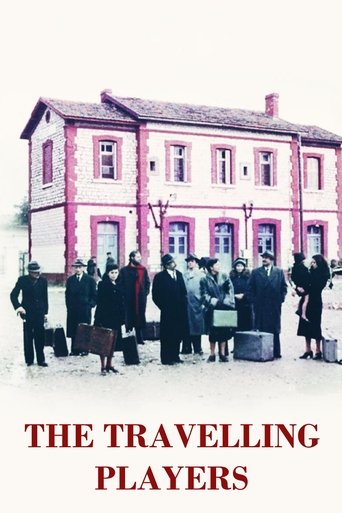
A traveling theatre troupe tours the Greek countryside from 1939 to the early 1950s, staging “Golfo the Shepherdess”. As the years pass, its members endure persecution, betrayal, executions, and exile. Their personal stories become entangled with the country’s major historical events, in a seemingly endless cycle of violence and loss.
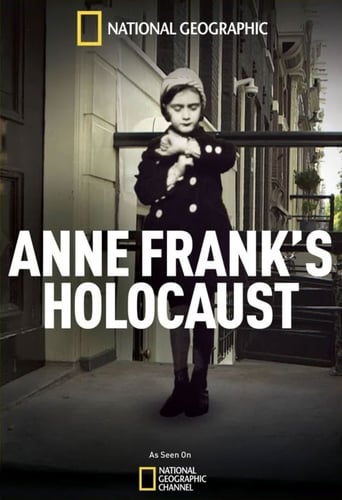
Anne Frank's world famous diary came to an abrupt end shortly before she and her family were discovered hiding from the Nazis in a secret annex at the top of Otto Frank's office building, on August 4, 1944. While her diary tells the story of Anne's life, the story of her death reveals the atrocities encountered by millions of Jews during the Holocaust. In a solemn remembrance of the horrors that Anne Frank and these millions of others suffered during the dark days of World War II, National Geographic Channel (NGC) takes viewers inside the concentration camps in a two-hour special. In keeping with NGC's tradition of unparalleled storytelling, Anne Frank's Holocaust incorporates new findings and rarely seen photographs to reintroduce the story of the massacre of Jews in one of the most comprehensive documentaries on the subject to date.