


Karel Pech
Karel Pech
Commentary (voice)
Karel Pech
Commentary (voice)
Similar Movies
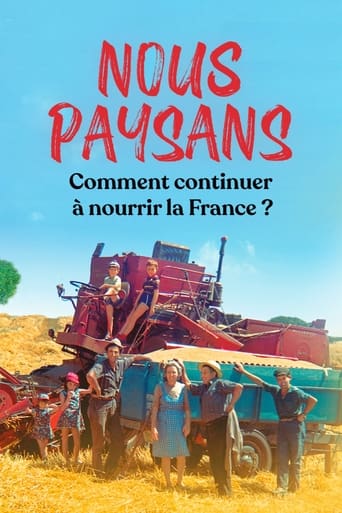
In barely a century, French peasants have seen their world profoundly turned upside down. While they once made up the vast majority of the country, today they are only a tiny minority and are faced with an immense challenge: to continue to feed France. From the figure of the simple tenant farmer described by Emile Guillaumin at the beginning of the 20th century to the heavy toll paid by peasants during the Great War, from the beginnings of mechanization in the inter-war period to the ambivalent figure of the peasant under the Occupation, From the unbridled race to industrialization in post-war France to the realization that it is now necessary to rethink the agricultural model and invent the agriculture of tomorrow, the film looks back at the long march of French peasants.
This short documentary illustrates rural French Canadian life in the early 1940s. The film follows Alexis Tremblay and his family through the busy autumn days as they bring in the harvest and help with bread baking and soap making. Winter sees the children revelling in outdoor sports while the women are busy with their weaving, and, with the coming of spring young and old alike repair to the fields once more to plough the earth in preparation for another season of varied crops. One of the first NFB films to be produced, directed, written and shot by women.
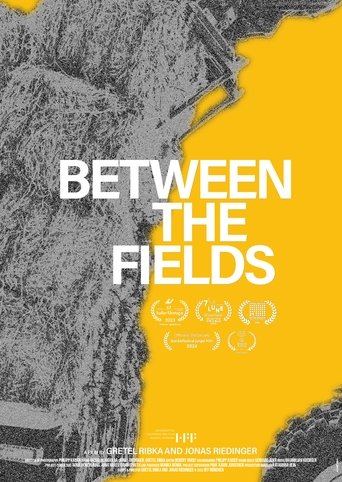
Anyone who sits in a tractor all day has a lot of time to think. Jürgen gave up fattening bulls when he took over the farm and set up a contracting business - where there used to be animals, there are now machines. The single father continues to work day in, day out, weighed down by economic constraints, social expectations and strokes of fate. He says: “Every dad in agriculture wants his son to carry on at some point.” But what if his son is ill?
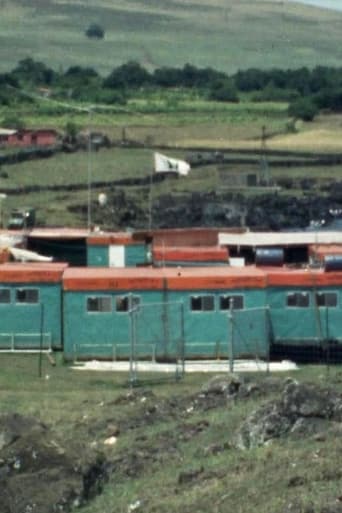
A film record of M.E.T.E.I. (Medical Expedition to Easter Island), one of the most unusual scientific enquiries ever launched, headed by a McGill University research team. While the film is concerned mainly with the physical condition of Easter Islanders, it also provides glimpses of island activities, a village wedding, and the famous long-faced stone sculptures.
This documentary takes a piercing investigative look at the economic, political and ecological implications of the worldwide disappearance of the honeybee. The film examines our current agricultural landscape and celebrates the ancient and sacred connection between man and the honeybee. The story highlights the positive changes that have resulted due to the tragic phenomenon known as "Colony Collapse Disorder." To empower the audience, the documentary provides viewers with tangible solutions they can apply to their everyday lives. Vanishing of the Bees unfolds as a dramatic tale of science and mystery, illuminating this extraordinary crisis and its greater meaning about the relationship between humankind and Mother Earth. The bees have a message - but will we listen?
A look at man's relationship with Dirt. Dirt has given us food, shelter, fuel, medicine, ceramics, flowers, cosmetics and color --everything needed for our survival. For most of the last ten thousand years we humans understood our intimate bond with dirt and the rest of nature. We took care of the soils that took care of us. But, over time, we lost that connection. We turned dirt into something "dirty." In doing so, we transform the skin of the earth into a hellish and dangerous landscape for all life on earth. A millennial shift in consciousness about the environment offers a beacon of hope - and practical solutions.
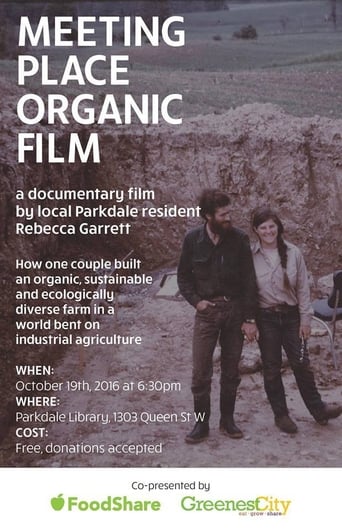
Local, organic, and sustainable are words we associate with food production today, but 40 years ago, when Fran and Tony McQuail started farming in Southwestern Ontario, they were barely spoken. Since 1973, the McQuails have been helping to build the organic farming community and support the next generation of organic farmers. This is a documentary about the McQuails that explores the very real ways their farm has contributed to the long term ecological viability of agriculture in Ontario. It is a call to action for all those who believe there is a better way to take care of our planet and feed the world.