

Alexis Tremblay: Habitant
Documentary
Overview
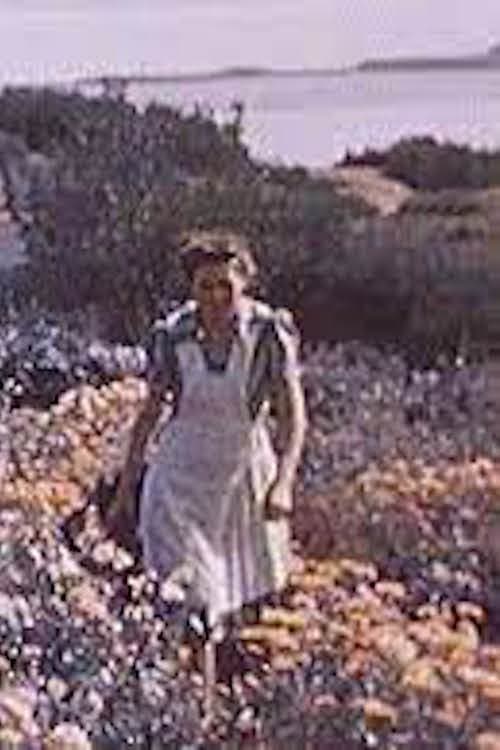
This short documentary illustrates rural French Canadian life in the early 1940s. The film follows Alexis Tremblay and his family through the busy autumn days as they bring in the harvest and help with bread baking and soap making. Winter sees the children revelling in outdoor sports while the women are busy with their weaving, and, with the coming of spring young and old alike repair to the fields once more to plough the earth in preparation for another season of varied crops. One of the first NFB films to be produced, directed, written and shot by women.
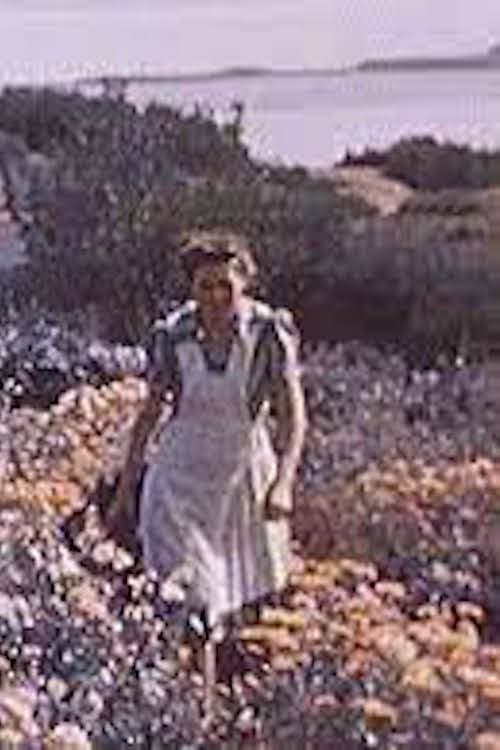
No cast information.
Similar Movies

Railroad of Hope consists of interviews and footage collected over three days by Ning Ying of migrant agricultural workers traveling from Sichuan in China's interior, to the Xinjiang Autonomous Region, China's northwest frontier.[1] Through informal interviews aboard the cramped rail cars, Ning Ying explores the hopes and dreams of the workers, many of whom have never left their homes before.

This documentary from Albert and David Maysles follows the bitter rivalry of four door-to-door salesmen working for the Mid-American Bible Company: Paul "The Badger" Brennan, Charles "The Gipper" McDevitt, James "The Rabbit" Baker and Raymond "The Bull" Martos. Times are tough for this hard-living quartet, who spend their days traveling through small-town America, trying their best to peddle gold-leaf Bibles to an apathetic crowd of lower-middle-class housewives and elderly couples.
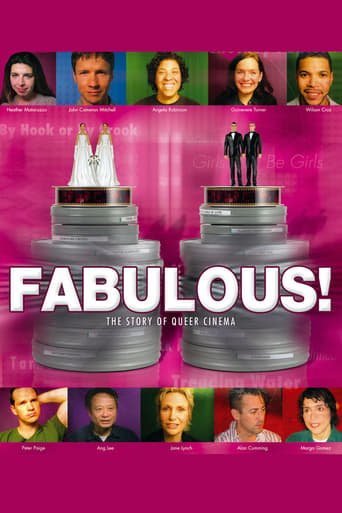
A chronological look at films by, for, or about gays and lesbians in the United States, from 1947 to 2005, Kenneth Anger's "Fireworks" to "Brokeback Mountain". Talking heads, anchored by critic and scholar B. Ruby Rich, are interspersed with an advancing timeline and with clips from two dozen films. The narrative groups the pictures around various firsts, movements, and triumphs: experimental films, indie films, sex on screen, outlaw culture and bad guys, lesbian lovers, films about AIDS and dying, emergence of romantic comedy, transgender films, films about diversity and various cultures, documentaries and then mainstream Hollywood drama. What might come next?
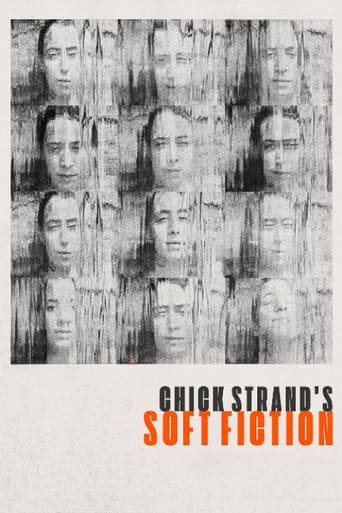
Chick Strand's SOFT FICTION is a personal documentary that brilliantly portrays the survival power of female sensuality. It combines the documentary approach with a sensuous lyrical expressionism. Strand focuses her camera on people talking about their own experience, capturing subtle nuances in facial expressions and gestures that are rarely seen in cinema. Preserved by the Academy Film Archive in partnership with The Film Foundation in 2015.
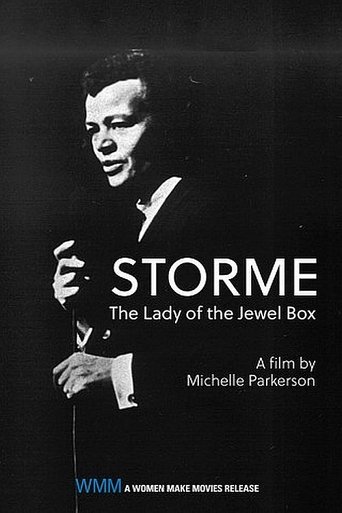
“It ain’t easy…being green” is the favorite expression of Stormé DeLarverie, a woman whose life flouted prescriptions of gender and race. During the 1950s and '60s she toured the black theater circuit as a mistress of ceremonies and the sole male impersonator of the legendary Jewel Box Revue, America’s first integrated female impersonation show and forerunner of La Cage aux Folles.
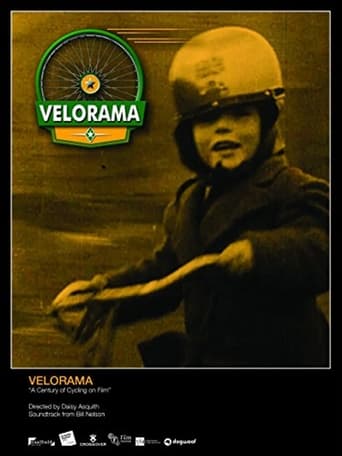
Documentary looking at a century of cycling. Commissioned to mark the arrival of the 2014 Tour de France in Yorkshire, the film makes full use of stunning British Film Institute footage to transport the audience on a journey from the invention of the modern bike, through the rise of recreational cycling, to gruelling competitive races. Award-winning director Daisy Asquith artfully combines the richly-diverse archive with a hypnotic soundtrack from cult composer Bill Nelson in a joyful, absorbing watch for both cycling and archive fans.
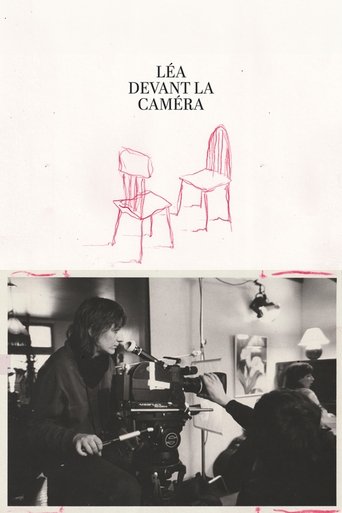
Revisiting her film set photos, director Léa Pool reflects on her prolific career. The filmmaker left Switzerland at the age of 25 to settle in Quebec and embark on a surprising career. She reinvents herself from film to film, exploring themes that deeply resonate with her: identity, exile, maternal absence, transitional spaces... In both documentary and fiction, she has directed 20 feature films that feature strong female characters and contemporary issues. Somewhere between a masterclass and an intimate conversation, this documentary invites Léa to share her cinematic journey in front of the camera.
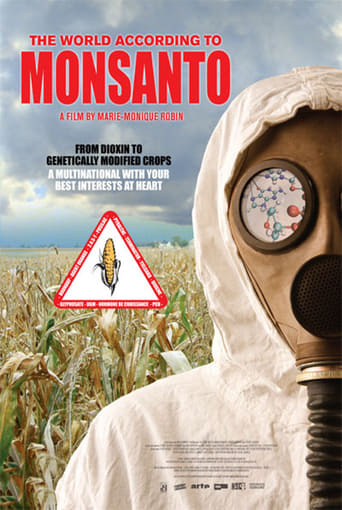
Monsanto is the world leader in genetically modified organisms (GMOs), as well as one of the most controversial corporations in industrial history. This century-old empire has created some of the most toxic products ever sold, including polychlorinated biphenyls (PCBs) and the herbicide Agent Orange. Based on a painstaking investigation, The World According to Monsanto puts together the pieces of the company’s history, calling on hitherto unpublished documents and numerous first-hand accounts.