

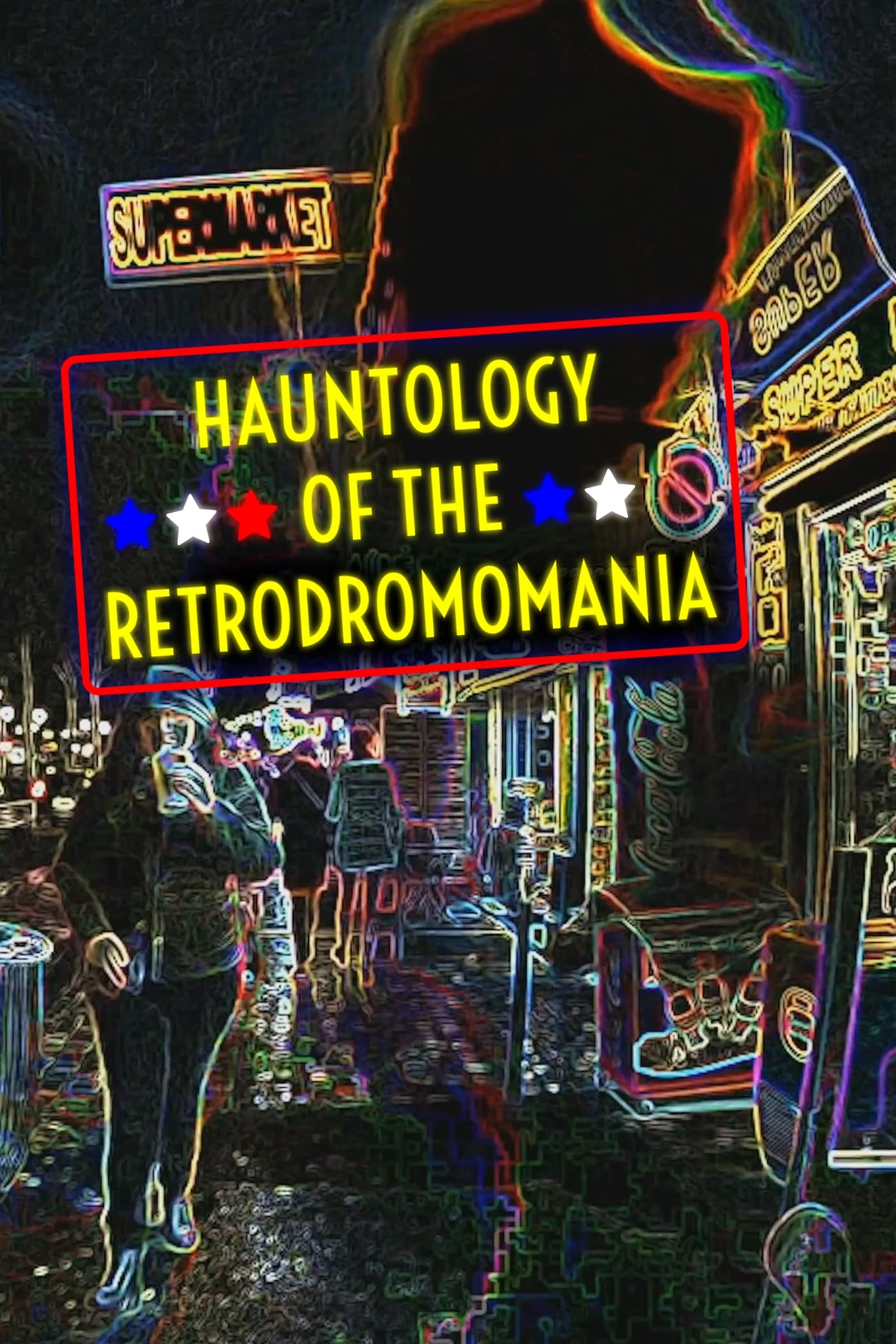
Hauntology of the Retrodromomania
Documentary
Overview
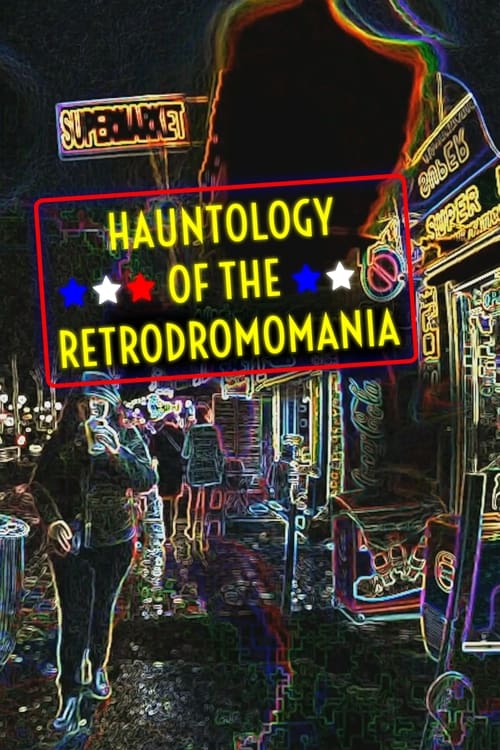
Hauntology of the Retrodromomania is an essayistic motion picture, a locomotory legwork, a deambulatory non-rural land survey, a casual journeying in a punctual dissertation around the phenomenon of the nostalgic feeling, discoursing on a late capitalistic landscape of social emotions, which are of yore, yet coloured of the postmodern tint of pixelated neo-noir, a socio-philosophical flâneur’s trip in critical theory escorted by the spirits of French post-structuralists. For a Sociology of Nostalgia revisited.
Top Cast





Wundersaar
Wundersaar
Flâneureuse
Wundersaar
Flâneureuse
Similar Movies
Through the experiences of two women in Paris and London, Ghost Dance offers an analysis of the complexity of our conceptions of ghosts, memory and the past. The film focuses on the French philosopher Jacques Derrida, who observes, 'I think cinema, when it's not boring, is the art of letting ghosts come back.' He also says that 'memory is the past that has never had the form of the present.'
A film in which the one 60-story skyscraper that soars in the spaces between roofs spins with incredible speed. I centered the circumference with its 400 or 500 meter radius on the skyscraper and divided it into 48 sections, then took photographs from those spots and shot the photographs frame by frame.
At age 25, Olivier Rousteing was named the creative director of the French luxury fashion house, Balmain. At the time, Rousteing was a relatively unknown designer, but in the decade since, he’s proven his business prowess and artistic instinct by leading Balmain to new heights. Wonderboy gives the viewer the rare opportunity to experience the inner sanctum of the fashion world, as we stand shoulder-to-shoulder with this extraordinary individual while he works.
The inner world of the great painter Max Ernst is the subject of this film. One of the principal founders of Surrealism, Max Ernst explores the nature of materials and the emotional significance of shapes to combine with his collages and netherworld canvases. The director and Ernst together use the film creatively as a medium to explain the artist's own development.
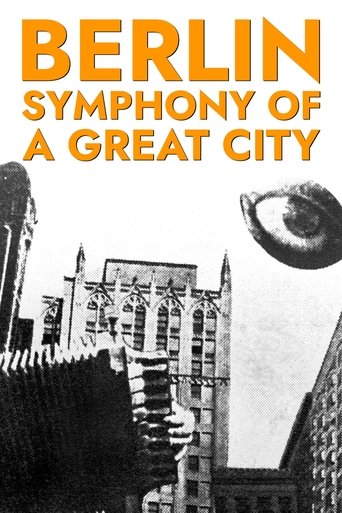
A day in the city of Berlin, which experienced an industrial boom in the 1920s, and still provides an insight into the living and working conditions at that time. Germany had just recovered a little from the worst consequences of the First World War, the great economic crisis was still a few years away and Hitler was not yet an issue at the time.
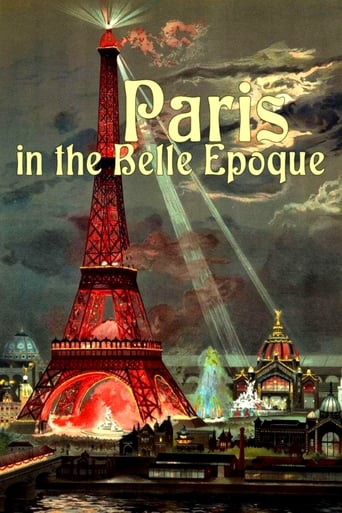
The Bokelberg photographic collection brings to life the Paris of the Belle Époque (1871-1914), an exhibition of workshops and stores with extremely beautiful shop windows before which the owners and their employees proudly pose, hiding behind their eyes the secret history of a great era.
In the heart of Paris, an entire palace has disappeared. It was the very first residence of the kings of France. Long before Versailles, long before the Louvre, the Palais de la Cité stood on the most prestigious island in Paris, the historic cradle of France, facing Notre-Dame. So majestic in the Middle Ages, this palace has become a ghost of history. Over the centuries, this architectural masterpiece has almost completely disappeared. A trio of experts will resurrect it in 3D. Using science and unprecedented excavations, they will track down the pieces of the puzzle to reconstruct it at its peak in the 14th century, and bring back to life those who inhabited it. From the Romans to the Vikings, from Saint Louis to the cursed kings, all have left clues of this 'Versailles of the Middle Ages'.
In this special documentary that inspired a two-season television series, scientists and other experts speculate about what the Earth, animal life, and plant life might be like if, suddenly, humanity no longer existed, as well as the effect humanity's disappearance might have on the artificial aspects of civilization.
An anthology of one-minute films created by 51 international filmmakers on the theme of the death of cinema. Intended as an ode to 35mm, the film was screened one time only on a purpose-built 20x12 meter public cinema screen in the Port of Tallinn, Estonia, on 22 December 2011. A special projector was constructed for the event which allowed the actual filmstrip to be burnt at the same time as the film was shown.