

Wealth of a Nation
Documentary
Overview
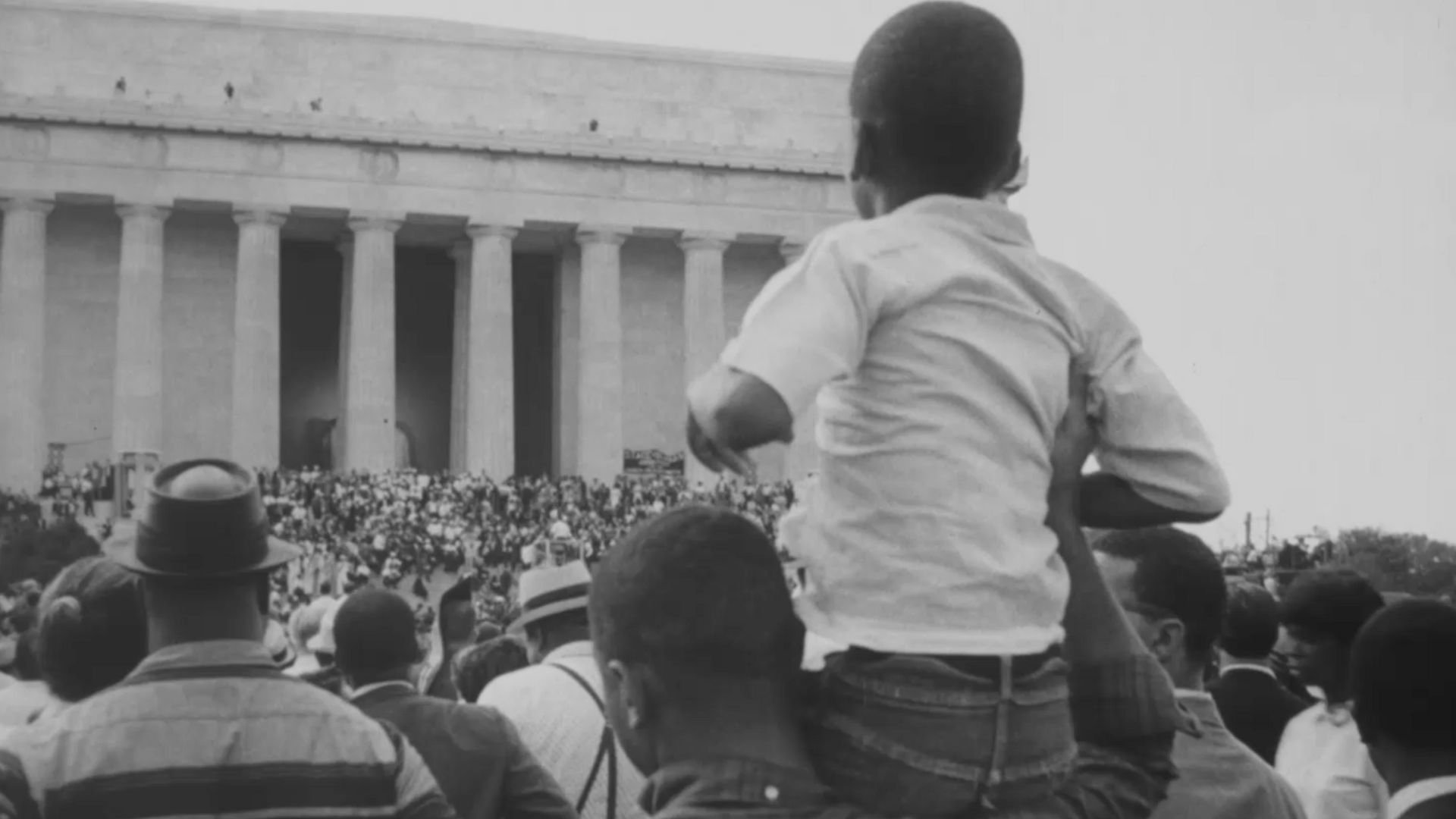
"This film explores how freedom of speech — including dissent — is afforded to all Americans, and shows freedom of expression in art, music, dance, architecture, and science. The film also emphasizes the importance of the individual’s contribution to the whole of society and demonstrates how a productive and creative society is formed by the open and respectful exchange of ideas. The film was written, produced, and directed by William Greaves" (National Archives).


Lee Bontecou
Lee Bontecou
Self
Lee Bontecou
Self
Bill Dixon
Bill Dixon
Self
Bill Dixon
Self
William Katavolos
William Katavolos
Self
William Katavolos
Self
Paolo Soleri
Paolo Soleri
Self
Paolo Soleri
Self
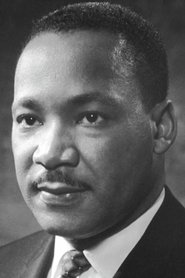
Martin Luther King Jr.
Martin Luther King Jr.
Self
Martin Luther King Jr.
Self
Similar Movies
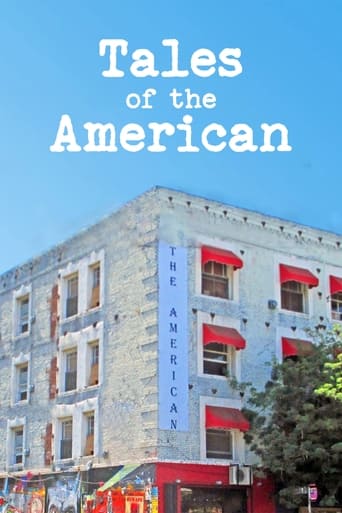
Seemayer Studios presents a new documentary about the American Hotel in downtown Los Angeles and the Arts District that surrounds it. Since 1979, the American Hotel has been the beating heart of a rich community of artists who began moving into the deserted factory buildings between Alameda and the Los Angeles River.
The Toronto Blue Jays — the defending champions — sleek, corporate, efficient — featuring an offensive arsenal that hit a collective 0.311 in the six-game series. The Philadelphia Phillies — a last-to-first success story — with their long hair, beards, and blue-collar work ethic — a softball team in pinstripes. This was a World Series that won't soon be forgotten. A six-game slugfest that sent pitchers scurrying to the showers. The heroes were named Dykstra, Molitor, Schilling and Alomar. The games were unforgettable. The sheer drama of Game Four — with its runs, hits, and duration — all records. The surgical precision of Curt Schilling's shutout in Game Five. And Joe Carter's incredible three-run blast to win Game Six — just the second time in history a home run has ended a World Series.
Famous and talented feature film director and scriptwriter Jan Kounen plunges the viewer into a unique and thrilling adventure of pregnancy, birth, and baby’s first swim, alongside marine creatures. Leina Sato is a Japanese professional free diver and is expecting her first child. Her partner, Jean-Marie Ghislain is a famous underwater photographer. They share a passion for the oceans, and believe that a strong bond between a mother-to-be and cetaceans exists. And they want to prove it. Leina will be multiplying her encounters with whales, dolphins and other underwater mammals. Mother Ocean is the incredible encounter between humans and under water species, around the universal question of giving birth and the power of creating life.
Meryl Streep conducts us to a trip to New York City as presented in many films during the 20th Century, and how its cultural importance and impact are important to viewers. With a comprehensive gathering of clips from films between 1910's and 1990's, the documentary presents the mandatory classic films that presented the city and its multiple cultural variations, situations and the great stories filmed there. Actors and directors also discuss how they view the city in reality and also through the pictures.
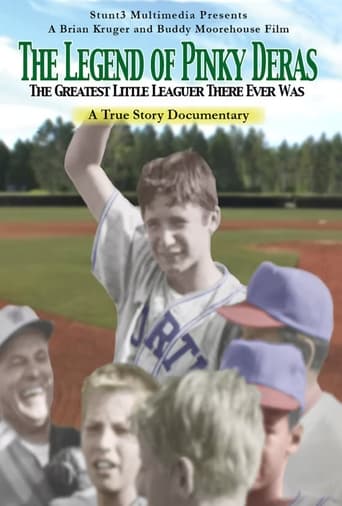
Since Little League Baseball was founded in 1939, about 40 million kids have played the sport. The list includes future Hall of Famers like Carl Yastrzemski, Tom Seaver and Nolan Ryan, and hundreds of other future Major Leaguers. But of all the kids who ever played Little League, the best of the best was a boy you’ve probably never heard of: Art “Pinky” Deras. In the summer of 1959, he led the team from Hamtramck, Mich., to the Little League World Series title, and in the process, he put together a Little League season the likes of which we might never see again. His amazing story comes to life in “The Legend of Pinky Deras: The Greatest Little-Leaguer There Ever Was,” a new film from Blue Hammer Films. Pinky received a ton of national publicity back in 1959, but then he fell off the map. In the half-century since he lit the Little League world on fire, there have been no films about him, no magazine stories, not even a single newspaper article.
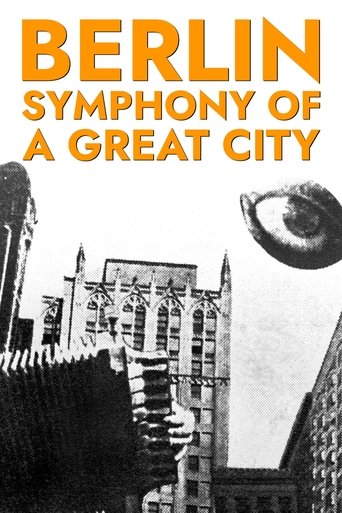
A day in the city of Berlin, which experienced an industrial boom in the 1920s, and still provides an insight into the living and working conditions at that time. Germany had just recovered a little from the worst consequences of the First World War, the great economic crisis was still a few years away and Hitler was not yet an issue at the time.
The best known, "Weegee's New York" (1948), presents a surprisingly lyrical view of the city without a hint of crime or murder. Already this film gives evidence, here very restrained, of Weegee's interest in technical tricks: blur, speeded up or slowed-down film, a lens that makes the city's streets curve as if cars are driving over a rainbow. - The New York Times