

Ely Kahn: New York City's Mastermind
Documentary
Overview
A look at the legendary architect Ely Jacques Kahn, designer of over 60 skyscrapers that helped create the iconic Manhattan skyline.



No cast information.
Similar Movies
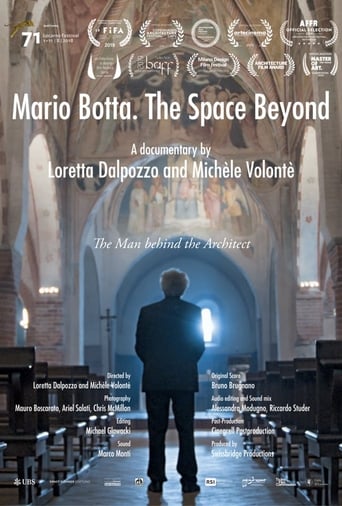
A rare, in-depth artistic journey into the work of internationally acclaimed Swiss architect Mario Botta. The film explores Botta's ever growing curiosity and reflections on the contractions of society through his sacred spaces, a subject very dear to him. Why does globalized society feel the urge to build such spaces? The directors traveled to China, South Korea, Israel, Italy, and Switzerland to discover a passionate and tireless artist, his buildings, and part of his creative process. Botta is one of the few architects who has built places of prayer for three main monotheistic religions. After building many churches, chapels, and synagogue, he is now working on a mosque in China. Through his thoughts and his interaction with artists, colleagues, clients, and family members, the viewers have a glimpse of the man behind the Architect.
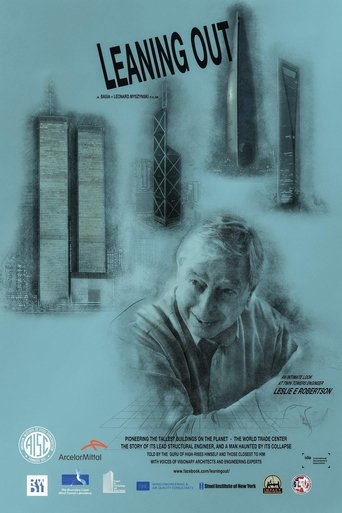
A man with a perspective like no other on the planet. The leading structural engineer of the World Trade Center oversees its construction, haunted by its fall ever since. A guru in high-rise design. Driven by his values as a pacifist and activist and the woman engineer who emboldened, expanded and ultimately saved the man she loved. About fulfillment, fragility, and a fighting spirit.
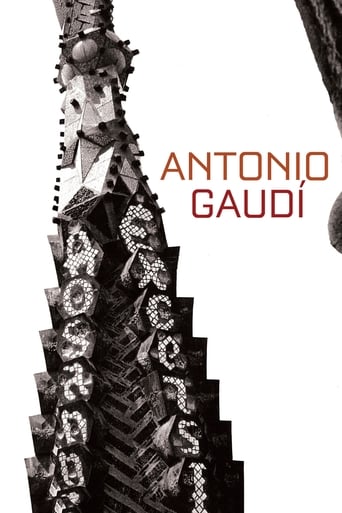
Catalan architect Antonio Gaudí (1852-1926) designed some of the world's most astonishing buildings, interiors, and parks; Japanese director Hiroshi Teshigahara constructed some of the most aesthetically audacious films ever made. With camera work as bold and sensual as the curves of his subject's organic structures, Teshigahara immortalizes Gaudí on film.

Behind the iconic Eiffel Tower lies the story of an incredible challenge to erect a thousand-foot tower that went far beyond a design competition, and marked a major turning point in engineering history. It was the beginning of radical transformation where iron was pitted against stone, engineering against architecture, and modern design against ancients. Press campaigns, lobbying, public conferences, denigration of opposing projects, bragging about big names - all participants engaged in a fierce battle without concession. Using 3D recreations, official sources (reports, letters, drawings...) and intimate archives obtained from their descendants, this film will bring to life this vertical race through a fresh and visual way to mark the centenary of Eiffel death.
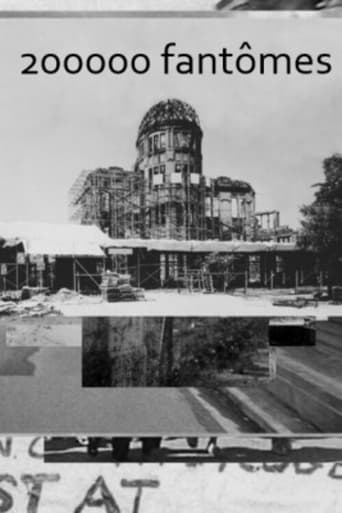
In 1914, the Czech architect Jan Letzel designed in the Japanese city of Hiroshima Center for the World Expo, which has turned into ruins after the atomic bombing in August 1945. “Atomic Dome” – all that remains of the destroyed palace of the exhibition – has become part of the Hiroshima memorial. In 2007, French sculptor, painter and film director Jean-Gabriel Périot assembled this cinematic collage from hundreds of multi-format, color and black and white photographs of different years’ of “Genbaku Dome”.
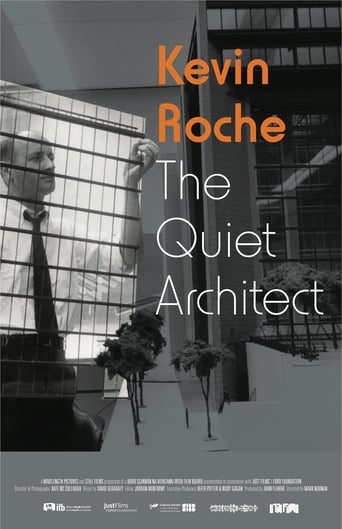
Kevin Roche: The Quiet Architect is a feature documentary film that considers many of the key architectural questions through the 70 year career of Pritzker Prize winning Irish-American architect Kevin Roche, including the relationship between architects and the public they serve. Still working at age 94, Kevin Roche is an enigma, a man with no interest in fame who refuses retirement and continually looks to the future regardless of age. Roche's architectural philosophy is that 'the responsibility of the modern architect is to create a community for a modern society' and has emphasised the importance for peoples well-being to bring nature into the buildings they inhabit. We consider the application of this philosophy in acclaimed buildings such as the Ford Foundation, Oakland Museum and at New York's Metropolitan Museum of Art for whom Kevin Roche was their principal architect for over 40 years.
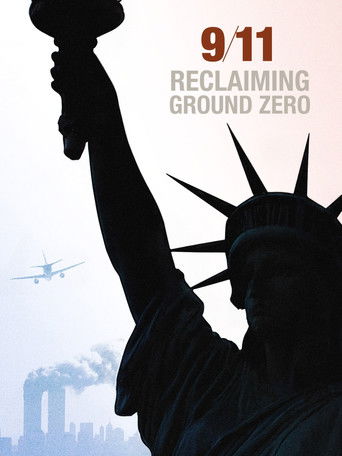
After the 9/11 attacks, after the smoke was gone, after the rubble cleared away, New Yorkers had a city to rebuild. In response to fast-tracked redevelopment plans, more than 5,000 people gathered in the largest town hall in American history. They came to vote on the city’s six proposals for rebuilding Ground Zero. But instead, the people rejected the top down approach and successfully charted a new path forward. Their work determined what is at Ground Zero today. And their story is an example of what democracy can look like.