

Aalto
Documentary
Overview
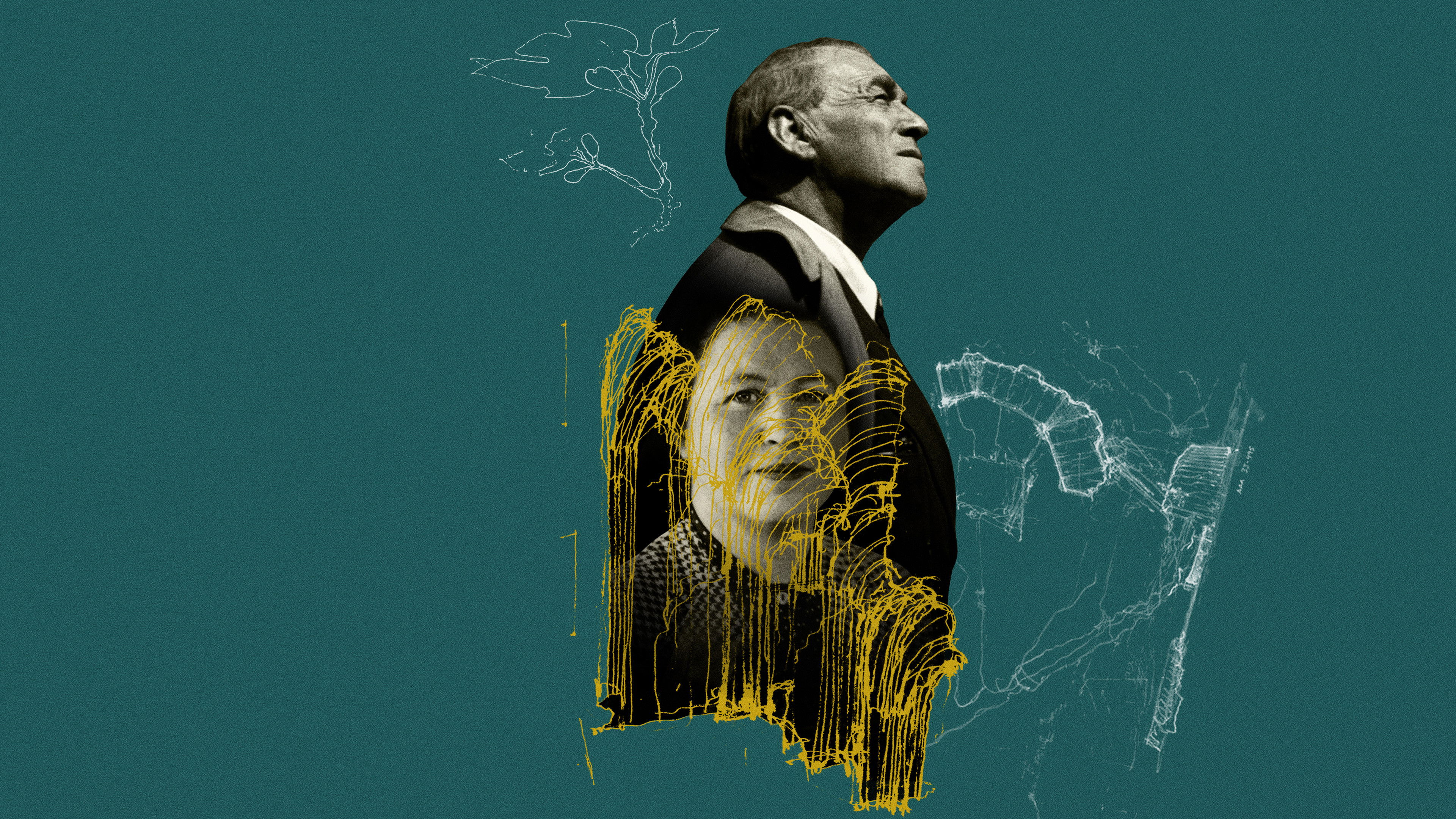
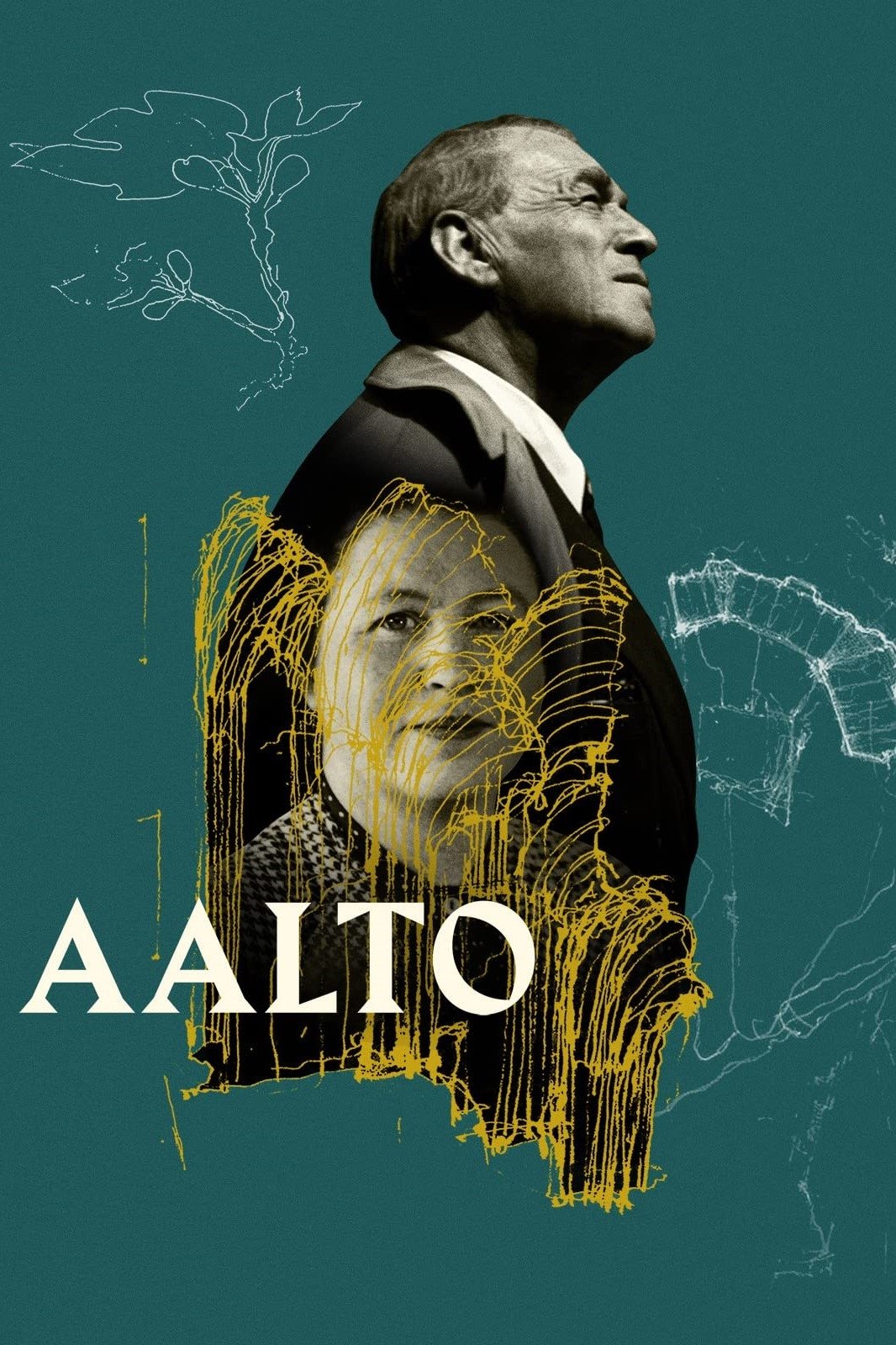
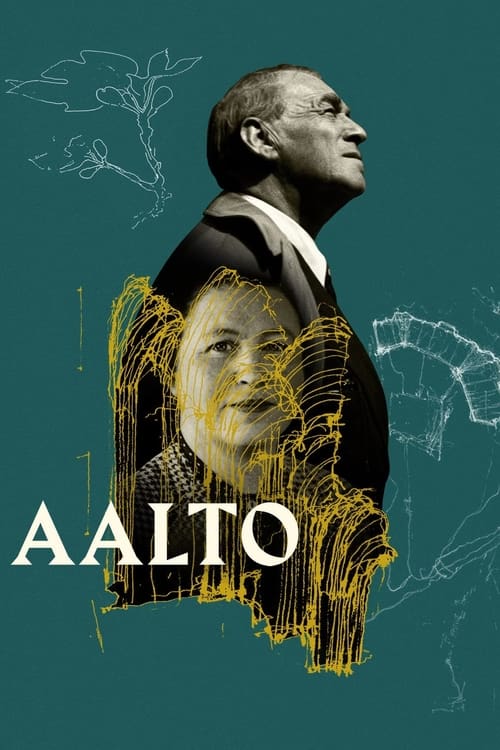
Aalto is one of the greatest names in modern architecture and design, Aino and Alvar Aalto gave their signature to iconic Scandic design. The first cinematic portrait of their life love story is an enchanting journey of their creations and influence around the world.




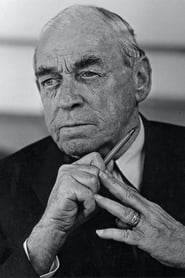
Alvar Aalto
Alvar Aalto
Himself (Archive footage)
Alvar Aalto
Himself (Archive footage)
Aino Aalto
Aino Aalto
Herself (Archive footage)
Aino Aalto
Herself (Archive footage)
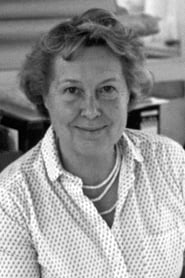
Elissa Aalto
Elissa Aalto
Herself (Archive footage)
Elissa Aalto
Herself (Archive footage)
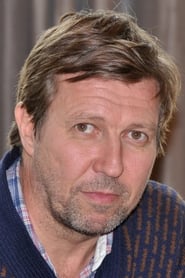
Martti Suosalo
Martti Suosalo
Alvar Aalto (voice)
Martti Suosalo
Alvar Aalto (voice)

Pirkko Hämäläinen
Pirkko Hämäläinen
Aino Aalto (voice)
Pirkko Hämäläinen
Aino Aalto (voice)
Similar Movies
The Spanish journalist Manuel Chaves Nogales (1897-1944) was always there where the news broke out: in the fratricidal Spain of 1936, in Bolshevik Russia, in Fascist Italy, in Nazi Germany, in occupied Paris or in the bombed London of World War II; because his job was to walk, see and tell stories, and thus fight against tyrants, at a time when it was necessary to take sides in order not to be left alone; but he, a man of integrity to the bitter end, never did so.
Harmonious, inspired by nature, moving, luminous... there is no shortage of words to describe La Chapelle Notre-Dame du Haut in Rochamp (France) and its curves. To create this Catholic place, at the beginning of the 1950s, Le Corbusier was inspired by the mosque of the Algerian Sahara of Sidi Brahim, by a crab shell for the shapes of the roof, and by the nearby Vosges valleys. .. Multiple influences for a building full of contradictions, a mixture of round and square lines, slender or squat depending on the angle of view, apparently vast from the outside, but small and intimate from the threshold crossed. Both a place of contemplation and major architectural innovation, the Chapelle de Ronchamp has been listed as a Historic Monument since 1965. Labeled “Heritage of the 20th century” in 1999, it entered the UNESCO World Heritage list in 2016 with 16 others works of Le Corbusier.
A Roma beggar on his knees raises many extreme emotions: guilt, rage, sympathy and frustration. Most people just walk on by, but there is always someone willing to help. In this film, the director follows the confrontations between the Roma beggars from Romania and Finnish people, and is forced to question, over and over again, her own ideas about helping.
Since the 1970s‚ Martin Parr has fearlessly held out his unique photographic mirror and given us some of the most extraordinary and unique visual clichés of modern times. Sometimes serious‚ often absurd but always playful‚ his insightful and often acrid commentary on consumer society has always been a subject of controversy and discussion.
For more than 40 years Kathryn Bigelow has been making films that explore male violence. With movies like Blue Steel, Point Break, The Hurt Locker and Zero Dark Thirty, the Oscar winning American filmmaker has impressed with hard-hitting moviemaking that holds a mirror up to contemporary America and the world.
The film arose from an encounter with Mario Botta during the 2013 Architecture and Memory exhibit held at the Charlotte, North Carolina Bechtler Museum of Modern Art which was designed by the architect. The exhibit gathered and then proposed to the public the Swiss architect’s most significant projects spanning the gamut from his first single-family homes, original expressions of the School of Ticino, to his large public buildings, libraries, theatres, museums, churches and synagogues which have been built across the globe and features more than 90 works. The film is a dialogue on the themes which characterize Mario Botta’s vision and practice: his relationship with history and the territory, the designing of collective spaces, encounters with the leading protagonists of the 20th century. The interview, conducted in Mario Botta’s studio in Mendrisio, is replete with photographic materials, designs and sketches which document his “spaces of memory”.
Barbra Streisand grew up in working class Brooklyn, dreaming of escape from her tough childhood. A stellar student, she resisted the pressure to go to college as her sights were firmly set on Broadway. She was determined to become an actress and landed her first role aged 16, but it was two years later, when she started to sing, that her career took off. Subverting stereotypes and breaking glass ceilings, this programme looks at her rise to stardom and the remarkable achievements of her early career.